GROWERBUDDY
Timing

When to Plant Broccoli: Seed, Transplant and Harvest Dates

Start seed 4 to 8 weeks before you set plants out, then count 60 to 75 days from transplant to head, or 50 to 90 by variety. Spring and fall meet different limits, and a late start is a decision about transplants, not seed.

Spring transplant
Maryland Extension sets plants out four weeks before the last spring frost; Iowa State's central-Iowa date is mid-April, and Clemson's South Carolina window starts in March.
Spring seed start
Sow indoors 4 to 8 weeks before the transplant date. Iowa State gives 4 to 5 weeks; Clemson gives 6 to 8 in spring.
Fall transplant
Count back from the first fall frost by the variety's days to harvest plus about 10 days. Iowa State's fall window runs late June to early August.
Harvest clock
Iowa State's guide gives 60 to 75 days from transplant, not sowing. Maryland Extension gives 55 to 65 days; Clemson 50 to 90 by variety.
Reviewed & verified by GrowerBuddy Editorial TeamLast updated: 2026-11-08• Sources
The year's two sowings

Spring at one end, autumn at the other

Both sowings meet the same two limits in the opposite order: the ground gates the start, and the harvest meets the end. Read the two cards down the same rows: what opens each one, what closes it, what it produces, and where you actually stand today.

The spring sowing

What you get A central head 60 to 75 days after transplant, then side shoots for several weeks if you keep the plant watered and fed.

What opens it

The transplant32°F frost, 10+ days at 35 to 50°F

Set out four weeks before the last spring frost in the mid-Atlantic, or at the date your extension gives, once the ground can be worked and the transplants are hardened.

A transplant set out earlier can sit in cold, wet ground. A run of 10 or more days at 35 to 50°F after growth starts can make it bolt, and a large plant is more likely to bolt than a young one.

What closes it

The head86°F day, 77°F night; 32°F frost

The head has to form before days reach 86°F and nights reach 77°F.

A late spring sowing meets heat at heading. The plant may make no head, or the head may open into yellow flowers before it is ready, and water does not fix it.

Where it lands

Spring is the reliable crop where summer is short and cool, and the riskier one where heat arrives early. Iowa State University Extension plants central Iowa in mid-April. Maryland Extension sets plants out four weeks before the last frost, and Clemson's South Carolina window runs from March 20 to April 30 in the Piedmont and March 1 to April 10 on the coast. Your own extension calendar is the authority, not a national month.

Your next move

Start seed 4 to 8 weeks before the date, harden for about a week, and set out young stocky plants. If the season is already hot, keep the plants for the fall sowing instead.
The fall sowing

What you get A fall head from mid-September to late October in central Iowa, and often a heavier crop than spring in the mid-Atlantic.

What opens it

The seed in the tray4 to 8 weeks to transplant

Sow 4 to 8 weeks before you want to set plants out, or direct-seed so the variety's days to harvest plus about 10 days fit before the first fall frost. Where August is still hot, wait for the heat to break.

Seed sown into hot soil or transplants set out too early can stall, and the weeks spent waiting come off the season the crop has left.

What closes it

The head86°F day, 77°F night; 32°F frost

The head has to form before the first fall frost. Light frosts may not end the crop, and the plant can keep growing after them.

A late fall sowing runs out of days. The plants stay leafy and the heads never fill, and October is not an open sowing window in the North.

Where it lands

Fall is the better crop in the mid-Atlantic and much of the South, where spring heats up too fast. Iowa State University Extension plants fall transplants from late June to early August. Maryland Extension direct-seeds in mid-July or sets transplants by the first week of August, and Clemson's South Carolina windows run from August 15 to September 15 in the Piedmont and September 1 to 30 on the coast. In the North the window is earlier and shorter, and the first frost is the date that ends it.

Your next move

Count back from the first fall frost. Take the variety's days to harvest, add about 10 days, then add the 4 to 8 weeks the seed needs. If the full sum runs past the frost, buying transplants removes the seed weeks; if even the transplant-to-harvest count does not fit, keep the bed for spring.

Start with these moves

  1. 1. Sow indoors 4 to 8 weeks before the transplant date; that lead is the first clock, and the published figures disagree by about four weeks.
  2. 2. Count to harvest from transplant: Iowa State's guide times 60 to 75 days after plants go out, and Illinois adds about 10 days for a fall crop.
  3. 3. Spring plants go out about four weeks before the last frost, or at your extension's date; fall plants are counted back from the first frost. October is not an open northern sowing window.
What each limit costs

Hardiness belongs to the stage, not to the plant

One plant, a different reading at every stage: a seed starting out, a seedling that takes a frost, and the harvest stage that a single hot or freezing week ends. Each figure names the publication behind it, because the hardiness figure a crop is usually given describes only one of these stages.

  1. The seed in the tray

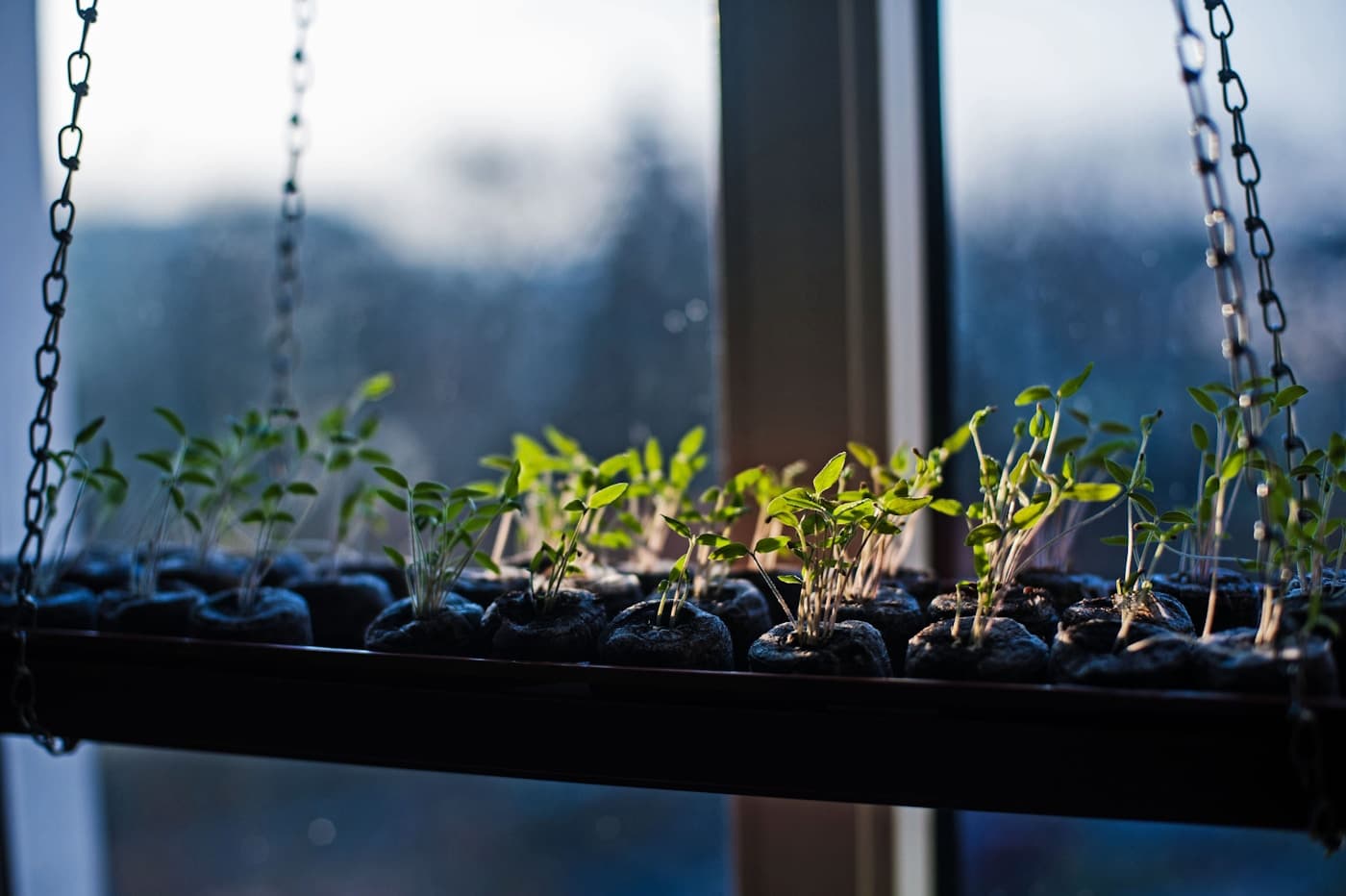
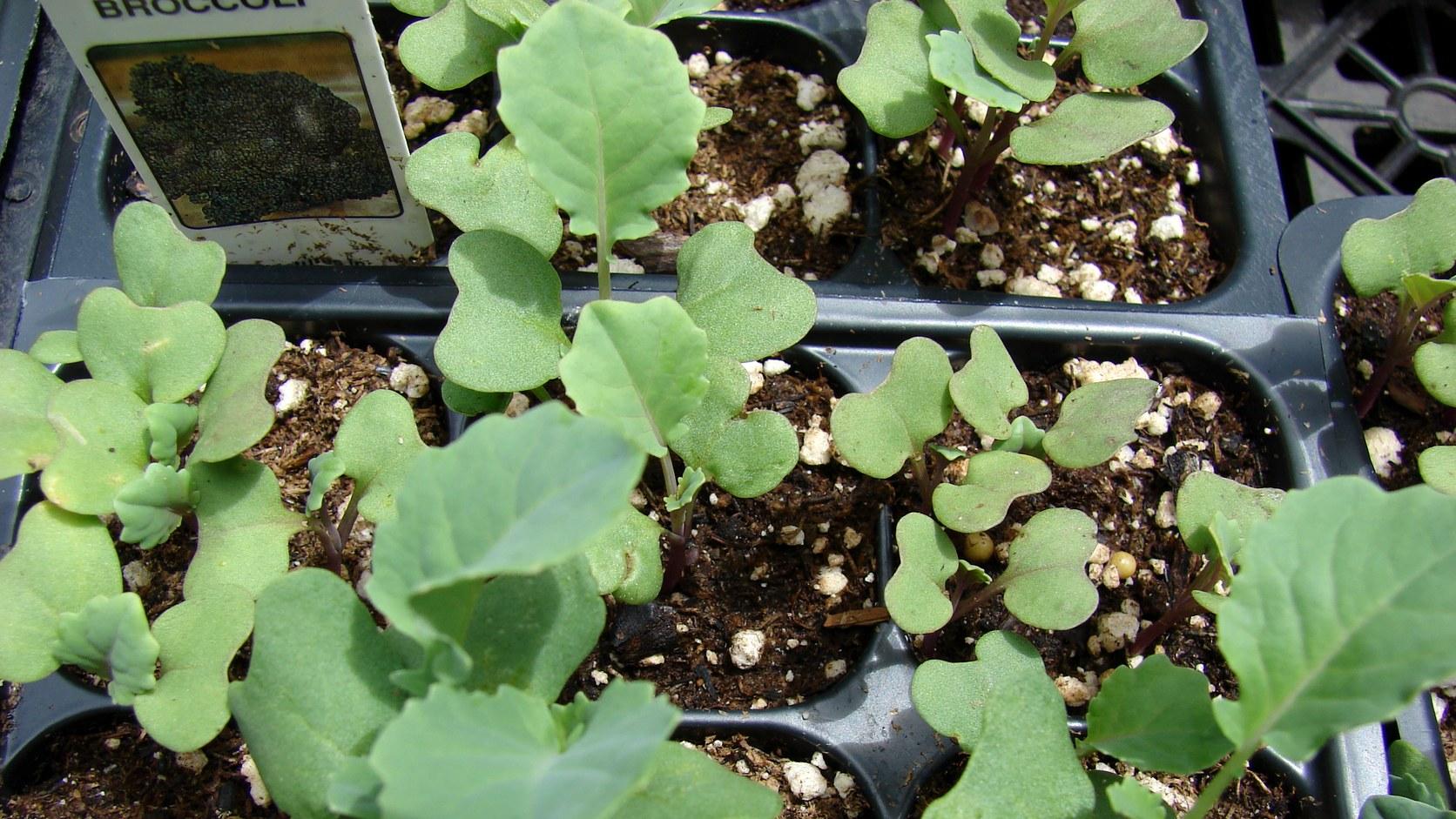
    A small green seedling in a cell, two seed leaves first, then a pair of true leaves. The root holds the mix by the time the plant is ready to move.

    The figure

    4 to 8 weeks to transplant

    Iowa State University Extension starts seed 4 to 5 weeks before planting outdoors. Maryland Extension gives 5 to 7 weeks for spring transplants and 4 to 6 for fall, and Clemson gives 6 to 8 weeks in spring and 5 to 6 in fall. Minnesota Extension says the seed germinates in about two weeks at ordinary summer temperatures, and it does not need bottom heat; the 4 to 8 weeks is the whole tray-to-garden lead, not the germination time.

    What the limit does

    A seed sown into cold mix or kept in a cold room germinates unevenly, and a seedling held too long in its cell becomes rootbound. A rootbound transplant is the plant most likely to button after it goes out.

    What you do

    Sow a quarter to a half inch deep in sterile mix, keep it moist but not soaked, and move the tray into bright light as soon as the first seedlings show. Skip the heat mat, because ordinary room warmth is enough.

  2. The hardening week

    Four or five true leaves on a plant that has spent a week going out in shade and coming in at night. The stem is thicker and the leaves no longer wilt after a day outside.

    The figure

    About a week

    Minnesota Extension says to expose the plants to more sunlight and wind over the next week. Iowa State University Extension and Maryland Extension both say to harden the transplants for several days before planting. The count starts when the seedlings are ready to move and ends when they stay out overnight.

    What the limit does

    A plant moved from a bright windowsill to full sun and wind in one step scorches or stalls. The hardening week is what makes the transplant date safe rather than a date the plant has to survive.

    What you do

    Start in shade, add an hour of sun a day, and bring the plants in at night. Keep them watered, and cover or bring them in for a forecast below freezing.

  3. The transplant

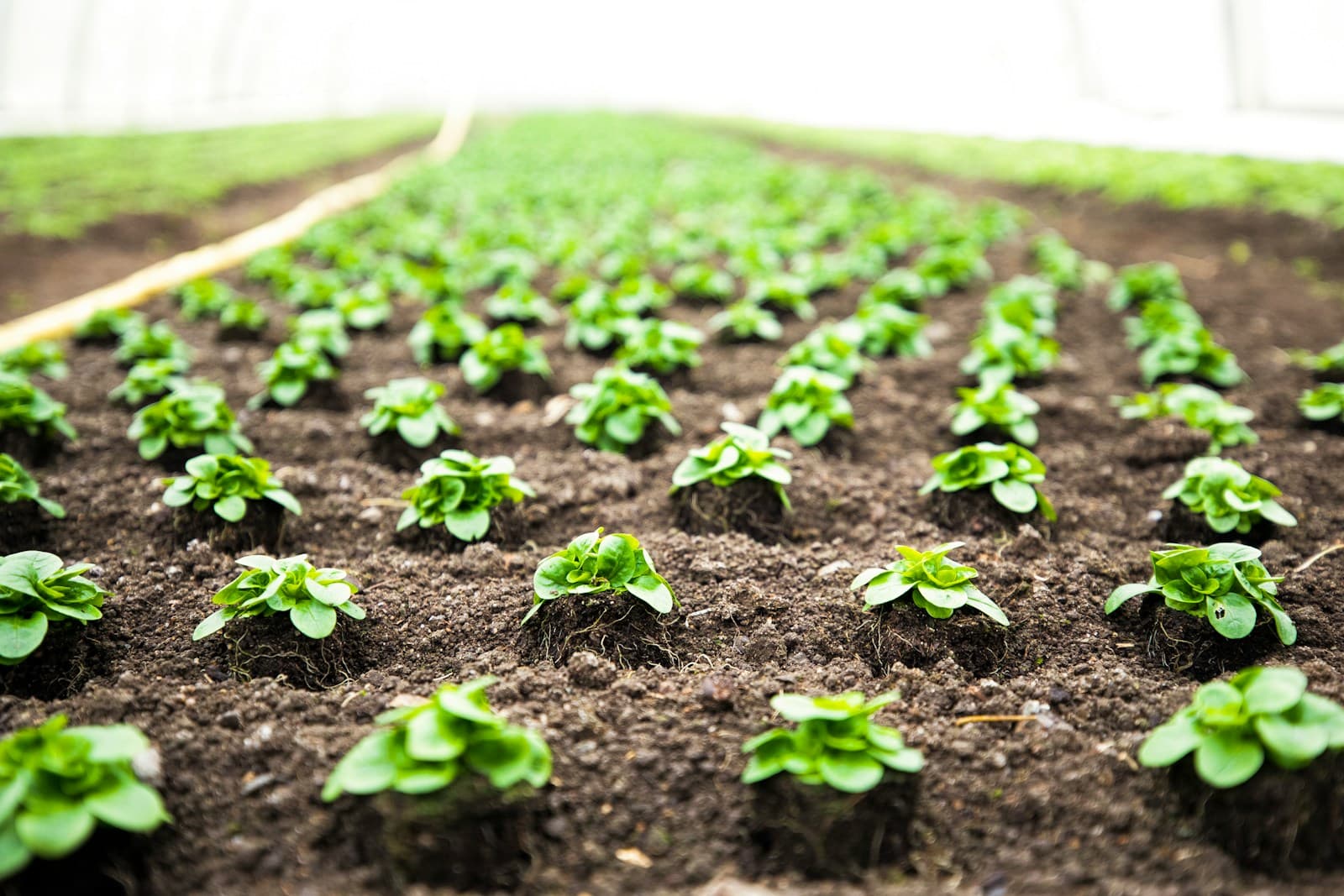
    Four or five true leaves, a short thick stem, and roots holding the mix together when you slide the plant out of its cell.

    The figure

    32°F frost, 10+ days at 35 to 50°F

    Clemson says to harden spring transplants but protect them from temperatures below freezing. Maryland Extension calls broccoli hardy enough for heavy frosts, and Minnesota Extension says it keeps growing after the first light frosts. Clemson also gives the cold run that makes a larger plant bolt: 10 or more consecutive days at 35 to 50°F after a stretch of growth.

    What the limit does

    A young transplant takes a light frost, but a long cold run can make it bolt or form a small button head. The larger the plant when the cold arrives, the higher the risk, which is why a big transplant is not the head start it looks like.

    What you do

    Harden the plants over about a week, set them out on a cloudy day or in the evening, and water them in. Keep a row cover or a bucket ready for a forecast below freezing.

The count

Count the days, not the weeks

The published intervals before a frost disagree because they are sums of different terms: days from sowing, days to the harvest, and the date the count runs back from. Use your own numbers and the sum is yours to run.

  1. Seed to transplant

    4 to 8 weeks

    What moves it The disagreement is real, and the start point is the same. A 4-week start makes a small transplant and a longer start makes a larger one, and a plant held past that can button. Use the lead your own extension gives, then count back from the date you can actually plant.

    Where the figure comes from Iowa State University Extension gives 4 to 5 weeks from sowing to planting outdoors. Maryland Extension gives 5 to 7 weeks for spring transplants and 4 to 6 for fall. Clemson gives 6 to 8 weeks in spring and 5 to 6 in fall. The clock starts at sowing and stops on the day the plant goes into the garden.

  2. Transplant to harvest

    60 to 75 days

    What moves it A seed packet may count days to maturity from sowing, which is why the same variety can look two to four weeks slower on a packet than in an extension table. The spread between the extension figures is mostly variety and season: Clemson's 50 to 90 covers early and late types, Maryland's 55 to 65 is a mid-season figure with fall taking longer, and Iowa State's 60 to 75 sits inside that range. For a fall crop, Illinois Extension adds about 10 days to the days-to-harvest figure before counting back from the first frost.

    Where the figure comes from Iowa State University Extension times 60 to 75 days from transplant to harvest. Maryland Extension gives 55 to 65 days and says a fall crop takes longer. Clemson gives 50 to 90 days by variety, and Minnesota Extension gives 50 to 85. The count starts at transplant, not at sowing.

  3. The date the count runs to

    First 86°F week or first fall frost

    What moves it Spring is counted forward to the first hot week. Fall is counted backward from the first frost. They are not the same deadline, and a date that fits one season does not fit the other. A light frost may not end a fall crop, but the count is against the first frost.

    Where the figure comes from Iowa State University Extension and Minnesota Extension give 86°F during the day and 77°F at night as the heat that can stop heads. Maryland Extension and Clemson count the fall crop back from the first fall frost, and Illinois Extension adds about 10 days to the days-to-harvest figure before counting back.

Two clocks, and only one starts at sowing

The date on a broccoli packet is usually days to maturity, and the number can start at sowing or at transplant. Extension guides mostly count from transplant. Iowa State University Extension times 60 to 75 days from transplant to harvest, Maryland Extension gives 55 to 65 days and says fall takes longer, and Clemson gives 50 to 90 days by variety. None of those numbers include the 4 to 8 weeks the seed spends in the tray.

That is why two gardeners can follow the same packet and plant a month apart. The first clock is the seed-to-transplant lead: Iowa State gives 4 to 5 weeks, Maryland gives 5 to 7 in spring and 4 to 6 in fall, and Clemson gives 6 to 8 in spring and 5 to 6 in fall. The second clock is transplant to harvest. Count both, or the season will look longer than it is.

  • The seed clock starts at sowing and ends at transplant.
  • The harvest clock starts at transplant and ends at the head.
  • A packet that counts from sowing is not wrong. It is answering a different question.
ClockCounts fromCounts toPublished figures
Seed to transplantSowing dayThe day plants go out4 to 5 weeks, Iowa State; 5 to 7 spring and 4 to 6 fall, Maryland; 6 to 8 spring and 5 to 6 fall, Clemson
Transplant to harvestThe day plants go outThe head60 to 75 days, Iowa State; 55 to 65 and longer in fall, Maryland; 50 to 90 by variety, Clemson; 50 to 85, Minnesota
Season deadlineThe headThe first 86°F week or the first fall frostCount forward to heat in spring; count backward from frost in fall. Illinois adds about 10 days.

How to set the spring date

Spring planting is a bet against the last frost and a race against the first hot week. Iowa State University Extension plants central Iowa in mid-April, with southern Iowa a week earlier and northern counties a week later. Maryland Extension sets plants out four weeks before the last frost. Clemson's South Carolina windows run from March 20 to April 30 in the Piedmont and March 1 to April 10 on the coast. Maryland Extension's four-week lead is the mid-Atlantic rule, and Iowa State's mid-April date is the Iowa one. Your local extension calendar names your week.

The plant can take a light frost, but a long cold run is a different event. Clemson gives 10 or more consecutive days at 35 to 50°F after a stretch of growth as the condition that makes a large plant bolt, and the larger the plant, the higher the risk. A transplant held in a cold frame or set out into cold, wet ground can also button, which is a small head that never becomes a crop. Wait for ground you can work, harden the plants, and keep a cover for a forecast below freezing.

  • Set out young, stocky transplants with four or five true leaves.
  • Harden for about a week before planting.
  • A big transplant is not a head start. A rootbound one buttons more often.
  • Keep a row cover for a freezing night, but do not expect it to fix a cold week.

How to count the fall crop backward

Fall is counted from the other end. Take the variety's days to harvest, add about 10 days, and count back from the first fall frost, which is the method Illinois Extension gives. Then add the 4 to 8 weeks the seed needs in the tray. A direct sowing skips the tray but still needs the seed-to-transplant time, which Illinois says is not included in the days-to-harvest figure.

The fall window is earlier than many gardeners expect. Iowa State University Extension plants fall transplants from late June to early August. Maryland Extension direct-seeds in mid-July or sets transplants by the first week of August. Minnesota Extension starts fall seed in early to late July. Clemson's South Carolina windows run from August 15 to September 15 in the Piedmont and September 1 to 30 on the coast. October is not an open northern sowing window, because by then the count runs past the frost.

  • Count back from the first fall frost, not forward from an August sowing.
  • Add about 10 days to the variety's days-to-harvest figure for fall.
  • Add the seed-to-transplant lead unless you are buying transplants.
  • Where August is still hot, wait for the heat to break before sowing.

Why fall often beats spring, and where it does not

Maryland Extension says fall broccoli often produces higher yields than spring plantings in the mid-Atlantic. Clemson says the crop is best grown in South Carolina during the fall season, and that spring temperature swings can give uneven heads and loose clusters. The reason is the direction of the season: a fall plant does its leafy growth in summer warmth and forms its head as the nights cool, while a spring plant has to finish before the heat arrives.

The rule does not travel everywhere. Minnesota Extension says gardeners in the far northeastern part of the state can grow broccoli all summer, because summer is not hot there. In a short season, spring is the crop that fits, and a fall sowing may not have the days. In the South, spring is the riskier season and fall is the main one. The plant is the same; the season it can finish in is not.

  • Fall is the stronger crop in the mid-Atlantic and much of the South.
  • Spring is the stronger crop in short, cool seasons.
  • In far northern Minnesota, summer is cool enough to grow through.
  • A national month cannot decide this. Your frost dates and your summer heat do.

What the numbers measure

The 86°F and 77°F figures are air temperatures, read in the shade, not soil readings. Iowa State University Extension and Minnesota Extension give them as the heat that can stop a head forming. The 32°F figure is the freezing point at the leaf. Clemson's 35 to 50°F run is also air temperature, and it is the long cold stretch that makes a large plant bolt.

Soil temperature is not the trigger for a spring transplant. The plant goes out as a hardened seedling, and the limits it meets are air heat, air cold, and frost. A fall direct sowing is different, because the seed is in the ground and warm soil helps it start. That is why the two seasons are counted from different ends and why a single soil reading cannot answer both.

The geography matters as much as the measurement. The Iowa dates are for Iowa, the Maryland dates for the mid-Atlantic, the Clemson dates for South Carolina, and the Minnesota dates for Minnesota. A date from one of those states is a starting point in another, not a rule. These dates are for heading broccoli, the type that forms a central head. Sprouting broccoli and raab run on a different calendar.

  • 86°F day and 77°F night are air temperatures.
  • 32°F is the freezing point at the leaf.
  • 35 to 50°F for 10 or more days is the cold run that can bolt a large plant.
  • Soil warmth matters for a fall direct sowing, not for a hardened spring transplant.
Broccoli rule

When the count is short, buy plants rather than seed

A transplant has already spent the 4 to 8 weeks a seed needs. If the days left before heat or frost cover the variety's days from transplant, buying plants can still finish; if they do not, wait for the other season. Starting seed needs the 4 to 8 week lead on top, so it is the choice for a gardener who is early, not late.

Count the seed lead and the harvest lead separately, because a packet may quote only one of them.

Maturity starts at transplant on extension guides. A packet that counts from sowing will look slower.

A fall crop is counted back from the first frost, not forward from an August sowing.

Open the calendar

The planting calendar reads your local forecast and soil temperature. Open it when you are ready to turn a date into a planting day.

FAQ

Quick answers before you head back outside

These are the questions that usually come up once the guide turns into real garden work.

When do I start broccoli seeds indoors?

Sow 4 to 8 weeks before the transplant date. Iowa State University Extension gives 4 to 5 weeks, Maryland Extension gives 5 to 7 in spring and 4 to 6 in fall, and Clemson gives 6 to 8 in spring and 5 to 6 in fall. Sow a quarter to a half inch deep, keep the mix moist, and skip bottom heat. Minnesota Extension says the seed germinates in about two weeks at ordinary room warmth.

When do I transplant broccoli?

In spring, Maryland Extension sets plants out four weeks before the last frost, once the ground can be worked; Iowa State's central-Iowa date is mid-April, and Clemson's South Carolina spring windows run from March 20 to April 30 in the Piedmont and March 1 to April 10 on the coast. In fall, count back from the first frost by the variety's days to harvest plus about 10 days. Use your own extension calendar for the week.

Is it too late to plant broccoli?

Count the days left before the hot weeks or the first frost. If they cover the variety's days from transplant, buy transplants; if they do not, wait for the other season. Starting seed needs the 4 to 8 week lead on top, so it is the choice for a gardener who is early, not late.

How long does broccoli take to grow?

Count from transplant. Iowa State University Extension gives 60 to 75 days, Maryland Extension gives 55 to 65 and longer in fall, Clemson gives 50 to 90 by variety, and Minnesota Extension gives 50 to 85. Add the 4 to 8 weeks the seed spends in the tray, and about 10 extra days for a fall crop.

Can broccoli survive frost?

A hardened plant takes light frosts. Maryland Extension calls broccoli hardy enough for heavy frosts, and Minnesota Extension says it keeps growing after the first light frosts. Young transplants are the weak point, and Clemson says to protect them from temperatures below freezing. The first hard freeze is the end of the reliable window, and a long cold run can make a large plant bolt.

Why did my broccoli form tiny heads?

That is buttoning. Iowa State University Extension names prolonged temperatures below 50°F, dry conditions, infertile soil, and large rootbound transplants as the causes. Illinois Extension adds that seedlings held too long in the flat are the usual source. A buttoned plant does not make a usable head. Pull it and replant with a young transplant if the window still has 60 to 75 days, or wait for the next season.

Why did my broccoli not form a head?

Heat is the usual cause. Iowa State University Extension and Minnesota Extension give 86°F during the day and 77°F at night as the point where a head may not form. A late spring planting meets that heat at heading. If the weather cools, the plant may still make a head. Where spring heats early, the fall sowing is the better bet.

Can I plant broccoli in October?

Not in the North. The fall crop is counted back from the first frost, and October is too late for the 60 to 75 days a head needs. Where winters are mild, the local extension calendar is the authority, and a national October date is not a rule.