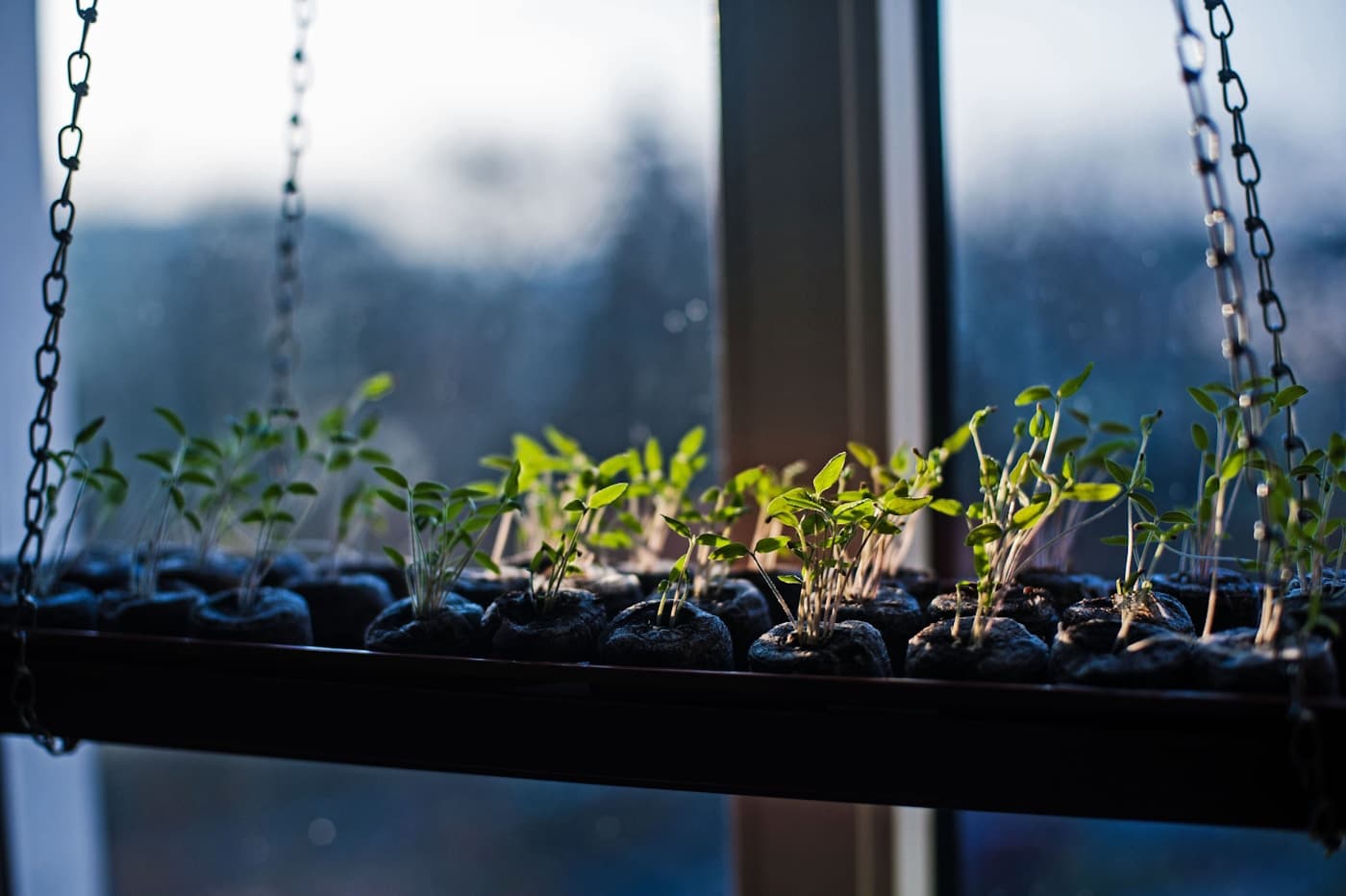
Hardening off is controlled exposure, not just putting seedlings outside and hoping they adapt.
Sun and wind usually damage seedlings faster than cool temperatures alone.
The schedule should flex with weather rather than forcing a rigid number of hours each day.
Why hardening off matters
Indoor seedlings grow in a protected environment with limited wind, filtered light, and stable temperatures. Outdoors, even a mild spring day can hit them with brighter sun, stronger evaporation, and fluctuating air temperatures that the leaves and stems have never handled.
Without hardening off, seedlings often wilt, bleach, scorch, or stall right after transplanting. The goal is not to make them suffer. It is to let them adapt gradually so they can keep growing once they move outside full time.
- Seedlings raised indoors need time to adjust to sun intensity and airflow.
- Hardening off reduces transplant shock and helps preserve early growth.
- Skipping the process usually costs more time than it saves.
How to start the process
Begin with short sessions in bright shade or filtered light, ideally in a sheltered spot protected from strong wind. The first outings are about exposure, not endurance. If the seedling leaves start to droop or bleach, the move was too aggressive.
Increase time outdoors and light intensity gradually over several days. The exact pace depends on weather. Calm mild days allow faster progress than hot sun, dry wind, or sudden cold.
- Start with one to two hours in protected bright shade.
- Add direct sun slowly, usually after the seedlings handle shade exposure well.
- Pull back if weather turns harsher than expected.
What the schedule should look like in real life
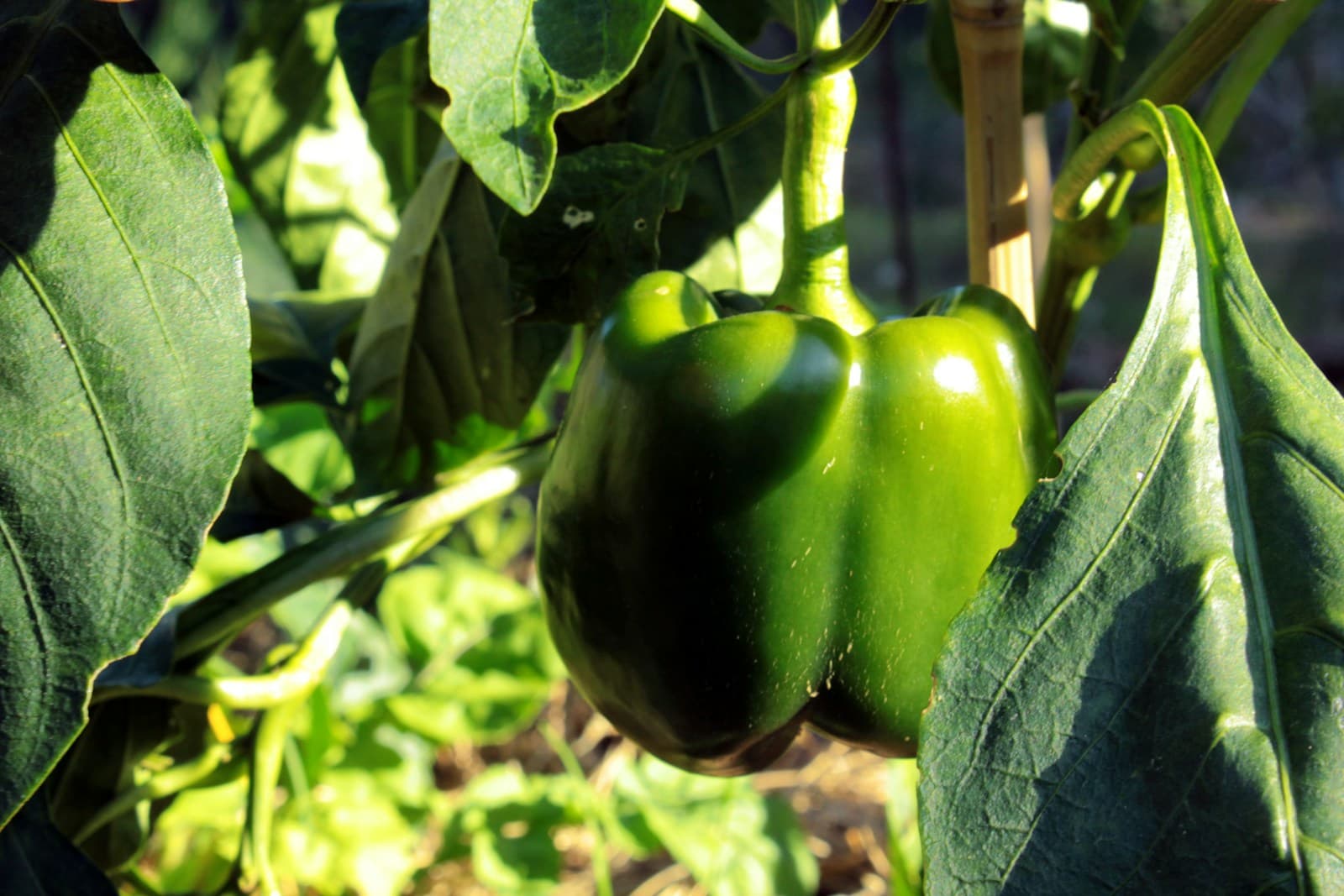
Most gardeners do well with a 7- to 10-day progression, but the sequence matters more than the exact number. Increase both time and intensity in steps: more outdoor hours, then more sun, then more exposure to normal garden conditions. Warm-season crops like tomatoes and peppers may need extra caution if nights are still cool.
Bringing seedlings back inside or into shelter at night is normal during hardening off. The point is to choose the stress the plants can handle and remove them before conditions cross the line.
- Increase exposure based on how the seedlings respond, not by calendar alone.
- Keep warm-season crops protected from rough cold nights until transplant time is truly close.
- Use overcast days to your advantage because they are gentler transition days.
Watering and handling during hardening off
Seedlings often dry faster outside because wind and stronger light increase water loss. That does not mean you should keep them constantly soaked. It means you need to check them more often and water before they reach hard wilt.
Handle flats and trays carefully. Moving seedlings repeatedly can damage stems and disturb roots if they are packed too tightly or left top-heavy. This is another reason strong trays and moderate seedling size help.
- Check moisture more often because outdoor exposure changes the drying rate.
- Water thoroughly but do not leave trays waterlogged.
- Move trays gently and keep them level during the transition.
When a seedling is ready for the final move
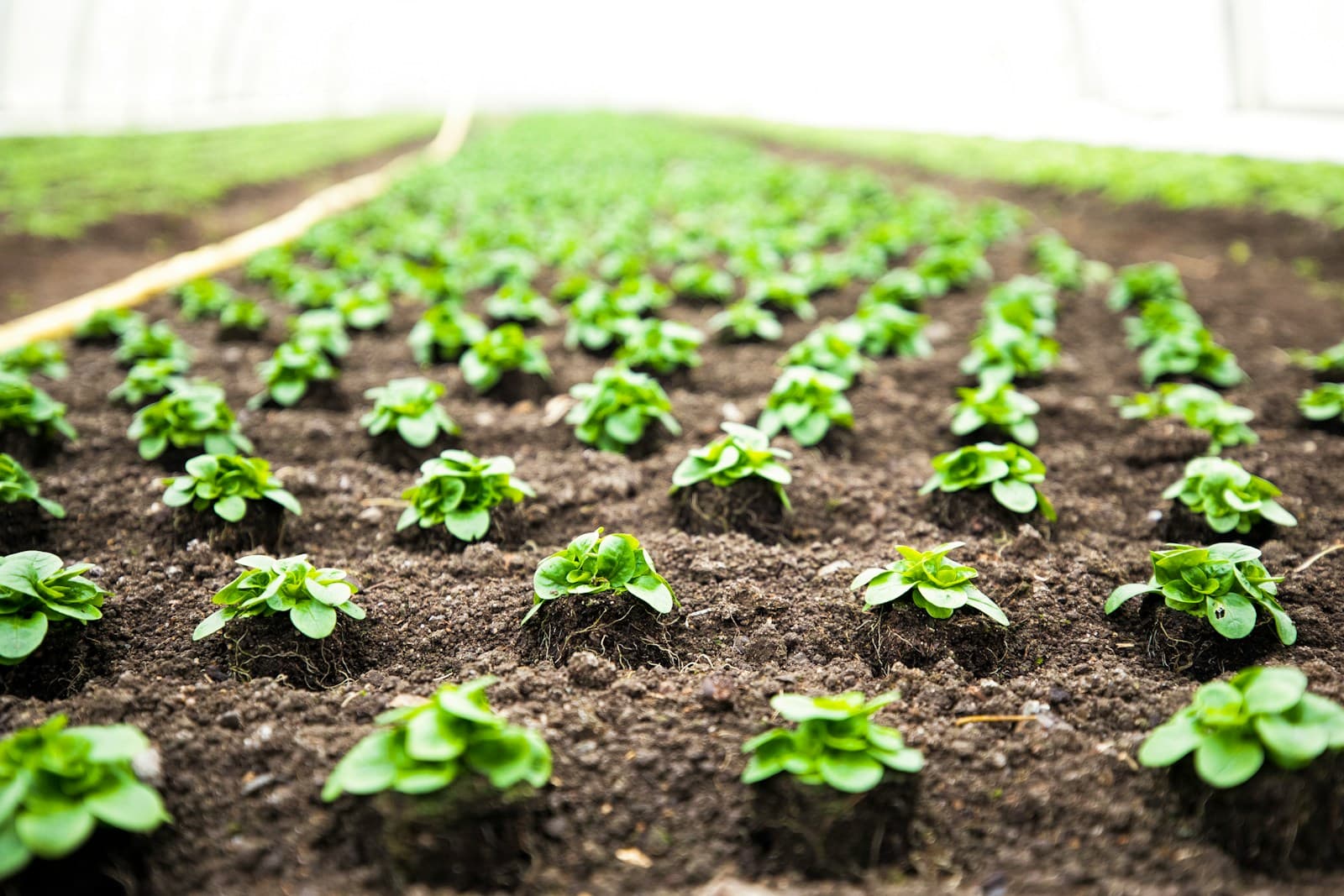
A hardened-off seedling looks sturdier, holds itself up better outdoors, and handles longer exposure without dramatic wilting. Leaves may feel slightly thicker and stems stronger than they did under indoor conditions.
Do not confuse hardening off with planting readiness. A seedling can be hardened off and still need warmer soil or safer weather before transplanting. Timing still matters.
- Ready seedlings tolerate outdoor sessions without collapsing.
- Outdoor tolerance does not cancel out the need for a safe planting window.
- Use the planting calendar for the final decision, especially with tomatoes and peppers.
Hardening off is gradual adaptation, not a one-day test
The fastest way to lose healthy seedlings is to move them from sheltered indoor conditions into all-day sun and wind because the weather looked good once. A measured transition keeps the leaves, roots, and stems working together.
- Build exposure in steps and let the seedlings tell you when the pace is too fast.
- Use protected shade first, then longer sessions, then stronger conditions.
- Separate hardening off from the final transplant timing decision.
The guidance here draws on the references listed below.
Quick answers before you head back outside
These are the questions that usually come up once the guide turns into real garden work.
How long does it take to harden off seedlings?
About 7 to 10 days works for many home gardeners, though weather and crop type can stretch or shorten that timeline.
Can seedlings go straight into full sun on day one?
Usually no. Indoor-grown seedlings often scorch or wilt badly if they jump into full sun and wind too quickly.
Do I need to bring seedlings inside at night while hardening off?
Often yes, especially for warm-season crops or when nights are still cool. Hardening off is gradual exposure, not all-or-nothing exposure.
Should I water more during hardening off?
You may need to water more often because trays dry faster outdoors, but the goal is still even moisture rather than constantly saturated cells.
Products to consider
As an Amazon Associate I earn from qualifying purchases.
These products support the garden jobs covered above. If you buy through a link, GrowerBuddy may earn a commission at no extra cost to you.
The price tier is a rough guide to where this product usually sits in its category, not a live price. Check Amazon for the current price and availability.