Overwatering Vegetable Seedlings
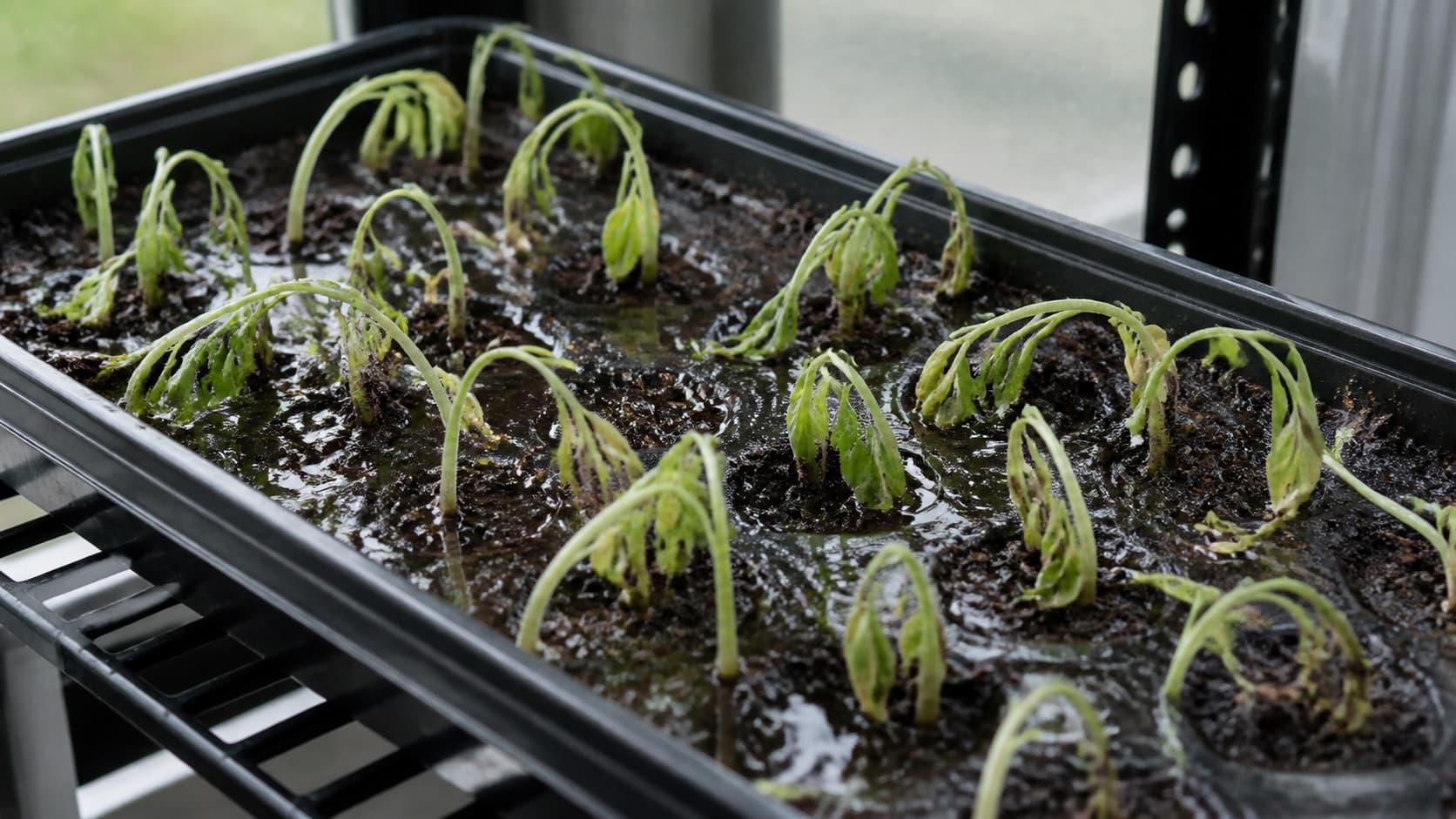
Wilted seedlings are often too wet, not too dry. Constantly damp starter mix starves roots and invites weak growth.
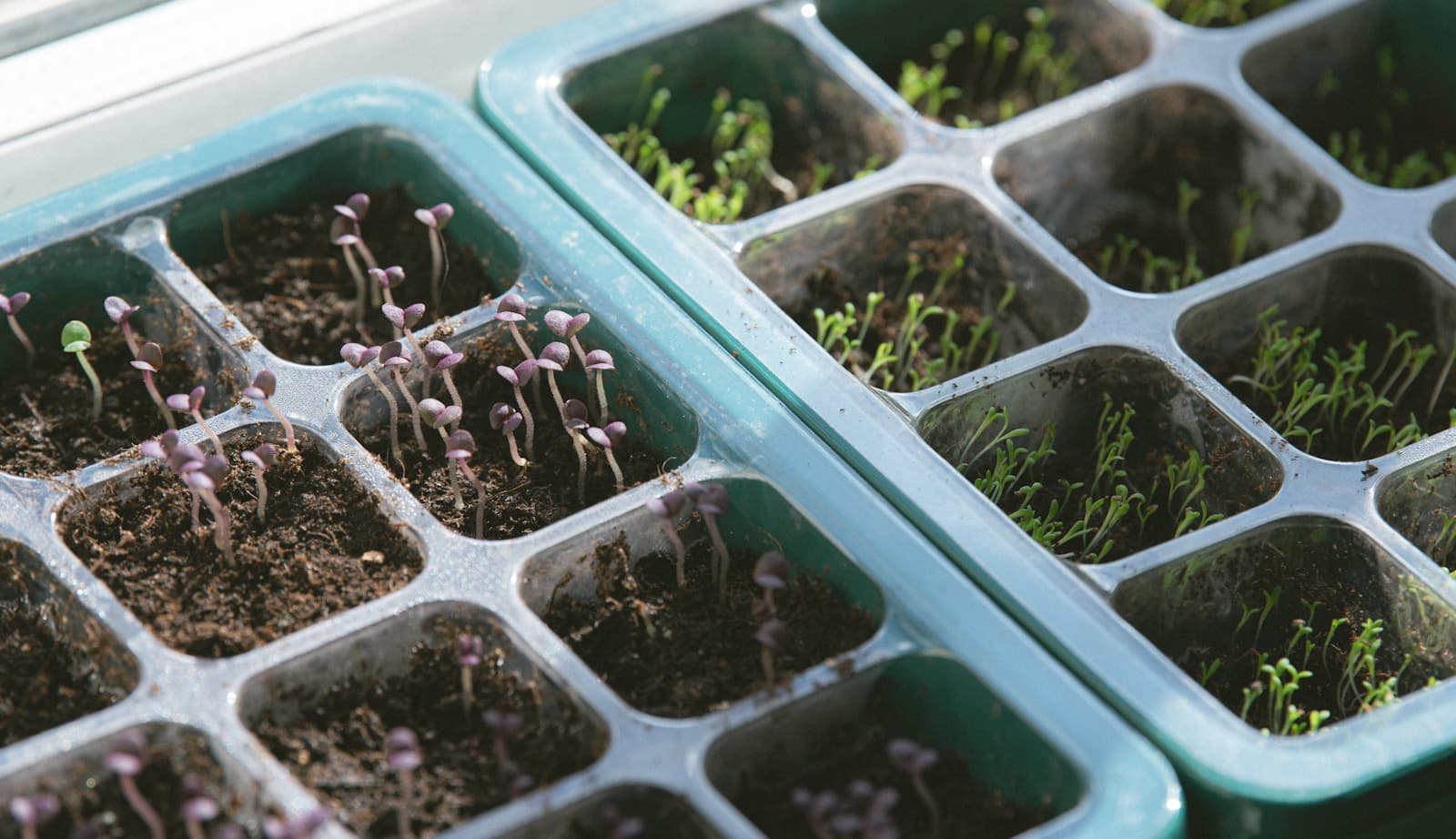
Most indoor seedling problems begin with good intentions and too much water. If trays stay heavy all the time, seedlings lose root strength, foliage pales, and the whole setup becomes easier for disease and gnats to exploit.
Next Move
Use the calendar when the real problem is timing or weather.
If seedlings are backing up indoors because outdoor conditions still look rough, use the planting calendar to judge when the next safer transplant window opens in your area.
Check the pattern before you treat the plant
Keep the troubleshooting sequence simple: compare what you can see, rule out the most common causes, and choose the lowest-risk next step first.
Check First
- Whether trays still feel heavy long after the last watering.
- If stems look thin, soft, or pinched near the soil line.
- Whether algae, fungus gnats, or a sour smell are showing up around the cells.
Likely Causes
- Watering by schedule instead of by tray weight and soil feel.
- Starter cells with poor drainage or no dry-down time between waterings.
- Low airflow, low light, or crowded seedlings that never toughen up.
- Cool indoor conditions that keep potting mix wet for too long.
What To Do This Week
- Let the mix dry slightly before the next watering instead of topping it off.
- Bottom water when possible and empty extra water after the mix has wicked enough.
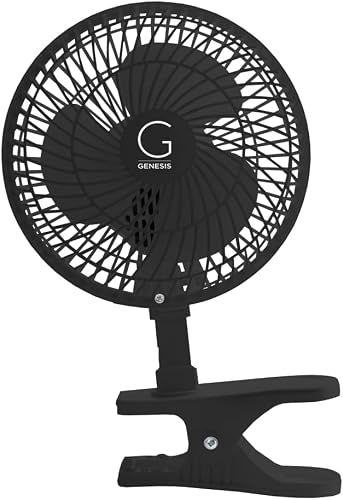
- Increase airflow and keep the strongest light close enough to prevent stretch.
- Thin crowded cells so roots and stems are not competing in damp conditions.
Rule out root-zone moisture and temperature dips before using sprays or fertilizer
Leaf curling, yellowing, and stalled growth often follow wet soil, cold nights, or transplant shock. Check the soil 2 inches down before changing your feeding schedule.
Products to consider
As an Amazon Associate I earn from qualifying purchases.
These products may help with practical checks like steady watering, checking the soil around the roots, and fertilizing only when needed. If you buy through a link, GrowerBuddy may earn a commission at no extra cost to you.
The price tier is a rough guide to where this product usually sits in its category, not a live price. Check Amazon for the current price and availability.

The diagnostic guidance draws on the references listed below.
Keep troubleshooting from the right starting point
If this was not the exact symptom you meant, jump back to the hub or compare it with the other common problem guides.
All Garden Problems
Return to the main troubleshooting hub to compare the quick triage and all four featured problem guides.
Back to the hub
Topic
Seed Starting and Transplants
Indoor sowing, seedling care, transplant timing, and the early-season mistakes that stall vegetables fast.
Guide
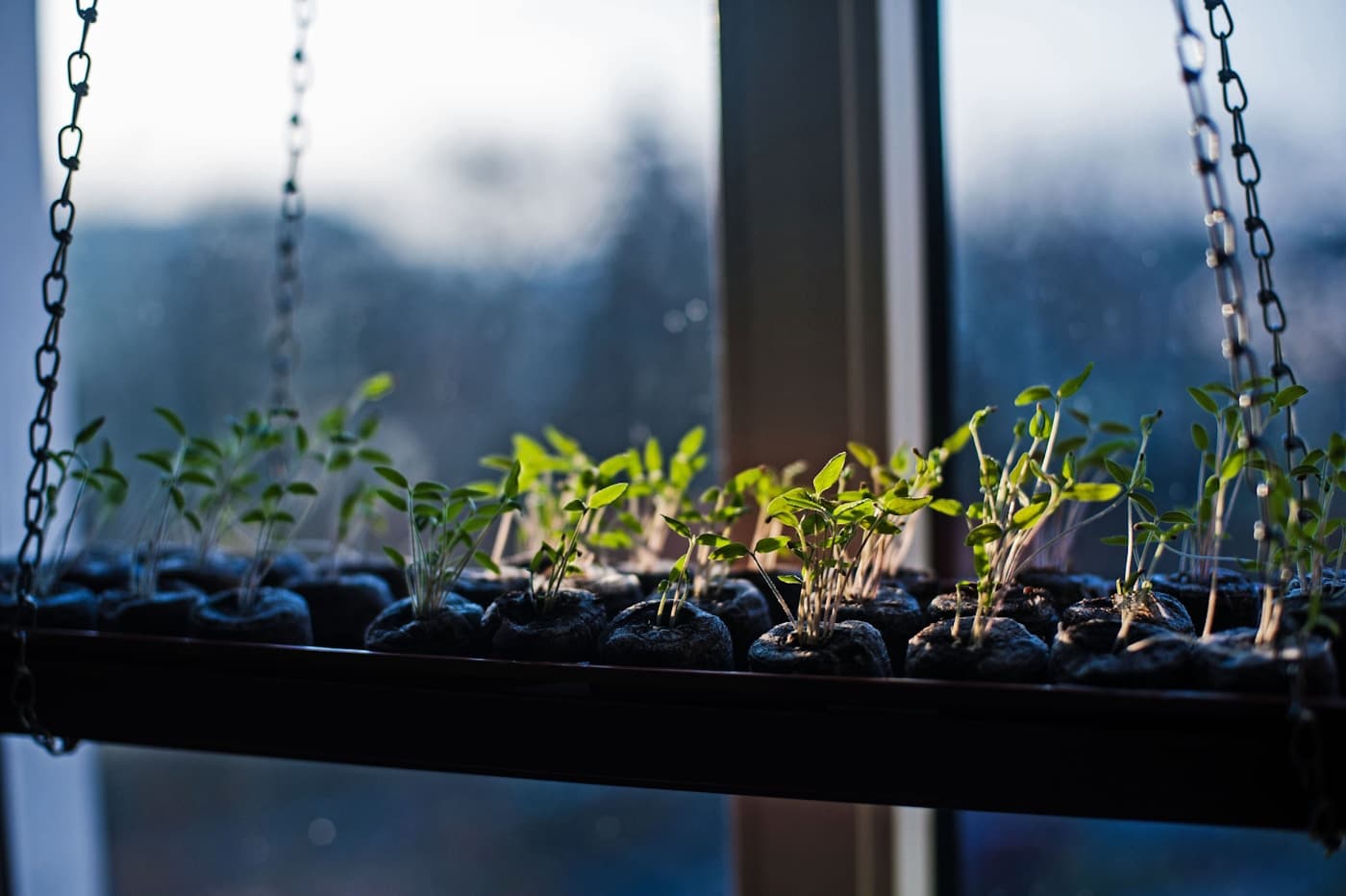
How to Start Seeds Indoors
A beginner setup for lights, trays, warmth, and the first week after germination.
Guide
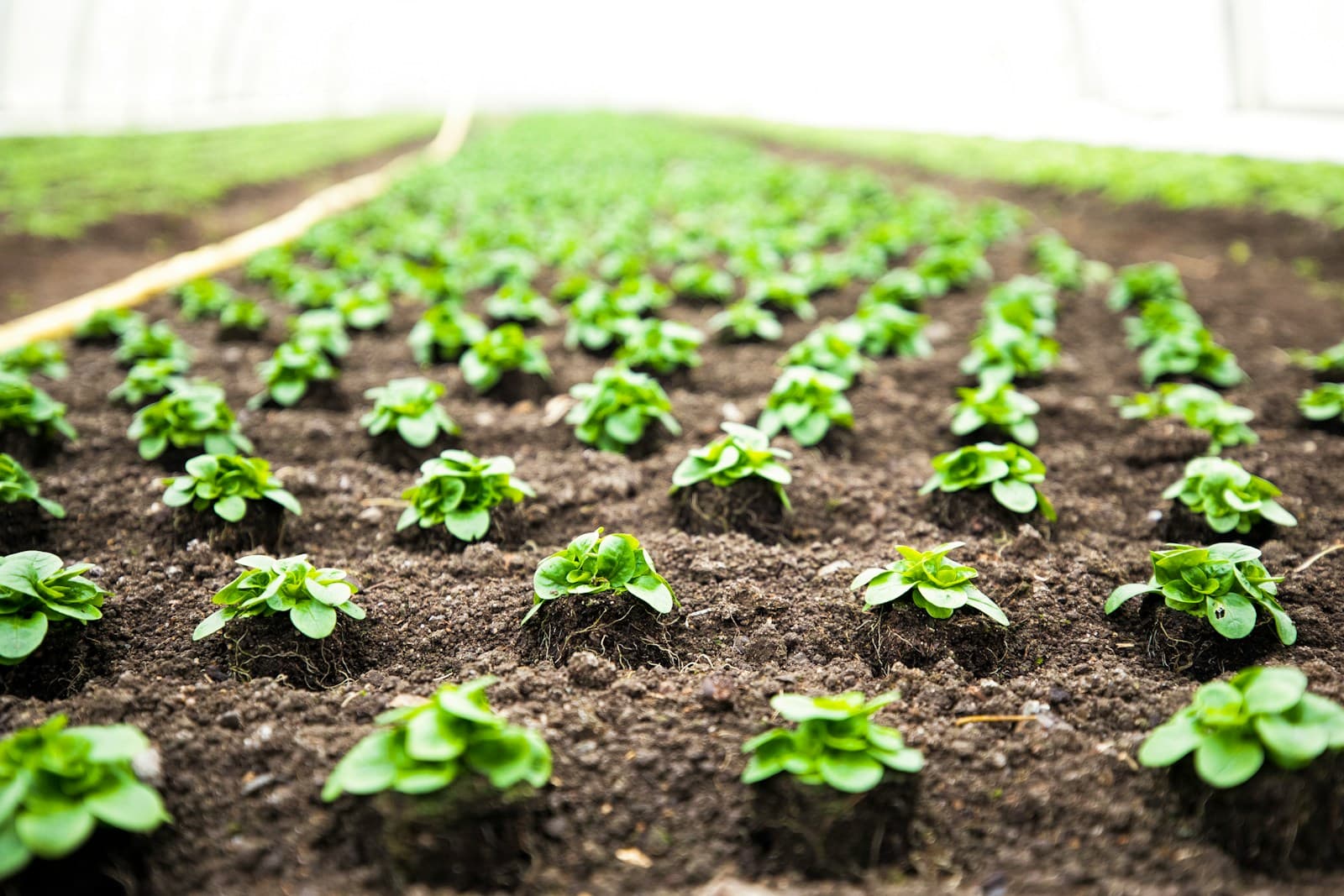
How to Harden Off Seedlings
A practical hardening-off routine for vegetable seedlings before they move from indoor comfort to outdoor wind, sun, and cooler nights.
Tools & Supplies
Best Seed Starting Trays for Home Gardeners
Choose the right tray size, cell depth, and durability for tomatoes, peppers, brassicas, herbs, and short indoor starts.