Why Pepper Plants Are Not Growing and What to Check First
Peppers work in a narrower band of temperatures than the tomatoes beside them and grow very slowly outside it. Three checks tell you whether the plant is waiting or something is holding it.
Pepper plants not growing or stuck at a few inches? Most stalled peppers are waiting on the weather, the pot, or the light, and the checks below separate those from a plant that needs help.
Next Move
Use the calendar when the real problem is timing or weather.
If the overnight lows are the check that failed, the planting calendar shows whether your area is early, on time, or still short of the nights peppers need.
Waiting, or stuck?
Two readings fit a pepper that is not growing, and these are the signals that separate them before you change anything.
Cool nights slow a pepper long before they harm it
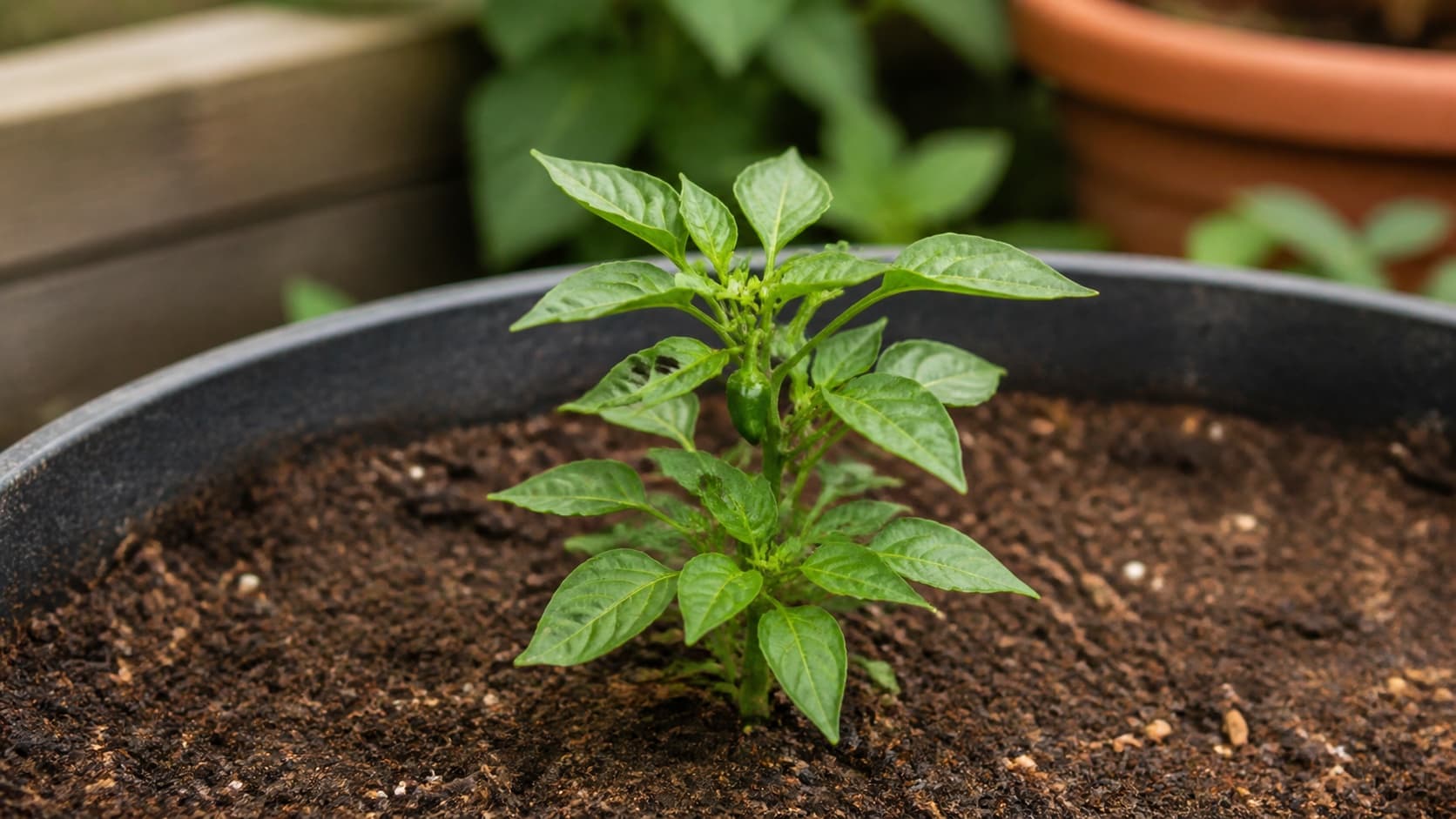
A pepper grows in a warmer, narrower band than a tomato, and outside that band it all but stops. A plant that is deep green, firm, and still making the right shapes at the tips is holding its place, not failing, even when the tomato in the next row is twice its size.
What you can see
- Deep, even green from the lowest leaf to the growing tip
- The newest leaves are small but the right shape for the variety
- Flower buds or the first small fruit are forming at the tips
- The plant holds one size for a week or two without dropping lower leaves
A stall with a visible change has a cause worth finding
Something visible changed at the same time the growth stopped. A plant that is only waiting does not do that, which is why this is the branch to investigate.
What you can see
- The newest leaves come out puckered, twisted, or clearly smaller than the ones below
- The growing tip has gone bare, or the stem stopped making new leaf pairs
- Lower leaves yellow and drop while the top does not move
- The pot dries out within a day, or water runs straight through it
Clear these before you treat the plant
Each check costs more than the one before it, so work down the list and stop as soon as one of them explains what you are looking at.
Night temperature
60–70°F
16–21°C
The night range a pepper grows in
How to check
Read the overnight low for the past week, not the daytime high. A warm afternoon says nothing about the eight hours that follow it.
What it means
Peppers are set out once nights stay above 50°F, and they grow very slowly in cool spells. Several nights below 50°F brings chilling injury, which opens the next leaves puckered and twisted. Between 50 and 60°F a pepper stays healthy and stays the same size.
Root room
Circling roots
What the lift is looking for
How to check
Slide the root ball out of its pot and look at the outside of it. Roots that wrap around the wall have filled the space they were given.
What it means
A root ball packed against the pot wall cannot take up water fast enough to build new stems, so the plant stays in maintenance. Pot it up, or loosen the circling roots if it is going into the ground.
Direct sun
6–8 hours
Daily direct sun on the leaves
How to check
Count the hours the leaves stand in sun. A spot that looks bright from the kitchen window can still be shaded for most of the afternoon.
What it means
Peppers want at least six hours of sun falling straight on the leaves. Below that the site is the limit, and extra feeding does not make up the difference.
What you can see, and what it points at
Use this when the stall came with something visible on the plant, rather than a plant that simply stopped getting bigger.
The newest leaves open puckered and small, the older leaves are fine, and nights have been cold
- Points at
- Chilling injury from nights below 50°F
- Confirm it
- Look up the overnight lows for the week those leaves were forming.
- Do this
- Change nothing. The leaves that open once nights hold in their range come out flat and full-sized.
The growing point distorts or dies back, new leaves stay small and dark, and fruit carries a sunken dark patch at the blossom end
- Points at
- A calcium shortage reaching the new growth and the fruit
- Confirm it
- Look at the leaf that opened most recently. Calcium shows on the fruit and on the newest leaves. The oldest leaves stay green.
- Do this
- Even the moisture out. A dry stretch, a salty mix, or a swing between drought and soaked blocks uptake even when the soil holds plenty.
New growth clean and flat, plant simply short, a new leaf pair most weeks
- Points at
- Root room, site warmth, or both
- Confirm it
- Lift the root ball and count the hours of direct sun.
- Do this
- Move it to the warmest, sunniest spot you have, and pot it up if the roots have filled the space.
Sticky new shoots, clusters of small insects, leaves curled and cupped
- Points at
- Aphids feeding on the tender tips
- Confirm it
- Look under the newest leaves and along the stem tip in the morning, while it is still cool.
- Do this
- Knock them off with a strong spray of water, then look again in a few days.
Leaves cupped or twisted on one side of the plant only, after spraying nearby
- Points at
- Drift from a herbicide or a strong insecticide
- Confirm it
- Note which side of the plant faces the ground you sprayed or the neighbour treated.
- Do this
- Nothing restores the damaged leaves. Keep watering and watch whether the new growth opens normally.
The oldest, lowest leaves yellow first while the top stands still
- Points at
- Root-zone trouble, most often a mix that never dries out or soil that stays wet
- Confirm it
- Feel the soil an inch down. If it is still wet days after watering, the roots are sitting in water.
- Do this
- Let the top inch dry between waterings and check that the pot drains freely.
The rhythm that keeps fruit from failing
Blossom-end rot is a watering problem before it is a soil problem, which makes this the routine worth holding to.
One to two inches a week, delivered deep
Peppers want a steady supply, not a lot at once. The weekly total matters less than how evenly it arrives, because the swing from dry to soaked is what the fruit reacts to.
- In the ground
- One or two deep soakings a week, letting the top inch dry in between.
- In a pot
- A small container can need water every day in summer. Check the top inch before you water, then water until it drains freely.
- After a dry stretch
- Bring the moisture back over a few days. One heavy watering after drought is the change fruit reacts to.
- While fruit is swelling
- Hold the same rhythm. Blossom-end rot shows up on the first fruits of a plant that dried out while they were enlarging.
Water the soil, not the leaves. Wet foliage invites disease, and splashed soil carries it up onto the plant.
Why peppers behave this way
The mechanics behind the checks, for readers who want to know what the plant is doing.
Why the night temperature decides how fast a pepper grows
The two crops overlap for most of the season, which is what makes the comparison so misleading. A tomato sets fruit in a wider spread of temperatures and keeps moving through spells that stop a pepper altogether. Placed side by side in the same bed, they are not running the same race.
A cool night slows a pepper at both ends. Roots take up less water, and the shoot stops adding new cells, so the plant neither grows above ground nor extends below it. That pause is the crop's own limit, and it lasts as long as the nights do.
- Peppers are set out after nights stay above 50°F; a tomato tolerates colder nights than that.
- Once nights sit in the 60s, a pepper adds leaves at a pace the tomato stops outrunning.
- A plant that has held its size for two weeks without losing foliage is usually still on course.
What the plant does after you clear a check
Growth resumes at the tip before it shows anywhere else, and it arrives as shape before it arrives as height. The first leaf pair to open after a cold spell is the honest signal: flat, full-sized leaves mean the check you cleared was the one that mattered, while another puckered pair means something further down the list is still holding the plant.
A repotted pepper settles in before it grows again, and that pause is long enough for the fix to look like it failed. Judging by height while it settles measures the wrong thing.
- Read the newest leaf pair, not the plant's overall height.
- A repotting interrupts growth before it pays off.
- Feeding a plant that is still cold or root-bound adds stress to the problem you were trying to solve.
Why a container stalls before the bed does
A pot changes all three checks at once. It holds less soil, so it dries faster and swings further between wet and dry; its roots meet the wall and turn; and its soil warms and cools faster than a bed does. That is why a container pepper is usually the one that stalls while the bed beside it keeps growing.
The same properties make a pot easier to fix. Size, position, and watering are all within reach of a single afternoon, where the same corrections in open ground take a season.
- Pot up before the roots wrap the wall.
- A larger pot buffers the wet-to-dry swing that a small one cannot.
- In summer a small container may need checking every day.
Five steps, then read the tip
The last step is the one that tells you whether the fix worked.
- 1Read the overnight lows for the past seven days and the week ahead.
- 2Lift the root ball out of its pot and look at the outside of it.
- 3Count the hours of direct sun the leaves actually get.
- 4Clear the check that failed, and change nothing else while you watch the tip.
- 5Watch the growing tip: the next two leaf pairs tell you whether it worked.
Products to consider
As an Amazon Associate I earn from qualifying purchases.
These products may help with practical checks like steady watering, checking the soil around the roots, and fertilizing only when needed. If you buy through a link, GrowerBuddy may earn a commission at no extra cost to you.
The price tier is a rough guide to where this product usually sits in its category, not a live price. Check Amazon for the current price and availability.

Espoma Garden-Tone (18 lb)
Use it only after checking temperature, soil moisture, and root space. This balanced 3-4-4 fertilizer is a fit for peppers that have started growing actively again.
View on Amazon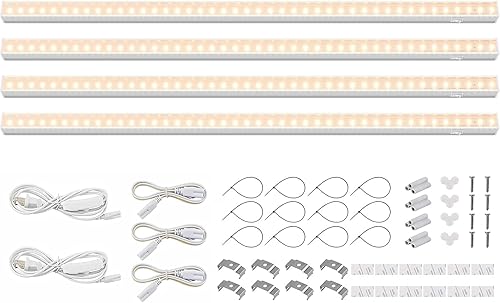
Barrina T5 LED Grow Light (4-pack, 2ft)
A practical extra light for young pepper plants grown indoors when a bright window does not provide enough direct sunlight.
View on Amazon
Espoma Organic Potting Mix
A potting mix that gives peppers with crowded roots more room after you move them into a larger container.
View on AmazonThe diagnostic guidance draws on the references listed below.
- Clemson Cooperative Extension: Pepper
- University of Minnesota Extension: Growing Peppers
- Ontario Ministry of Agriculture: Extreme Temperature Effects on Tomato and Pepper Crops
- Ohioline (Ohio State University Extension): Growing Peppers in the Home Garden
- Oregon State University Extension: Grow Your Own Peppers
- Penn State Extension: Growing Peppers
- NC State Extension: Blossom-End Rot of Tomato, Pepper, and Watermelon
- Iowa State University Extension: Identifying Plant Nutrient Deficiencies — Calcium
Quick answers before you treat the plant
The questions that come up once the checks have narrowed the field.
How often should I water pepper plants?
In the ground, one to two inches a week, given as one or two deep soakings instead of a daily sprinkle. A small container is a different job: in summer the mix can dry out in a day, so check it before you decide whether to water.
What do calcium deficiency symptoms look like on a pepper?
The growing point distorts or dies back and the newest leaves stay small and dark, and fruit develops a sunken dark patch at the blossom end. These appear before the plant sets fruit, which is when they are easiest to act on. The shortage is usually about the water that carries calcium to the fruit, so even moisture does more than a calcium feed.
Do peppers grow slowly in cool weather?
Yes. Peppers work in a narrower, warmer band of temperatures than tomatoes and grow very slowly outside it, so the two crops look mismatched in the same bed through spring and early summer. If the new leaves are the right shape and colour, the peppers are still on course.
Should I fertilize a pepper plant that is not growing?
Not before you have checked night temperature, root room, and sun. A cold or root-bound pepper cannot use the extra nutrients, and feeding a plant in a small pot tends to add salt stress on top of the problem you were trying to solve.
What does recovery actually look like?
It starts at the growing tip. The first leaf pair to open after the fix should come out flat and full-sized, and the stem resumes making new pairs above it. Fruit set usually picks up at the next flush of flowers.
Keep troubleshooting from the right starting point
If this was not the exact symptom you meant, jump back to the hub or compare it with the other common problem guides.
All Garden Problems
Return to the main troubleshooting hub to compare the quick triage and all four featured problem guides.
Back to the hub
Topic
Seed Starting and Transplants
Indoor sowing, seedling care, transplant timing, and the early-season mistakes that stall vegetables fast.
Guide
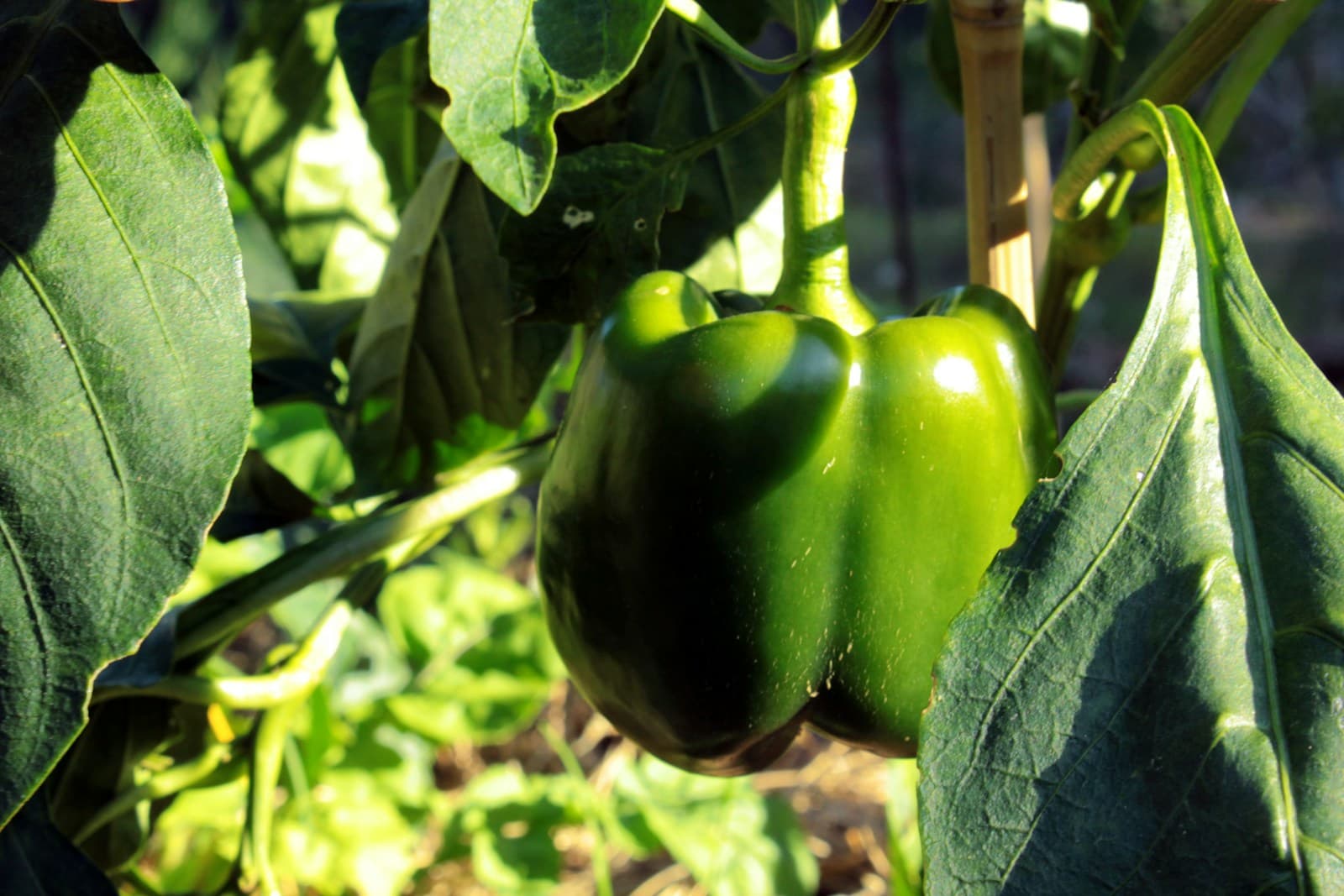
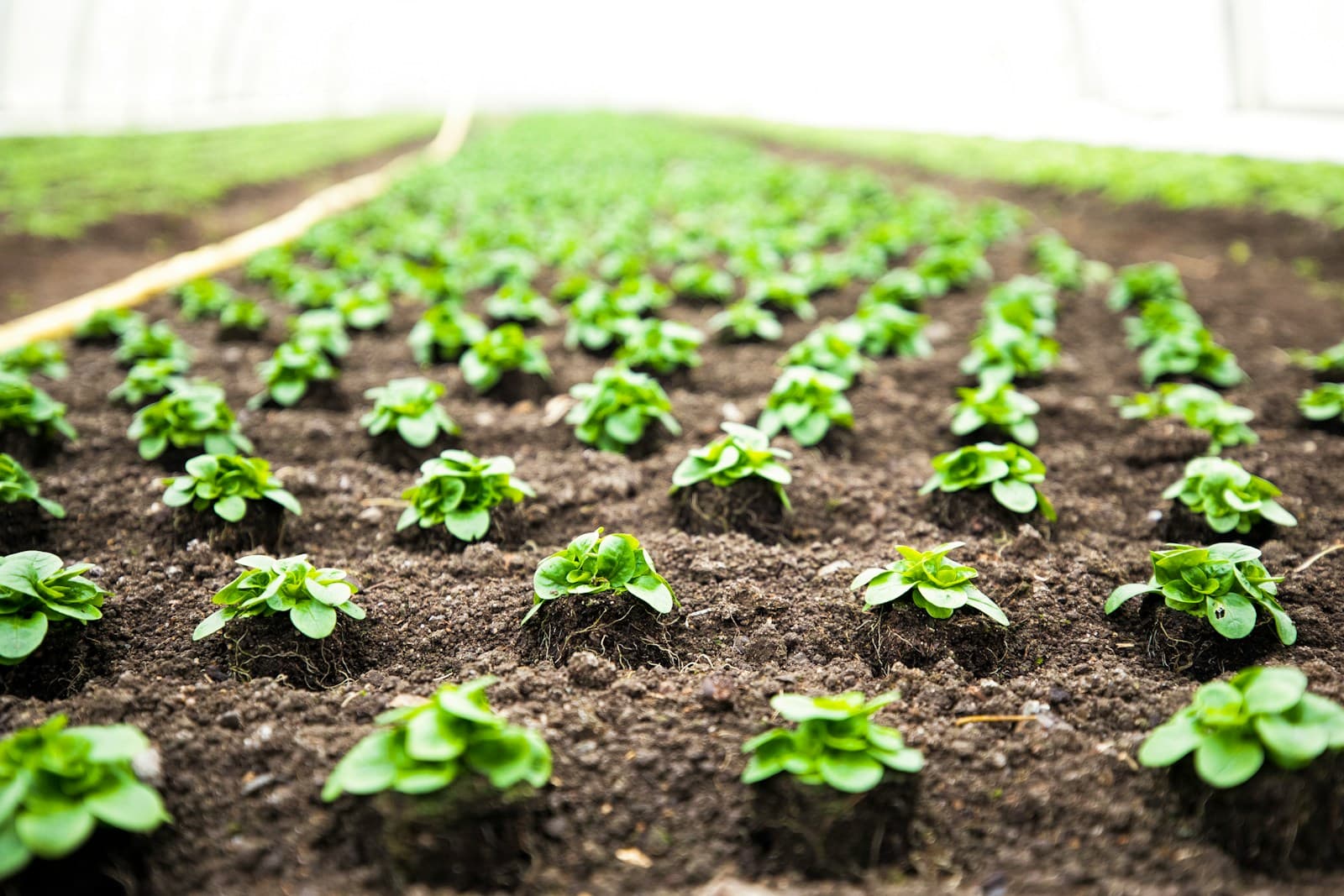
When to Plant Peppers in Your Area
Use warm nights, soil readiness, and local forecast windows to transplant peppers at the right time for stronger growth.
Guide
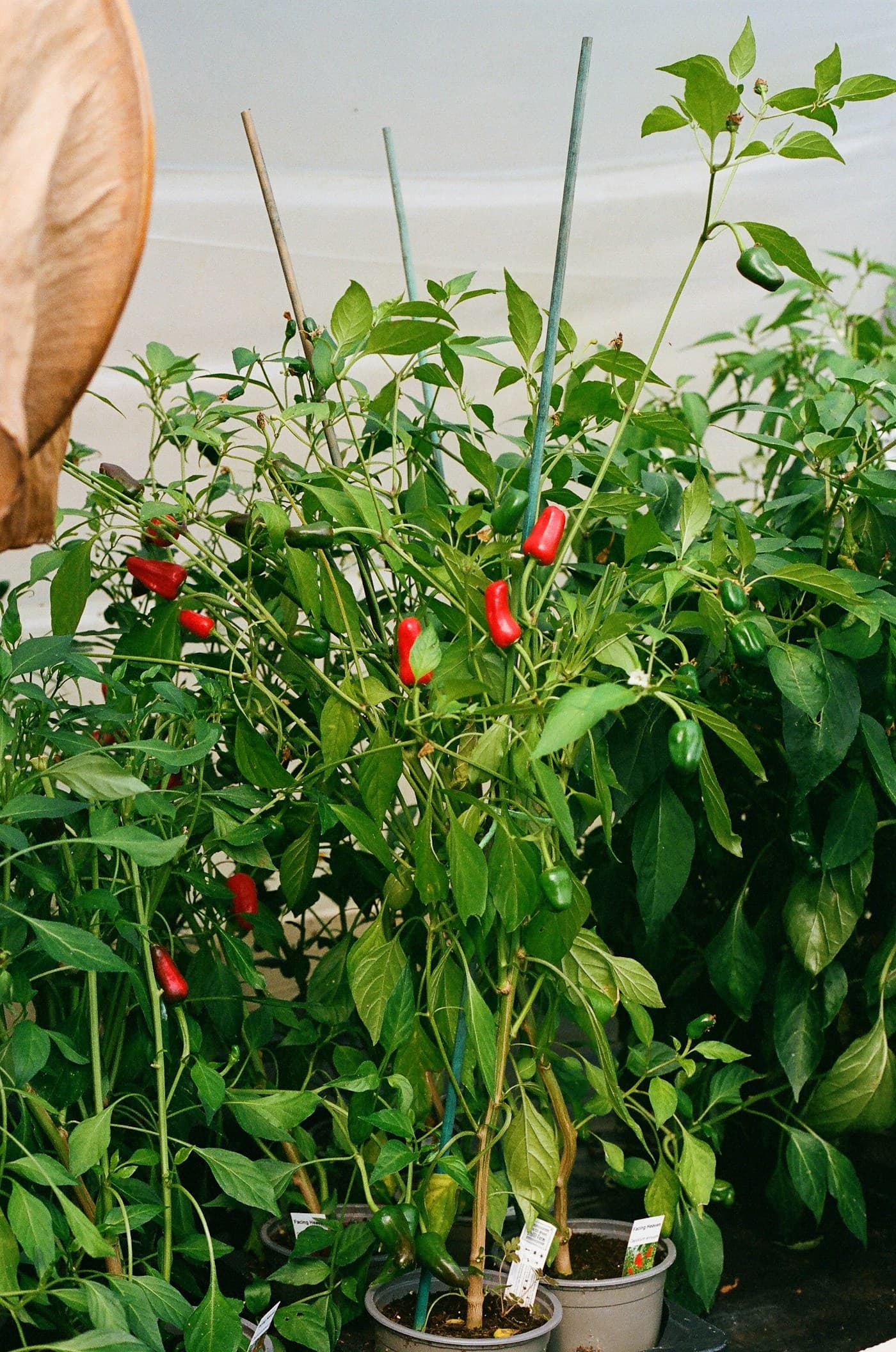
How to Harden Off Seedlings
A practical hardening-off routine for vegetable seedlings before they move from indoor comfort to outdoor wind, sun, and cooler nights.
Guide
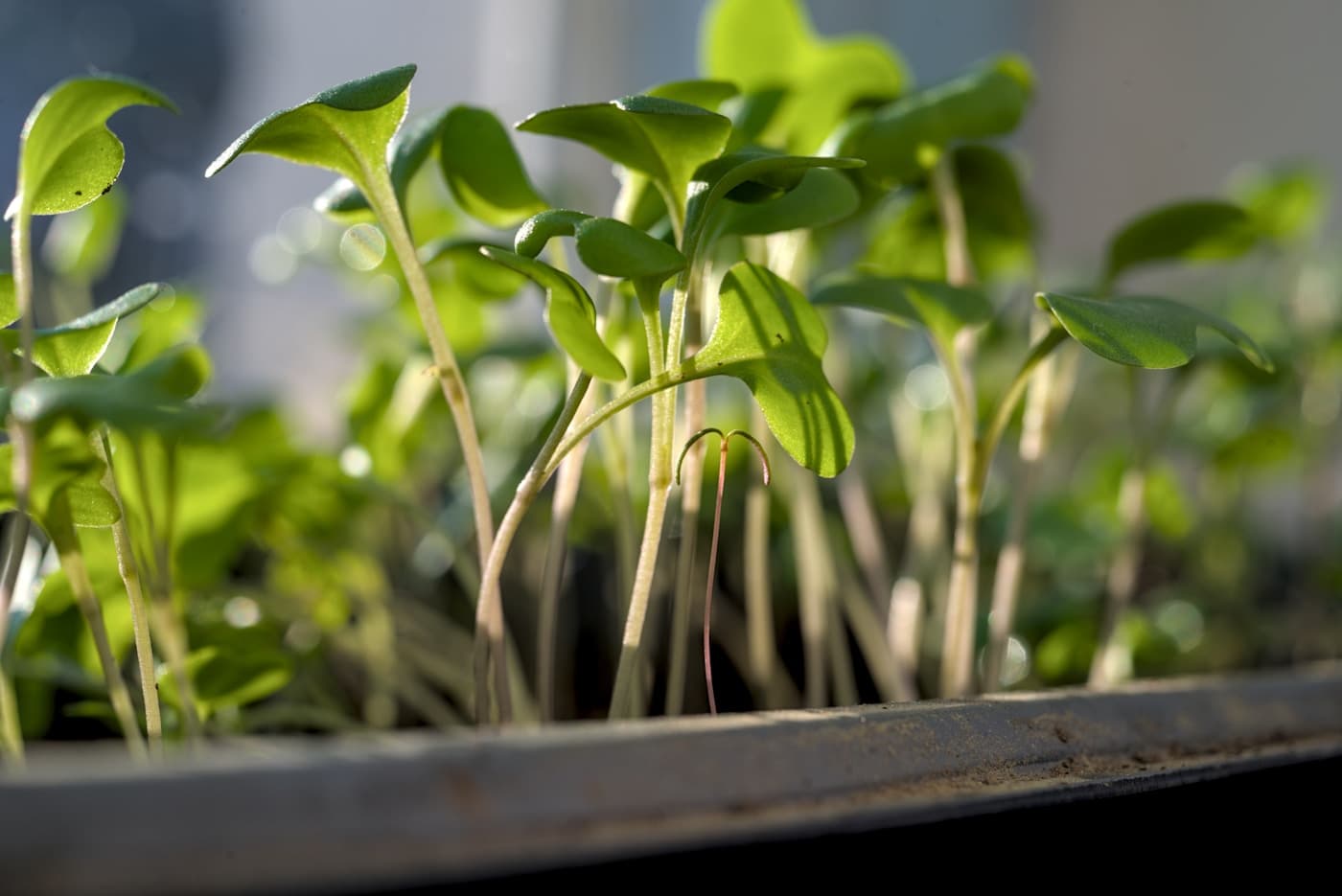
How to Grow Peppers in Pots
Container-specific tips for pepper variety choice, watering, and sun exposure.
Guide
When to Plant Tomatoes in My Zone: Dates & Weather Checks
Find when to plant tomatoes in my zone with planting dates by USDA zone, seeds started 6 to 8 weeks ahead, and the night temperature, soil warmth, and 7-day forecast checks that pick a safe day outside.
Tools & Supplies
Best Organic Fertilizer for Vegetables
How to choose an organic fertilizer that feeds your vegetable garden without burning roots, polluting runoff, or wasting money on hype.