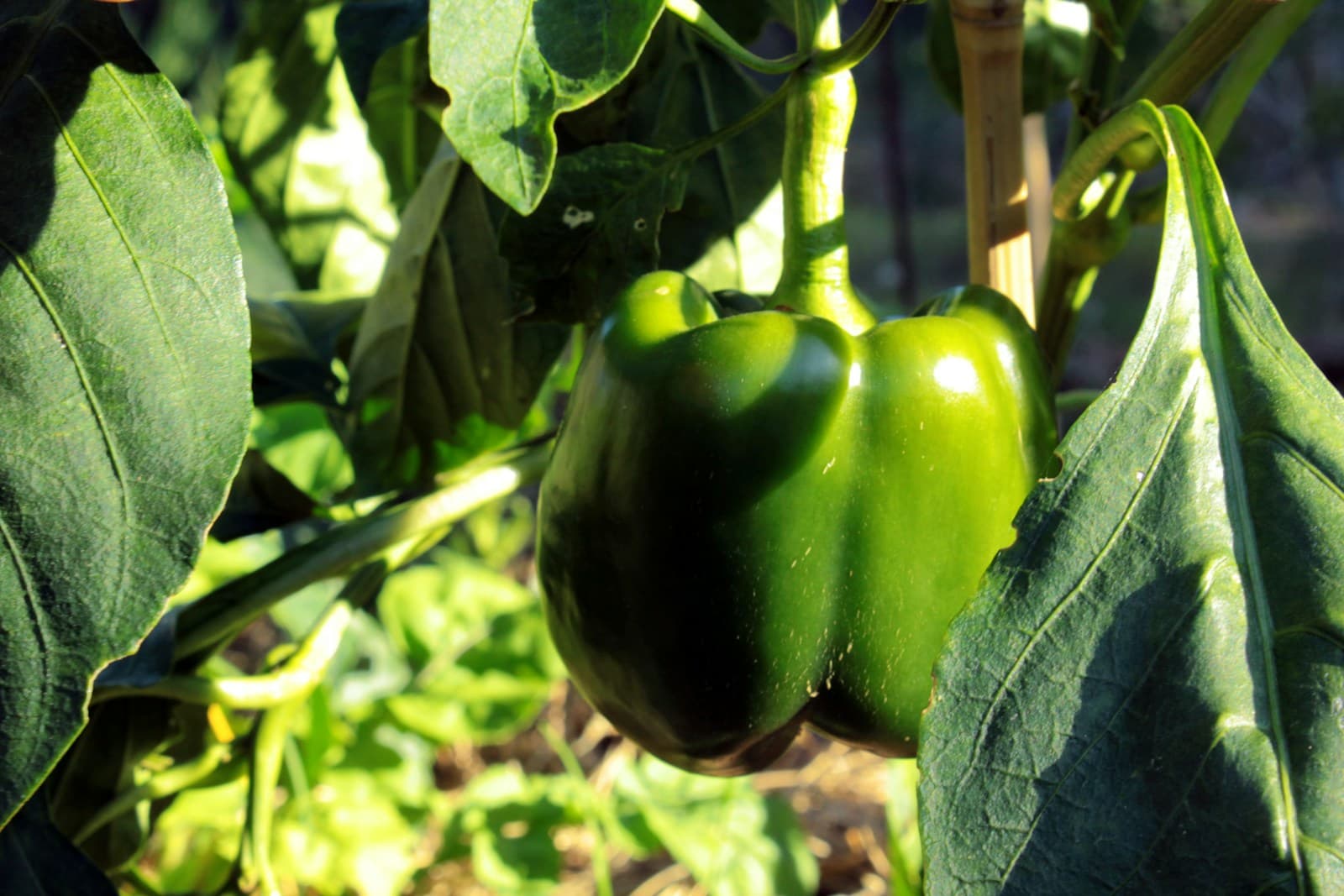
Peppers want warmer and steadier conditions than many first-time growers expect.
Transplant timing should be driven by local nights and soil warmth, not just a general zone date.
Waiting a bit longer often saves more time than rescuing cold-stalled peppers later.
Why peppers punish early planting
Pepper roots want warmth. When the soil is still cool and the nights keep slipping, the plant does not just pause politely. It often stalls, pales, and spends valuable early-season time trying to recover instead of growing. This is why peppers look permanently stuck for so many home growers after an otherwise optimistic transplant day.
Unlike quick cool-season crops, peppers do not reward bravado. They reward patience and a cleaner warm-weather window.
- Cool soil slows peppers fast, even if daytime sun looks promising.
- A short cold stretch after transplanting can cost weeks of growth.
- Peppers usually prefer a later move than gardeners first assume.
What to watch in your area before transplanting
Start with the overnight pattern, not the afternoon high. Peppers respond strongly to nighttime conditions because cold nights keep the root zone and overall plant metabolism slower than daytime warmth suggests. If the coming week still looks uneven, the crop is better off waiting.
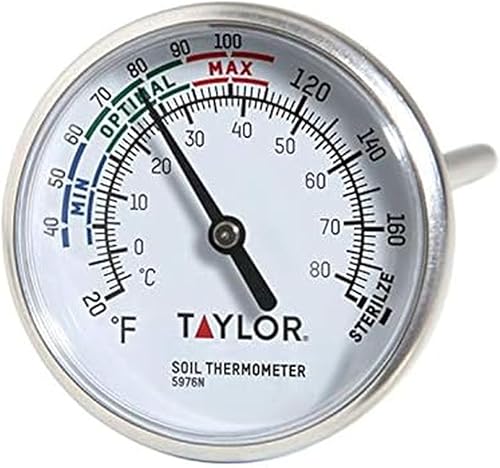
Also check soil condition. Wet heavy beds, recent cold rain, and sites that lag behind the rest of the yard are signs that the planting window has not really opened yet.
- Prioritize warm nights and a stable short-term forecast.
- Use the actual garden site, not a regional average, as the final reference.
- Delay planting if the bed is still wet, sticky, and slow to warm.
How seed starting changes the timing decision
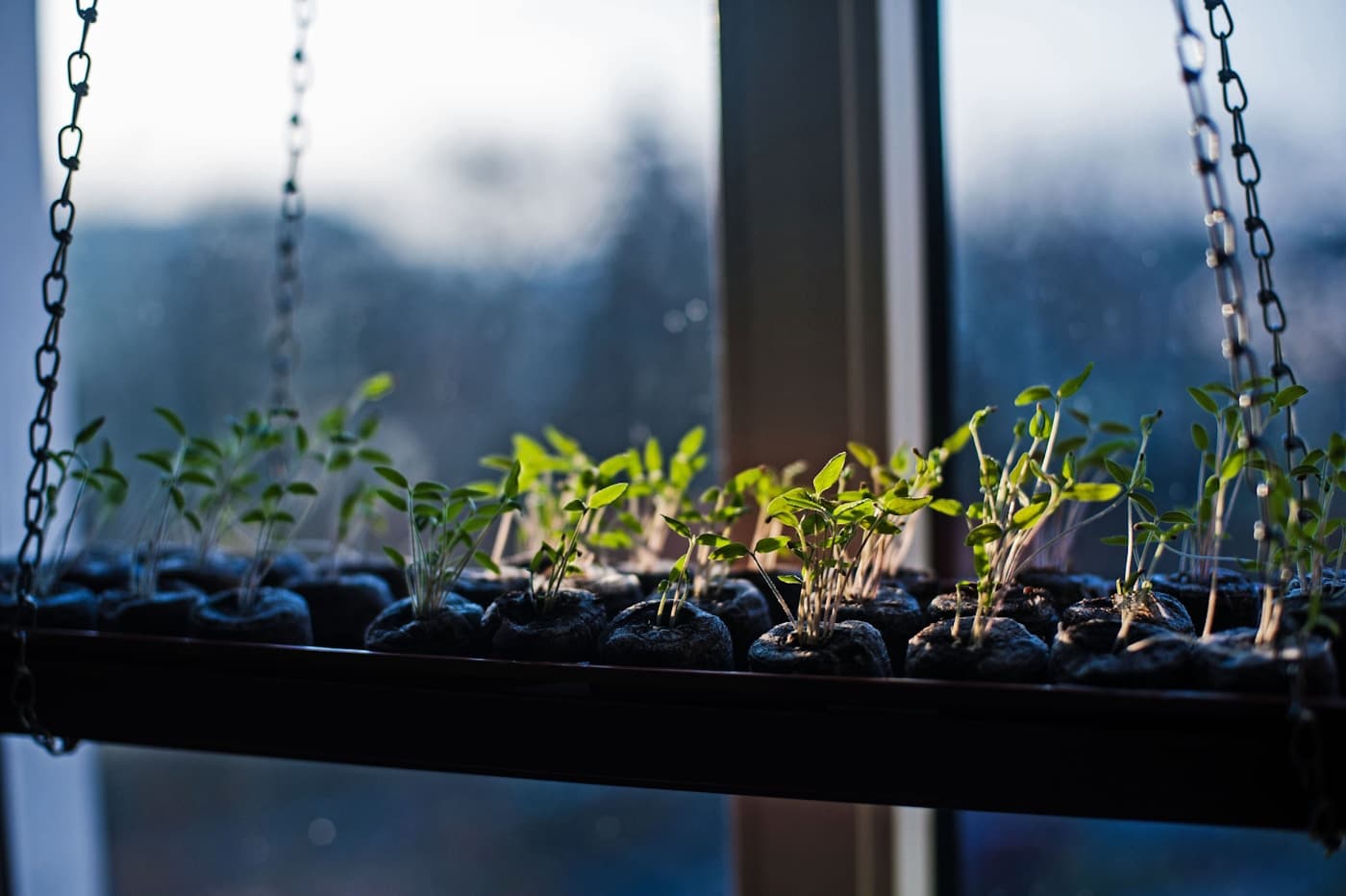
Indoor seed starting lets you wait for better outdoor conditions without losing the season entirely, which is exactly why peppers benefit from it. The transplant goal is not to get peppers outside as soon as possible. It is to have healthy plants ready when outside conditions finally deserve them.
This is also why hardening off matters. A seedling can be tall enough to transplant and still not be ready for a cool, windy week outdoors.
- Use indoor seed starting to buy patience on the outdoor date.
- Do not confuse seedling size with outdoor readiness.
- Finish hardening off before the main transplant week arrives.
Containers can move a little earlier, but only a little
Containers warm faster than in-ground beds, and movable pots can help you capture better microclimates near walls and patios. That can create a small timing advantage for peppers in containers, especially if you can shift them under cover during rough weather.
Still, containers do not cancel out cold nights. Pepper containers can cool quickly, and wind stress can hit them even harder than plants in sheltered raised beds.
- Containers create flexibility, not immunity from cold stress.
- Move pots strategically, but do not force peppers into an early cold spell.
- Use warm reflective sites to support container transplants once the season is close.
What to do if you are on the fence
If the weather looks close but not clearly settled, the low-risk choice is usually to wait a few more days. Use that time to finish hardening off, prepare supports, warm the site, and get irrigation ready. A slight delay into better weather often beats an early planting date that turns into a long recovery period.
Peppers are a crop where the safest start is often the fastest finish. Strong early establishment creates more growth than a rushed transplant ever does.
- Use borderline weeks for preparation rather than forced transplanting.
- A delayed but clean start usually outperforms a heroic early start.
- Check the planting calendar if you need help reading the local window.
Peppers want a warm run, not one warm afternoon
If the next few nights still look shaky, your pepper transplant window has not really opened yet. Waiting for steadier warmth protects the crop from the stall that makes so many growers think peppers are impossible.
- Judge peppers by the week ahead, not by today's high temperature.
- Use protected sites and hardening off to prepare, not to justify rushing.
- Let warm nights and workable soil win the timing argument.
The guidance here draws on the references listed below.
Quick answers before you head back outside
These are the questions that usually come up once the guide turns into real garden work.
Can peppers go outside before tomatoes?
Usually no. Peppers often want even warmer conditions than tomatoes and tend to stall more obviously in cool weather.
Why are my pepper plants not growing after transplanting?
Cool nights, cold soil, root crowding, or poor hardening off are common reasons. Early planting is one of the biggest causes of stalled peppers.
Can I plant peppers earlier in containers?
Sometimes a little earlier because containers warm faster and can be moved, but they still need a genuinely warm forecast and protection from rough nights.
What is the safest way to pick a pepper planting date?
Choose a stretch of warm nights, workable soil, and a stable short-term forecast rather than a single optimistic date on the calendar.
Products to consider
As an Amazon Associate I earn from qualifying purchases.
These products support the garden jobs covered above. If you buy through a link, GrowerBuddy may earn a commission at no extra cost to you.
The price tier is a rough guide to where this product usually sits in its category, not a live price. Check Amazon for the current price and availability.