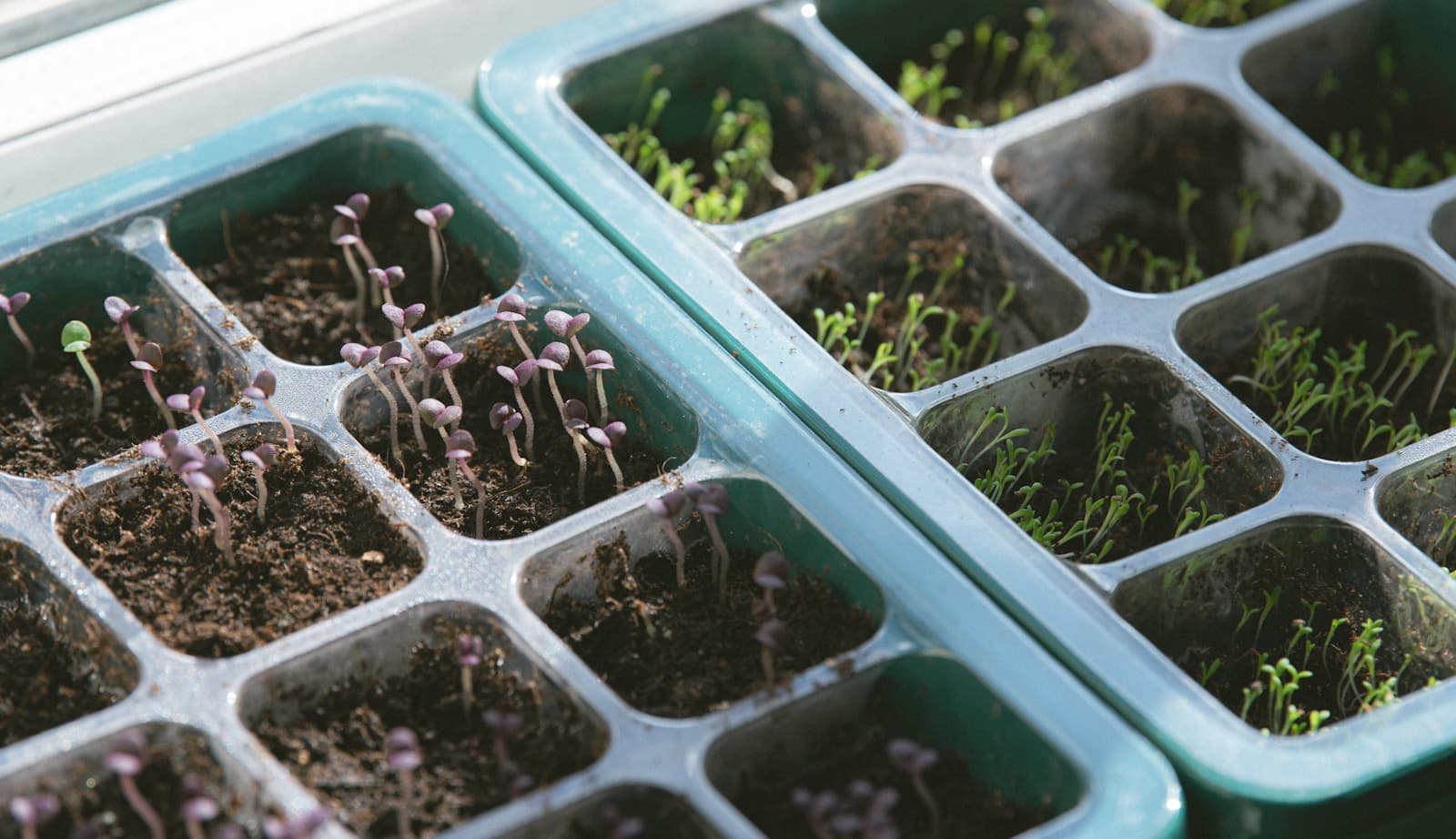
Cell size should match how long seedlings stay indoors, not just how many plants you want per tray.
A sturdy 1020-compatible setup makes bottom watering and reuse much easier.
The best tray system is the one that fits your crop mix and transplant timing without forcing emergency pot-ups.
Start with your crop mix, not the tray marketing
Home gardeners often buy trays by whatever looks standard, then discover too late that tomatoes, peppers, cucumbers, lettuce, herbs, and brassicas do not all want the same cell size. Warm-season crops that stay indoors for weeks need more root volume than lettuce or brassicas that move out earlier.
This is why tray selection should begin with your sowing calendar. If you are starting a few tomatoes and peppers for a home garden, larger cells or a plan to pot up makes more sense than packing everything into tiny inserts meant for faster turnover.
- Small cells suit short indoor runs and fast-moving crops.
- Larger cells reduce root crowding for tomatoes, peppers, cucurbits, and slower schedules.
- One tray system rarely fits every crop equally well.
Why 1020-compatible systems keep showing up
The 1020 tray format has become a practical standard because it works with bottom-watering trays, humidity domes, inserts, and propagation shelves across many suppliers. For home gardeners, that compatibility matters more than brand loyalty because it makes replacement and scaling easier.
A tray system built around standard outer dimensions gives you more options later. You can change cell inserts, switch from germination trays to open flats, or replace only the part that fails instead of rebuilding the whole setup.
- Standard outer dimensions make domes, inserts, and bottom trays easier to match.
- Rigid support trays matter almost as much as the cell insert itself.
- Compatibility beats novelty when you need replacements mid-season.
The cell sizes that make sense for home growers
High-count trays are efficient when you need many brassicas, lettuce starts, or quick-turn crops, but they force earlier transplanting or potting up. Mid-count trays balance density and root room better for mixed home gardens. Large-cell inserts are ideal when you grow fewer plants but want stronger plugs before transplanting.
Deep cells are especially helpful for tomatoes, peppers, and other crops that may sit indoors longer because spring weather slips. Shallow cells can work, but they leave less margin for schedule changes.
- Use higher counts for short stays and smaller seedlings.
- Use mid-size or larger cells for tomatoes, peppers, cucumbers, and flexible schedules.
- If your spring weather is unreliable, choose more root room rather than less.
What tray quality actually looks like
A good tray does not crack the first time you lift wet mix, twist when you carry it to hardening-off benches, or cling so tightly to roots that every transplant becomes a struggle. Material thickness, clean drainage holes, and support from the bottom tray all matter more than glossy product photos.
Reusable trays often cost more upfront, but they are easier to justify if you start vegetables every year. Flimsy inserts can work for one short season, but they usually become the bottleneck once you are handling heavier seedlings or repeated sowings.
- Look for trays that stay rigid when lifted full of wet mix.
- Drainage holes should release excess water without dropping out the whole plug.
- A weak support tray can ruin an otherwise solid cell insert system.
How to choose without overspending
The smartest setup for most home gardeners is a small modular system: a few sturdy bottom trays, removable inserts in one or two useful cell sizes, and domes only for the germination stage. That covers most vegetable starts without buying a giant kit you barely use.
If you sow many different crops, removable inserts can save you from disturbing neighboring seedlings as each batch becomes ready. If you mostly sow a few staple crops at once, one-piece trays may be cheaper and simpler.
- Buy around your crop calendar, not the largest kit on the page.
- Start with one tray format you can expand next season.
- Spend more on durability if you start seeds every year.
Products worth considering
As an Amazon Associate I earn from qualifying purchases.
These products fit the needs covered above. If you buy through a link, GrowerBuddy may earn a commission at no extra cost to you.
The price tier is a rough guide to where this product usually sits in its category, not a live price. Check Amazon for the current price and availability.

Bootstrap Farmer 1020 Trays (5-pack)
Thick, reusable 1020 flats that stay rigid when loaded with wet mix — the standard for serious home growers.
View on Amazon
Bootstrap Farmer Seed Starter Kit (2-pack combo)
Two 1020 trays with humidity domes and 50-cell plug trays — a full warm-season starting kit.
View on Amazon
Gardzen 72-Cell Seed Starter Trays (10-pack)
Affordable 1020-compatible trays with deep cells and drain holes — good for first-timers.
View on AmazonThe best tray is the one that matches your sowing rhythm
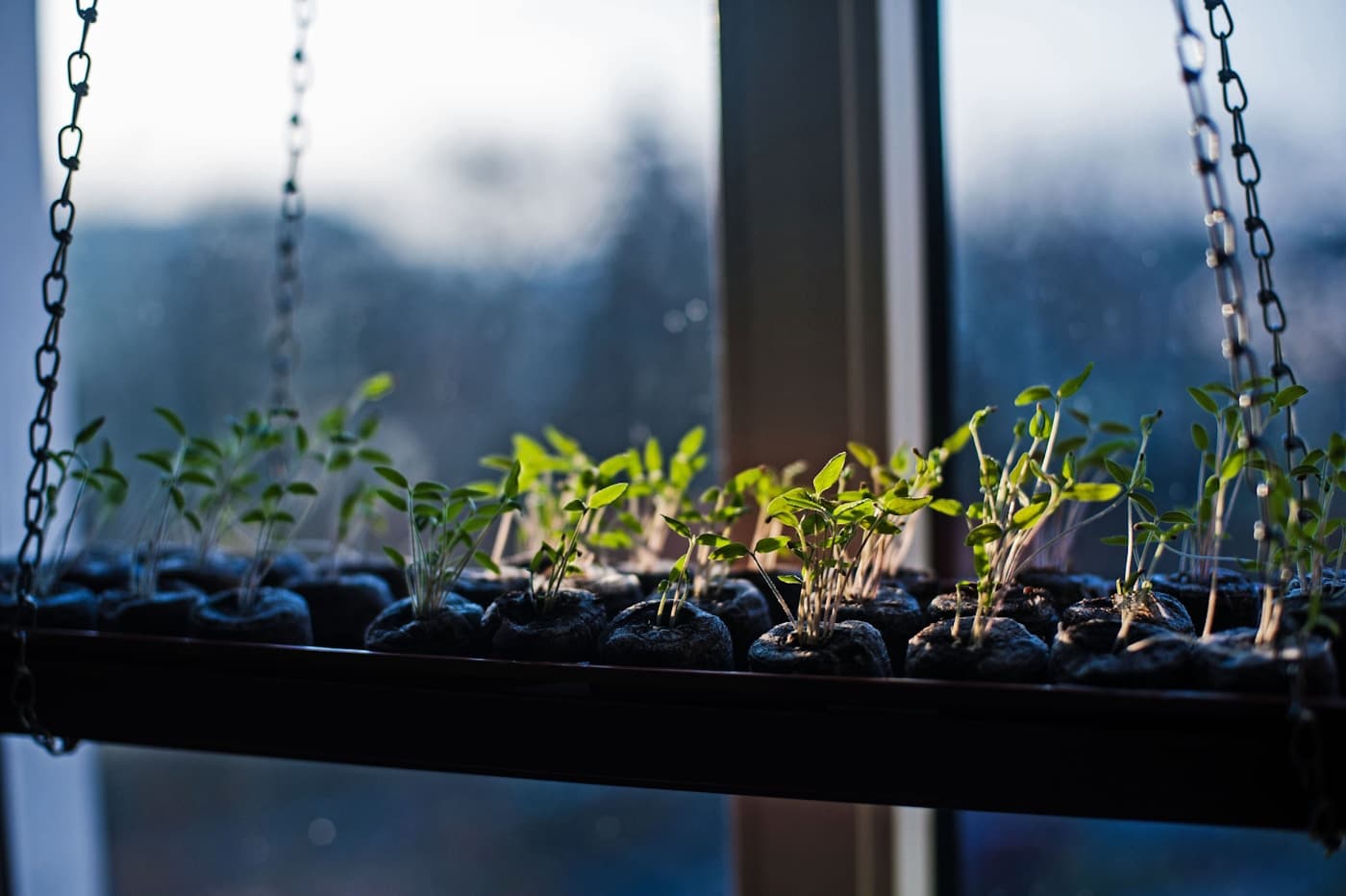
A seed tray is part of a system: lights, airflow, bottom watering, pot-up timing, and outdoor transplant windows. That is why this guide ranks trays by crop fit, cell size, durability, and workflow instead of pretending one tray works best for everyone.
- Pick cell volume based on time indoors and crop vigor.
- Use standard tray systems so replacement parts stay easy to find.
- Check cell depth and drainage against what you are actually sowing before you buy a stack.
These references inform the selection criteria, safety notes, and growing context in this guide.
Quick answers before you buy or upgrade anything
These are the questions that usually come up when growers translate general advice into one buying decision.
Are 72-cell trays good for tomatoes and peppers?
They can be, especially if your seedlings move outside on schedule or you plan to pot up. If spring runs late, larger cells often give you more margin before roots get crowded.
Do home gardeners need humidity domes?
Usually only for germination. Once seeds sprout, good airflow matters more than keeping seedlings under a dome.
Should I buy reusable or disposable trays?
If you start vegetables every season, sturdier reusable trays usually pay off in reliability and easier handling. For a one-off experiment, cheaper trays may be enough.
What is the advantage of removable inserts?
They make it easier to separate varieties, lift only the seedlings that are ready, and replace one damaged insert without rebuilding the entire tray system.