Organic feeding works best when it starts with soil condition and crop demand, not product hype.
Compost improves the baseline, but heavy-feeding vegetables may still need supplemental fertility.
Too much fertilizer can cause as many problems as too little, especially in containers and young transplants.
Start with soil, not the bag label
Organic fertilizer decisions should begin with what the soil already has and how your crops actually perform. University extension guidance consistently recommends soil testing because home gardeners tend to over-fertilize, especially when beds already receive compost or manure-based amendments.
That does not mean you need a lab result before every planting. It means the best long-term feeding strategy comes from understanding the baseline rather than piling on fertilizer every time a plant looks pale.
- Use soil tests periodically to avoid chronic overfeeding.
- Treat compost and fertilizer as separate jobs: soil building and nutrient delivery.
- Do not assume every garden bed is automatically low in nutrients.
What organic fertilizer is actually trying to do
Organic fertilizers release nutrients more gradually than many synthetic products, often through biological activity in the soil. That slower rhythm can work well for vegetables, but it still needs to be matched to crop demand. Heavy feeders like tomatoes, peppers, corn, and brassicas ask more from the system than herbs or short-turn greens.
The point is not to memorize numbers on a bag. It is to understand whether you are building general fertility, supporting transplants through establishment, or side-dressing a crop that is already growing and fruiting.
- Use base fertility for general soil support and side-dress only where the crop load justifies it.
- Heavy-feeding fruiting crops often need more support than herbs or quick salads.
- Timing matters as much as the product itself.
Compost, balanced blends, and side-dressing each have different jobs
Finished compost improves structure, moisture handling, and the soil food web, but it is not always enough as the only nutrient source for long-season heavy feeders. Balanced organic vegetable blends can help cover broader nutrient demand, especially when used before planting or as a light side-dress later.
Side-dressing works best when the crop is actually growing and asking for more. Applying extra fertility to cold, waterlogged, or recently transplanted vegetables often creates more salt and stress without solving the real problem.
- Use compost to improve soil quality and balanced blends to fill nutrient gaps.
- Side-dress only when the crop is established and actively growing.
- Do not treat fertilizer like emergency medicine for every symptom.
Container vegetables need a different feeding rhythm
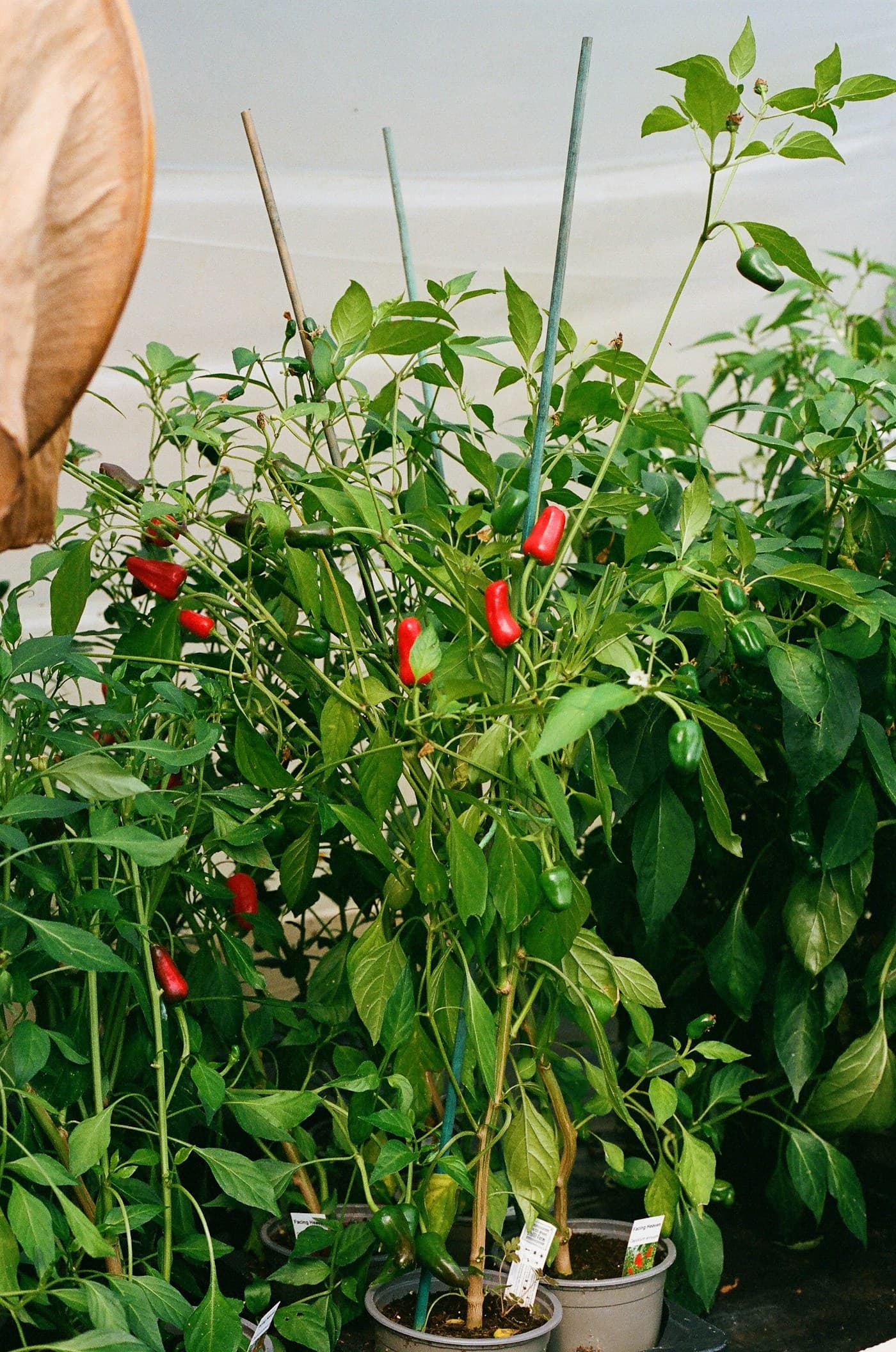
Containers lose nutrients faster because water moves through a limited volume of potting mix. That is why peppers, tomatoes, and cucumbers in pots often need lighter but more regular feeding than the same crops in rich garden soil.
The fix is not to feed heavily all at once. It is to use a measured schedule that supports steady growth without pushing weak, overly lush foliage.
- Use smaller, steadier feedings in containers rather than big doses.
- Check whether the plant is actually rooted and growing before adding more fertilizer.
- Container stress from drying out can mimic nutrient hunger.
What to avoid when feeding vegetables organically
The biggest mistake is feeding stressed plants without diagnosing the real cause first. Yellow leaves, slow growth, and blossom-end rot are often blamed on nutrient shortage when the real issue is timing, cold weather, water stress, or root trouble.
Another common error is stacking too many organic inputs at once. Compost, manure products, liquid feeds, granular blends, and 'boosters' can add up quickly, especially in beds that are already fertile.
- Avoid repeated feeding without checking soil moisture, timing, and crop demand first.
- Avoid mixing multiple fertility products just because each one sounds beneficial.
- Avoid treating every vegetable bed the same regardless of crop type and season length.
If the root problem is timing or water, more fertilizer is not the answer
Home growers often feed vegetables because the leaves look weak. But vegetables in cold soil, wet roots, or transplant shock usually need better conditions first, not more nutrients.
- Check timing, soil condition, and moisture before you correct nutrition.
- Use soil tests and crop demand to keep organic feeding honest.
- Let compost improve the soil while fertilizer supports the crop at the right moment.
The guidance here draws on the references listed below.
Quick answers before you head back outside
These are the questions that usually come up once the guide turns into real garden work.
Is compost enough fertilizer for vegetables?
Sometimes for lighter-feeding crops, but often not for heavy-feeding vegetables over a long season. Compost builds soil well, but some crops still need additional nutrients.
Can you over-fertilize with organic fertilizer?
Yes. Organic does not automatically mean harmless. Too much can still create salt buildup, weak lush growth, or nutrient imbalance, especially in containers.
What vegetables need the most fertilizer?
Fruiting crops such as tomatoes and peppers, and many large leafy or heading crops, usually need more fertility than herbs or short-turn greens.
Should I fertilize seedlings right after transplanting?
Usually not heavily. Newly transplanted vegetables first need to root into the surrounding soil. Strong feeding too early can add stress if the roots are not ready.
Products to consider
As an Amazon Associate I earn from qualifying purchases.
These products support the garden jobs covered above. If you buy through a link, GrowerBuddy may earn a commission at no extra cost to you.
The price tier is a rough guide to where this product usually sits in its category, not a live price. Check Amazon for the current price and availability.

Rapitest Soil Test Kit
Test before feeding so you only add what the soil is short on.
View on Amazon
Espoma Garden-Tone (18 lb)
A balanced 3-4-4 organic feed for mixed vegetable beds.
View on Amazon
Dr. Earth Organic 5 Tomato & Vegetable
A higher-phosphorus organic blend built for fruiting crops.
View on Amazon