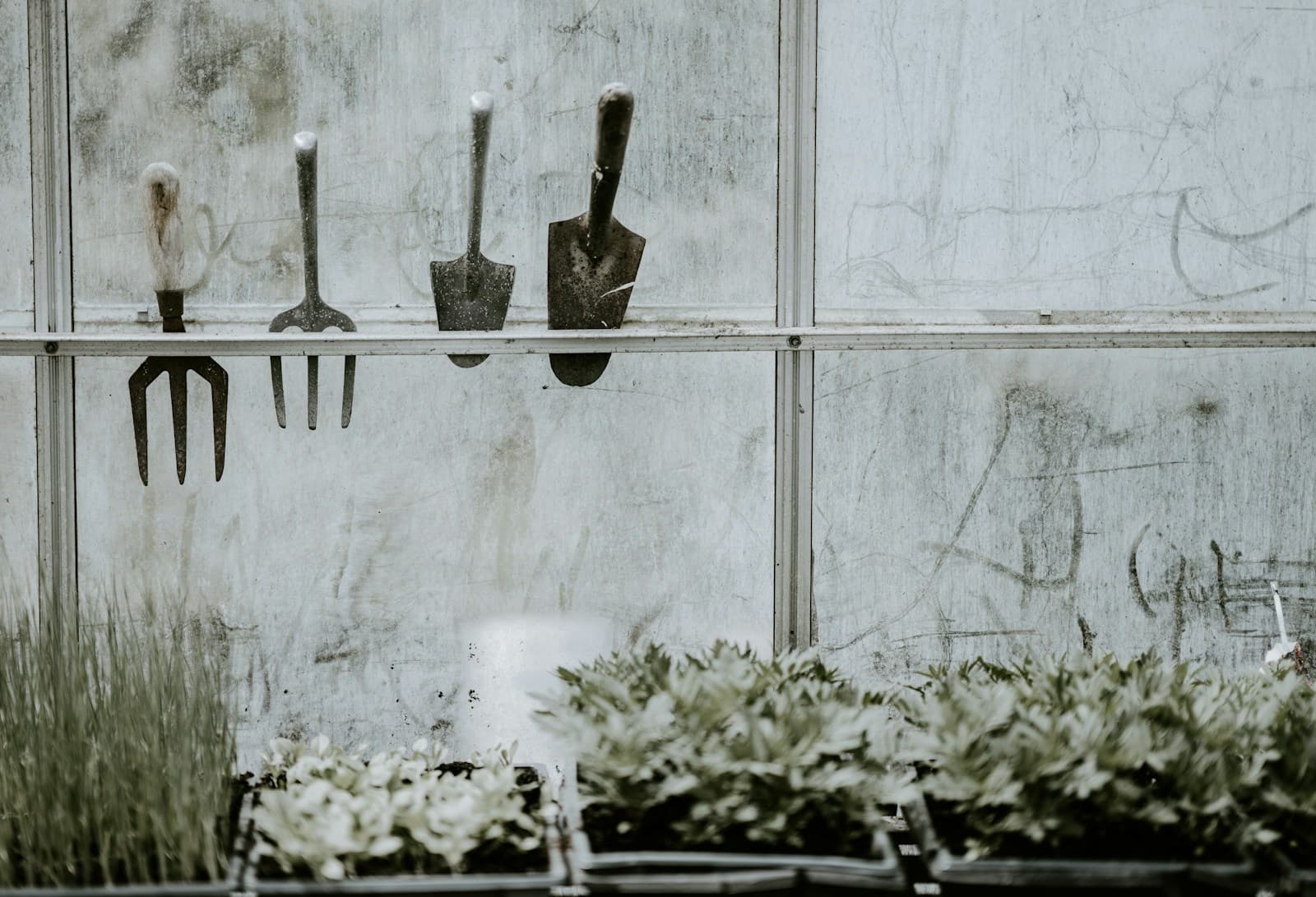
Raised beds reward a narrow, rigid trowel that can plant accurately without dumping half the bed onto the path.
Handle comfort matters more than a shiny finish once you are planting a full tray of seedlings.
Buy for strength, balance, and cleanability before you buy for branding.
Who this kind of trowel is actually for
Raised-bed growers usually need a trowel for repeated transplanting, light digging, compost side-dressing, and working around established roots in a confined space. That is a different job from heavy border renovation or deep digging in untouched clay. A good raised-bed trowel should feel precise rather than oversized.
If you mostly sow direct, a trowel is not your primary tool. But if you transplant tomatoes, peppers, lettuce, brassicas, or herbs every season, a strong hand trowel can become the one tool you reach for more than any other.
- Best for transplanting plugs, 4-inch starts, herbs, and small root balls.
- Less important if your garden is mostly broadfork, hoe, and direct-seed work.
- Especially useful when raised-bed spacing is too tight for larger digging tools.
The evaluation criteria that matter most
Blade stiffness is the first filter. In raised beds, you often pry gently around roots, slice through composted mulch, or widen holes in soil that has settled tighter than expected. Thin blades flex early and lose accuracy. A rigid stainless or carbon-steel blade is easier to control and tends to last longer under real use.
Handle design is the second filter. The best trowel is the one that feels stable in a gloved or sweaty hand without forcing your wrist into an awkward angle. Straight handles are simple and compact, while ergonomic or slightly flared grips can reduce fatigue for gardeners who do longer planting sessions.
- Prioritize rigid steel, clean welds, and a blade shape you can aim accurately.
- Look for grip texture and handle thickness that matches your hand size.
- Skip decorative measurements etched onto a weak blade if the steel feels flimsy.
What works best in raised beds
Raised beds usually reward a medium-length blade with a pointed or slightly rounded tip. A blade that is too wide disturbs more soil than necessary and becomes clumsy between established plants. A blade that is too short forces extra scoops when setting tomatoes or peppers deeper.
If your beds are heavily amended and friable, almost any decent trowel will work. If they contain root mats, old mulch, or compacted edges, you need a tool with enough rigidity to cut and pry lightly without twisting.
- Medium blade length usually gives the best balance of speed and accuracy.
- Choose narrower profiles for dense planting and wider ones for general transplanting.
- Raised-bed gardeners do not usually need oversized landscaping trowels.
What to avoid
A cheap trowel often fails in predictable ways: the blade bends, the handle loosens, the grip becomes slick, or soil packs into seams that are hard to clean. These are not minor annoyances. Once the blade twists, planting depth and hole shape become harder to control.
Another mistake is buying for novelty. Serrated edges, bottle-openers, and multi-tool features can be fine extras, but they should not distract from balance, comfort, and actual digging performance.
- Avoid flimsy stamped blades that visibly flex during light pressure.
- Avoid handles with poor texture if you garden in rain or with wet compost.
- Avoid oversized tools that force your wrist to work harder in tight spaces.
How to choose the right type without chasing brand hype
For most home growers, the best choice is a solid mid-range trowel with durable steel and a comfortable handle rather than the absolute cheapest or most premium option. If possible, test the grip in person. If not, read reviews specifically for comfort, handle durability, and blade rigidity under repeated planting work.
Use your garden as the buyer's guide. If you transplant constantly and side-dress by hand, spend more on comfort and durability. If you only use the tool for a few weekend jobs each spring, focus on blade quality and easy cleaning rather than premium branding.
- Buy for repeated use, not for occasional shelf appeal.
- Check whether replacement or matching hand tools are available if you want a consistent kit.
- Clean and dry the trowel after use so a good tool stays good longer.
Products worth considering
As an Amazon Associate I earn from qualifying purchases.
These products fit the needs covered above. If you buy through a link, GrowerBuddy may earn a commission at no extra cost to you.
The price tier is a rough guide to where this product usually sits in its category, not a live price. Check Amazon for the current price and availability.

Fiskars Ergo Trowel
Rigid stainless blade with a softgrip handle that stays comfortable through long transplanting sessions.
View on Amazon
Wilcox All-Pro 202S
Heavy-gauge stainless steel, narrow profile, and excellent leverage for dense raised-bed soil.
View on Amazon
Edward Tools Aluminum Trowel
Lightweight and affordable with an ergonomic handle — a solid starter trowel for casual growers.
View on AmazonCriteria first, product names second
The recommendation here is based on how raised-bed gardeners actually use a hand trowel: repetitive transplanting, accurate digging in confined spaces, and easy cleanup after wet soil or compost. That is why the criteria matter more here than naming one trowel as universally best.
- Weight blade rigidity, handle comfort, and cleanability above novelty features.
- Use raised-bed soil conditions, crop spacing, and session length as the buying lens.
- Hold the handle and check the blade width in your hand if you can: fit matters more than the brand name.
These references inform the selection criteria, safety notes, and growing context in this guide.
Quick answers before you buy or upgrade anything
These are the questions that usually come up when growers translate general advice into one buying decision.
Is stainless steel better than carbon steel for a garden trowel?
Stainless steel is usually easier for home gardeners because it resists rust and cleans up more easily. Carbon steel can be very strong, but it rewards gardeners who are willing to clean and dry tools consistently.
Do I need measurement marks on a trowel for raised beds?
They can be helpful for bulbs or repeat planting depth, but they are secondary. A rigid blade and comfortable grip matter more in day-to-day vegetable gardening.
What blade shape is best for raised beds?
A medium, pointed or slightly rounded blade tends to be the most versatile because it opens precise holes without disturbing too much surrounding soil.
How often should I clean a garden trowel?
Ideally after every session, especially if it touched diseased soil, wet compost, or sticky clay. Clean tools work better and last longer.