Start by asking which leaves turned yellow first
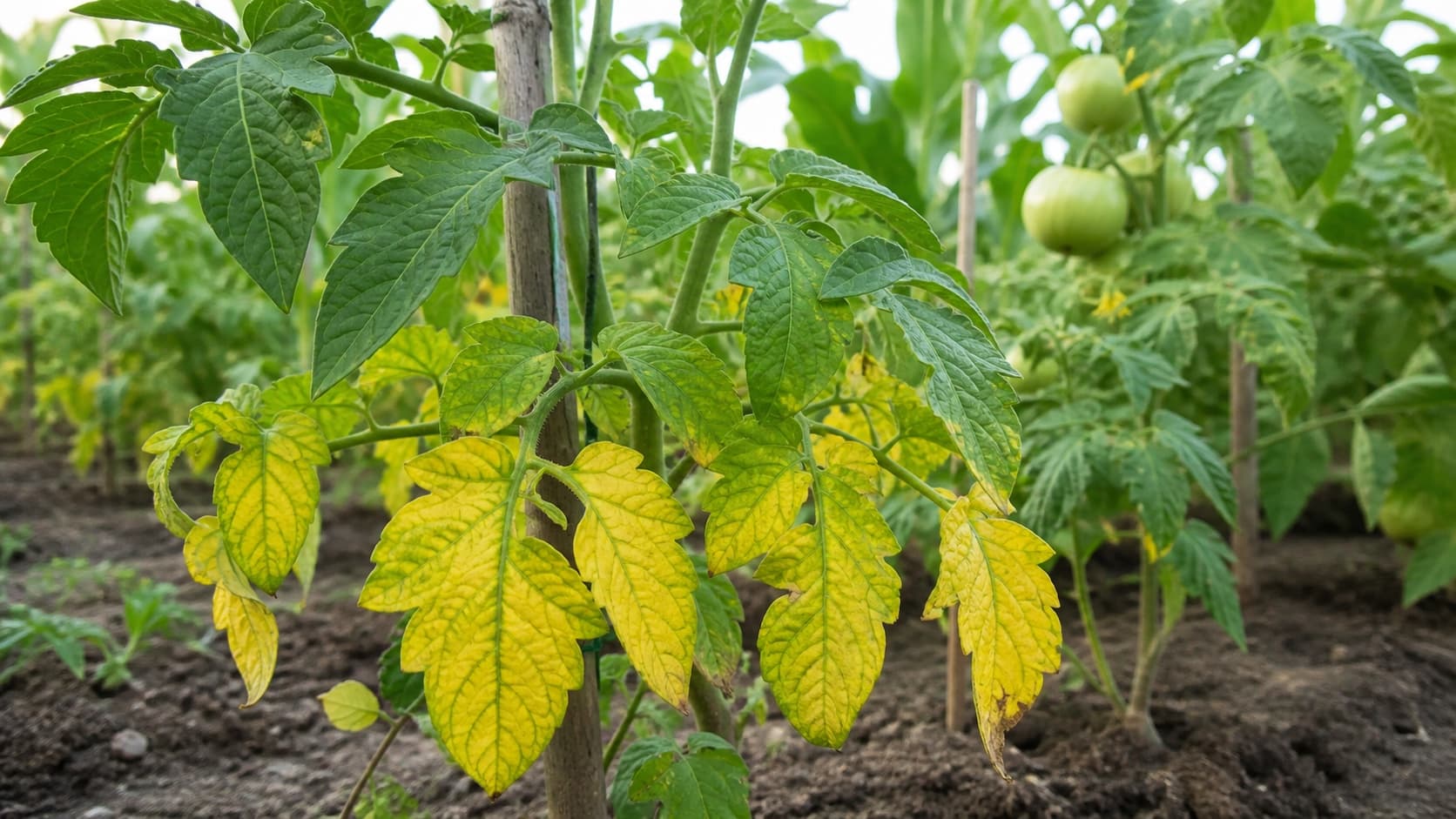
Lower leaves yellowing first usually points to age, watering stress, or a plant that is struggling to move nutrients evenly. Brand-new growth paling first is a different signal and often deserves a closer look at root stress, cold soil, or a broader feeding problem.
That first pattern matters because many gardeners treat all yellowing the same way. They add fertilizer when the roots are actually waterlogged, or they cut off large amounts of foliage when the plant mainly needs warmer weather and steadier moisture.
- Older lower leaves first usually means a slower-moving stress, not instant plant collapse.
- Newest leaves paling first is more urgent than a few aging leaves near the base.
- One-sided yellowing can also come from physical damage, wind exposure, or stem injury.
If tomato leaves are turning yellow after transplanting, timing may be the real issue
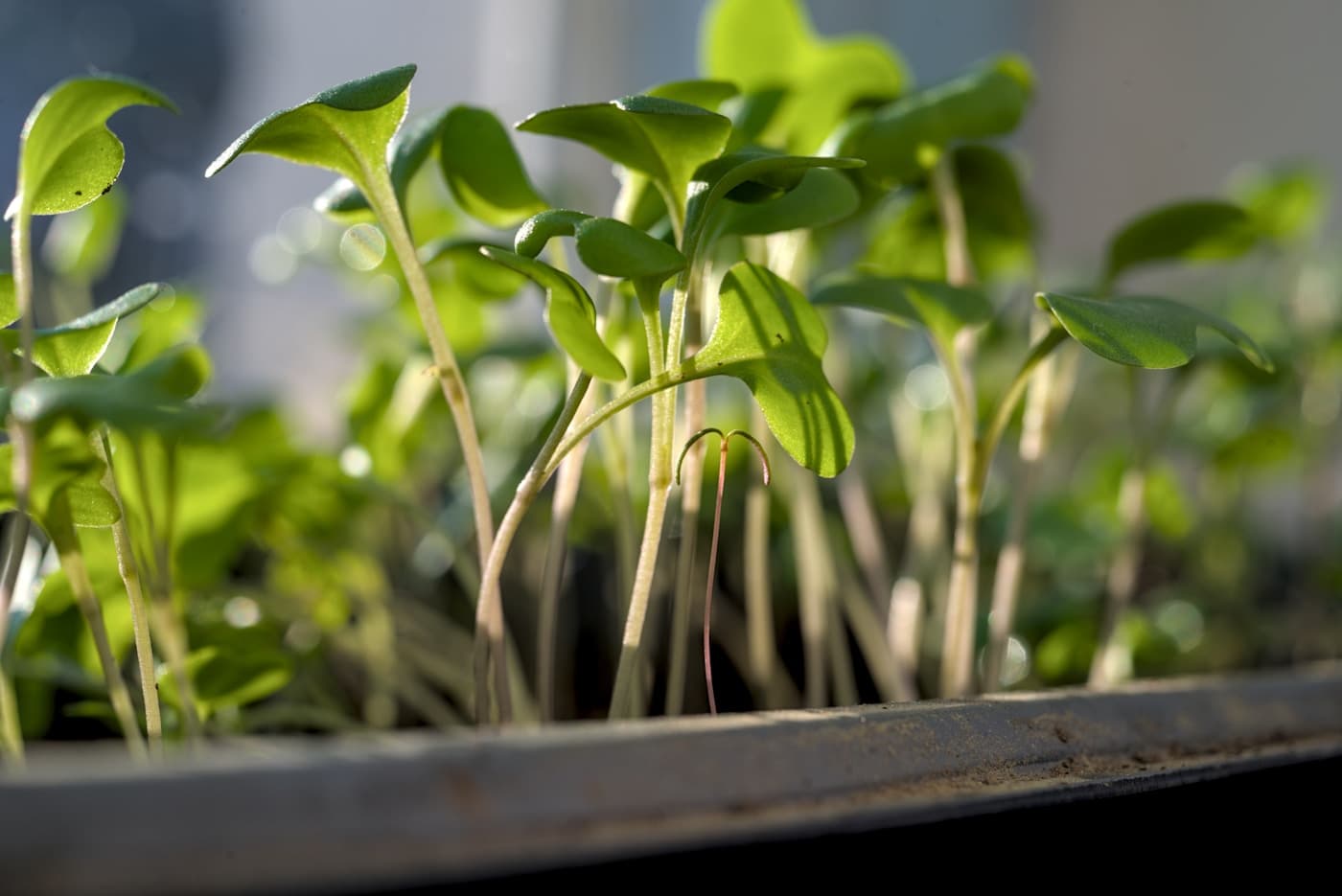
Tomatoes often yellow right after planting out because the roots are adjusting to colder, rougher conditions than they had in trays, pots, or a greenhouse. Even healthy transplants can pause, pale slightly, or drop a few lower leaves when the outdoor root zone is cooler than expected.
This is why transplant timing matters so much. If the plant went out a little early, saw windy weather, or sat through several chilly nights, the yellowing may be more about recovery speed than a nutrient shortage or disease outbreak.
- Yellowing that starts soon after transplanting is often weather-related before it is feeding-related.
- New growth matters more than the oldest stressed leaves from the first week outdoors.
- A plant that is still rooting in rarely wants heavy fertilizer right away.
Separate wet-root stress from nutrient hunger before you feed
Overwatered tomatoes and underfed tomatoes can both look pale, which is why growers so often misdiagnose yellow leaves. The difference is in how the soil behaves and how the plant feels: saturated soil, heavy containers, and limp dull leaves usually point to root stress first.
If the root zone has stayed cold and wet, fertilizer rarely fixes the real issue. In that situation the roots are not moving water and nutrients properly, so adding more feed can compound salt stress instead of correcting the yellowing.
- Check moisture a few inches down instead of judging only the dry-looking surface.
- Container tomatoes often yellow after repeated light watering that never lets roots breathe.
- Feed only after the plant resumes active growth and the mix is no longer staying soggy.
Cold nights and transplant shock can make tomatoes look worse than they are
Tomatoes slow down fast when nights stay cool, especially soon after transplanting. A plant that looked fine in a tray or greenhouse can yellow after landing in chilly soil because the roots are working harder just to recover than to push fresh top growth.
This is one reason tomato yellowing often clusters around planting season. The plant may not be sick at all. It may simply be reacting to a stretch of nights that are too cool, a windy site, or a root ball that has not yet started exploring the surrounding soil.
- Recent transplanting plus cool nights is a common explanation for temporary yellowing.
- Protecting young tomatoes from another cold snap matters more than aggressive pruning.
- If growth resumes and new leaves stay healthy, the plant often outgrows the setback.
What not to do when tomato leaves start turning yellow
The most common mistake is stacking fixes too fast. Gardeners often water more, feed more, prune hard, and start treating for disease in the same week, which makes it harder to tell what the original problem actually was.
A better approach is to slow down and remove the highest-risk mistakes first. Check moisture below the surface, protect the plant from another cold hit, and wait to see whether the newest growth improves before escalating.
- Do not assume yellow leaves automatically mean the plant needs more fertilizer.
- Do not keep the soil constantly wet just because the foliage looks stressed.
- Do not strip large amounts of foliage unless leaves are fully spent or clearly diseased.
When yellow leaves are mostly normal and when they are not
A few fully yellow lower leaves on an otherwise vigorous tomato plant are not unusual. As the plant grows taller and denser, some shaded older leaves near the base naturally fade out and can be removed once they are no longer doing useful work.
The concern rises when yellowing climbs steadily upward, reaches the newest growth, or comes with stunting, droop, spotting, or persistent cold wet soil. That combination suggests the problem is active and still affecting the plant's ability to recover.
- Normal aging stays limited and does not keep racing through the plant.
- Rapid spread plus stalled growth deserves a root-zone and weather check first.
- Do not strip lots of yellowing leaves at once if the plant still needs foliage for recovery.