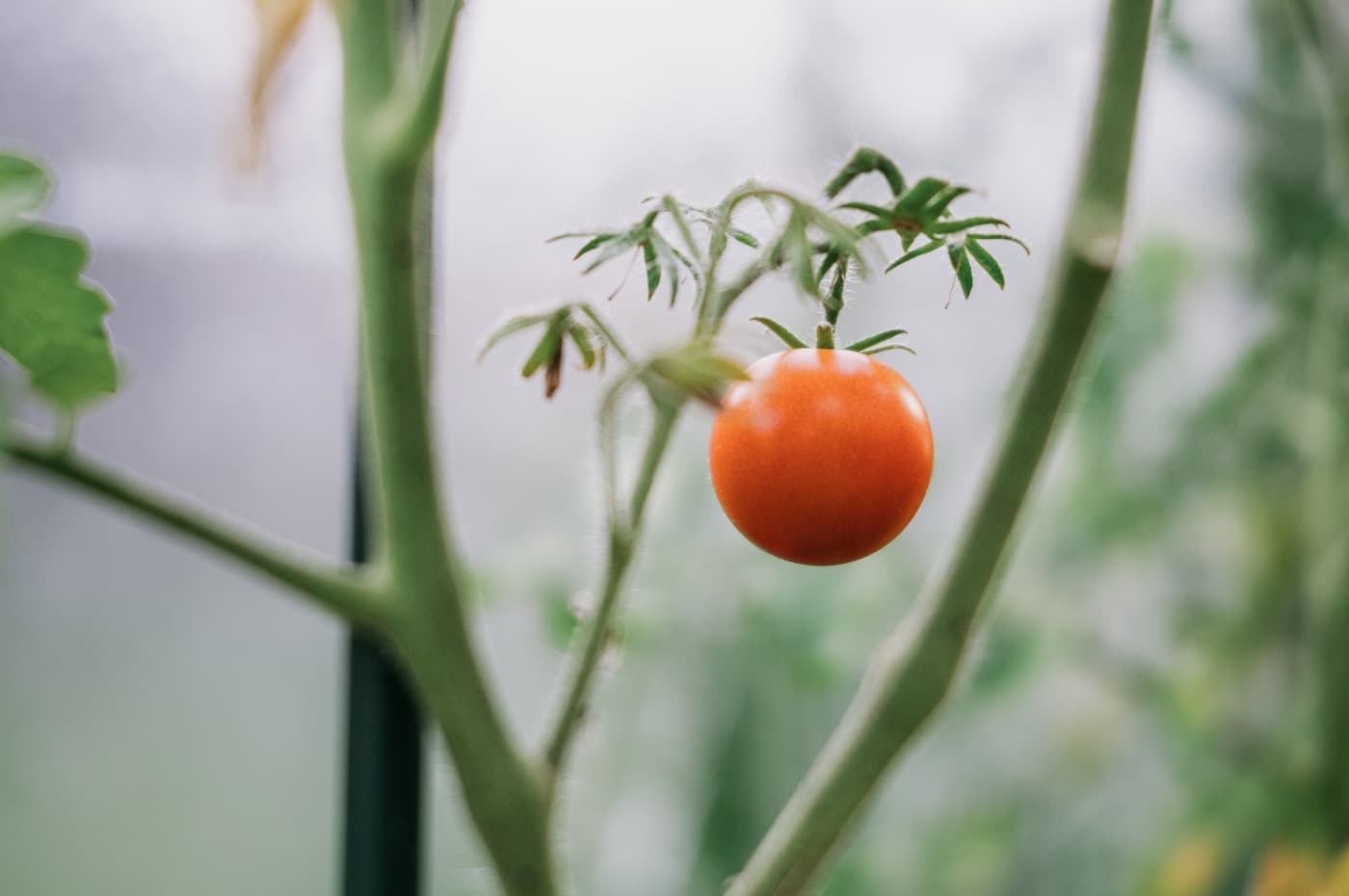
Wait for truly warm planting weather instead of forcing tomatoes into cold spring soil.
Use cages or stakes early so heavy clusters do not drag plants to the ground later.
Keep watering steady and mulch the root zone to reduce cracking and blossom-end rot pressure.
Start with strong seedlings and a realistic planting date
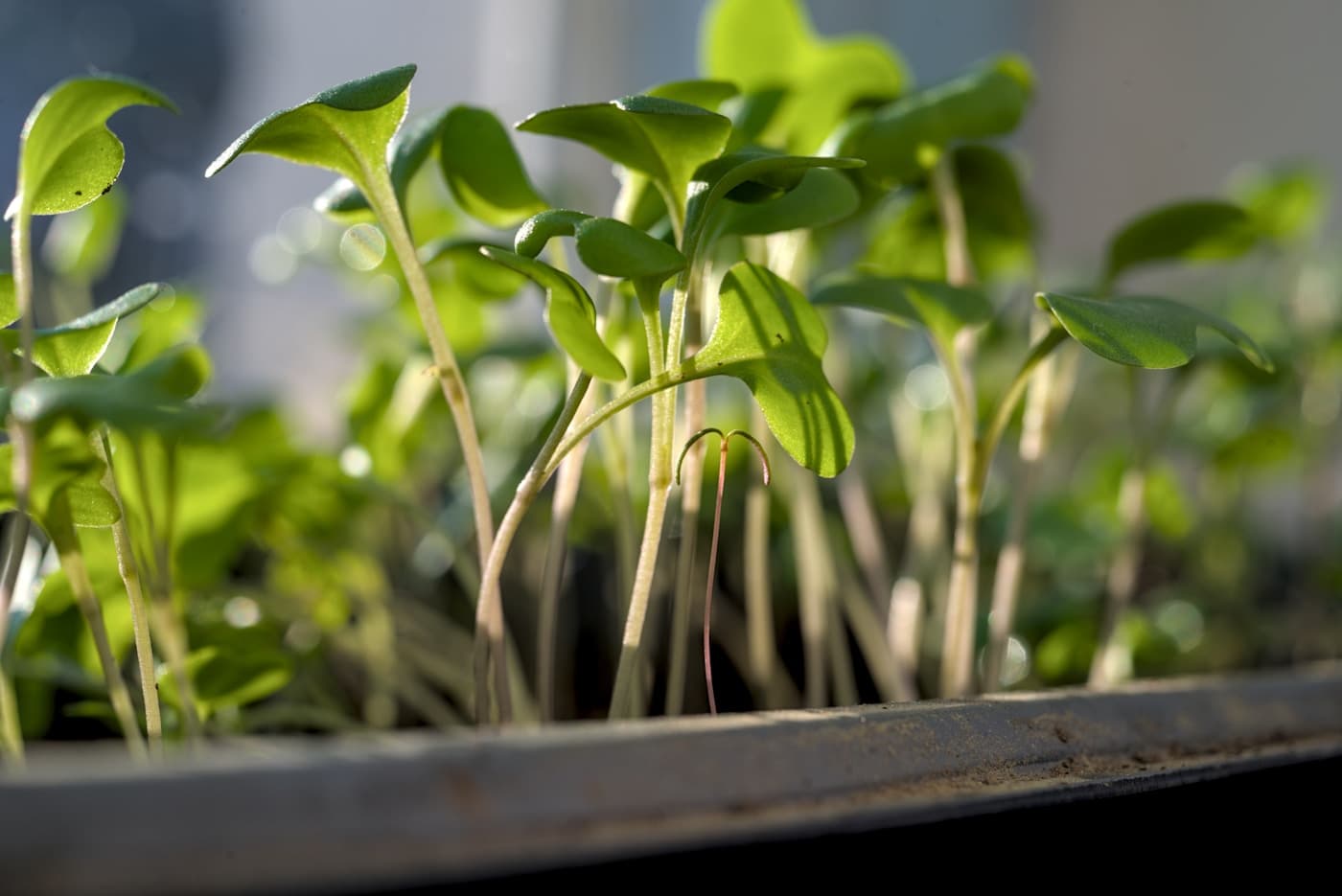
Roma tomatoes reward growers who resist rushing. If you start seed indoors, count backward from the outdoor date you actually expect to plant, not from the first warm afternoon in spring. Most home growers do well starting Roma tomatoes roughly 6 to 8 weeks before the local transplant window, then holding them in bright light until nighttime temperatures settle.
If you buy transplants, choose squat, dark-green plants with sturdy stems instead of the tallest ones on the rack. Oversized seedlings that have been sitting in small cells too long often stall after planting because the roots are already crowded and the stems are softer than they look.
- Avoid leggy seedlings with pale leaves or flowers already open in the tray.
- Plan to harden off indoor starts for about a week before planting out.
- Keep a backup week in your schedule in case a cold snap shows up late.
Pick the warmest productive spot in the garden
Roma tomatoes need a spot that receives full sun for most of the day, with good air movement and soil that drains instead of staying sticky after rain. The plants can survive in mediocre locations, but they only set and ripen heavily when the site is warm, bright, and not crowded by larger crops.
Raised beds, in-ground rows, and large containers can all work, but the soil should be improved before planting. Mix in finished compost, break up surface crusting, and water the bed the day before transplanting so the root ball meets evenly moist soil instead of a dry pocket surrounded by mud.
- Full sun matters more than squeezing one more plant into a shaded corner.
- Skip low spots where cold air settles and spring soil stays wet.
- If you rotate crops, avoid planting tomatoes where tomatoes, peppers, or eggplants grew last season.
Plant deep, mulch early, and support before the vine gets heavy
Set Roma transplants deeper than they were in the pot, burying part of the stem if it is long enough. Tomatoes root along buried stems, which helps them anchor and pull in water during summer heat. Water each transplant in deeply, then let the soil settle before adding mulch.
Support is easier to install on day one than after the branches spread. Roma plants can look compact early, but once fruit clusters build weight, unsupported stems split or rest on damp soil. A sturdy cage, stake-and-tie system, or short Florida-weave style support all work as long as they go in before the plant needs rescuing.
- Use straw or shredded leaves as mulch once the soil has started warming.
- Keep mulch an inch or two away from the stem to prevent rot.
- Tie stems loosely so they can thicken without getting strangled.
Feed and water for steady growth instead of feast-or-famine swings
Roma tomatoes do best with deep, even watering. Letting the plant wilt hard and then drenching it can lead to cracking, blossom-end rot, and fruit that ripens unevenly. A better rhythm is to water thoroughly when the top layer dries, then check again before the plant becomes stressed enough to fold its leaves in midday.
Feeding should stay moderate and consistent. Too much nitrogen pushes soft leafy growth and delays fruit production. A balanced tomato fertilizer or compost-supported feeding program usually works better than repeated heavy doses. Once plants are flowering and fruiting, watch for strong green growth with actual fruit set, not just size.
- Aim for soil moisture that feels cool and slightly damp several inches down.
- Container-grown Romas usually need more frequent watering than in-ground plants.
- Fertilize lightly but regularly rather than applying oversized doses all at once.
Manage the crop through flowering, ripening, and harvest
As the season moves on, remove only the leaves or stems that are actually in the way, damaged, or lying against the soil. Home growers often over-prune paste tomatoes and accidentally reduce shade around the fruit. The goal is airflow and clean growth, not stripping the plant bare.
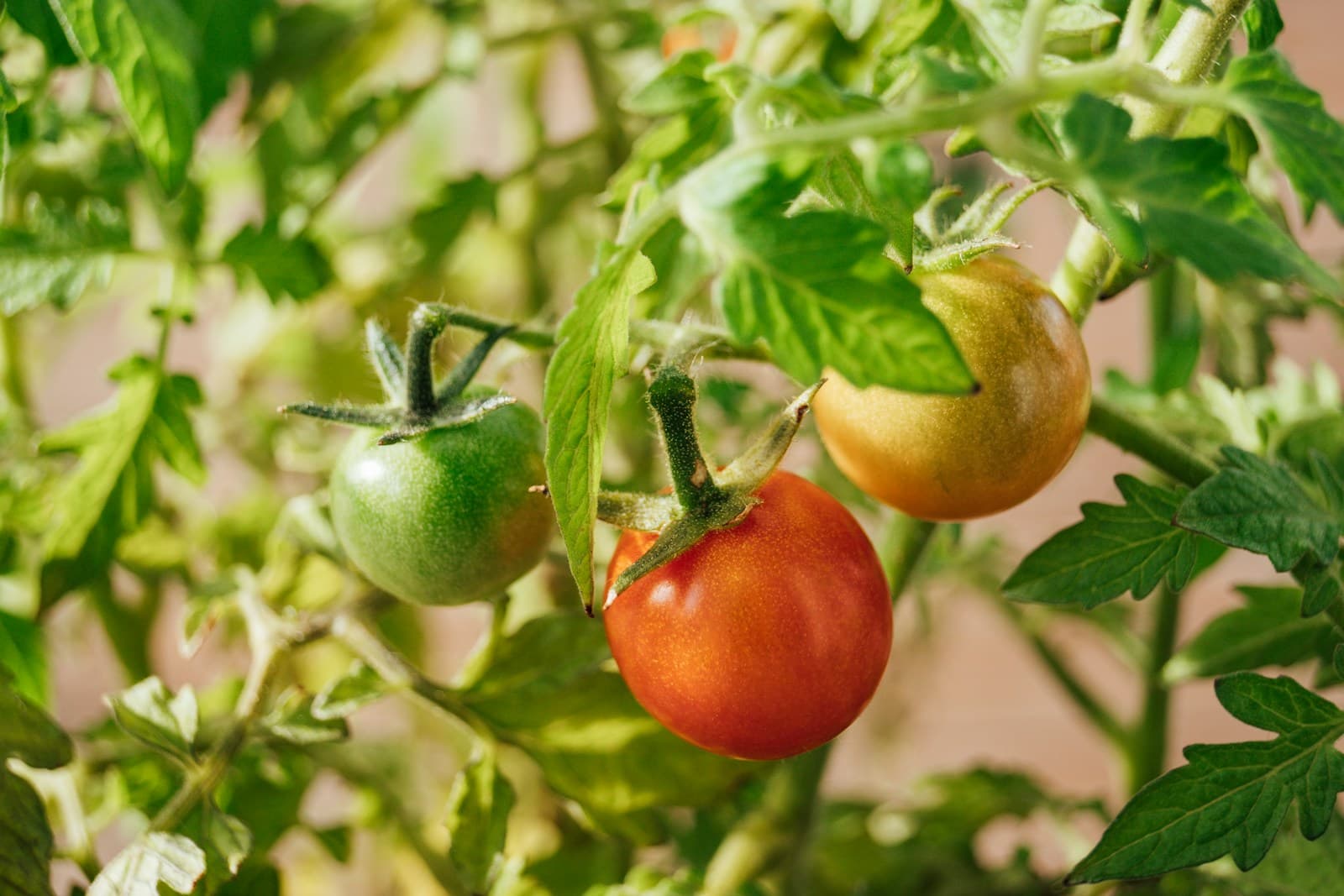
Harvest Roma tomatoes when they reach full color and have a firm but slightly yielding feel. Frequent picking keeps plants producing, and it is better to bring fruit inside before a stretch of rough weather than to lose clean tomatoes to splitting, chewing damage, or sunscald.
- Check plants twice a week once fruit begins to color.
- Remove damaged lower foliage to keep airflow open near the soil surface.
- If a cool spell is coming, harvest blush fruit and finish ripening indoors.
Cold soil and inconsistent watering cause more Roma problems than lack of fertilizer
When Roma tomatoes look stalled, many growers reach for more feed. More often, the real issue is a plant that went into cold soil too early or a watering rhythm that swings between bone dry and soaking wet.
- Delay planting if the bed is still chilly, sticky, and slow to warm after rain.
- Water deeply, then recheck before the root zone dries out completely.
- Use mulch to smooth out moisture swings once the bed has warmed.
The guidance here draws on the references listed below.
Quick answers before you head back outside
These are the questions that usually come up once the guide turns into real garden work.
Do Roma tomatoes need pruning?
They need light management, not aggressive pruning. Remove damaged lower leaves and any growth pressed into the soil, but leave enough foliage to shade fruit and keep the plant productive.
Can I grow Roma tomatoes in containers?
Yes, if the container is large enough and you stay on top of watering. Use a roomy pot, support the plant early, and expect to water more often than you would in a raised bed.
Why are my Roma tomatoes getting blossom-end rot?
It usually starts with uneven water supply or stressed roots, not a simple lack of calcium in the bagged fertilizer. Keep soil moisture more even and avoid letting containers dry down too hard.
How long do Roma tomatoes take to ripen after planting?
It depends on the variety and weather, but home growers often see the first ripe fruit several weeks after flowering starts. Warm, steady conditions shorten the wait more than extra fertilizer does.
Products to consider
As an Amazon Associate I earn from qualifying purchases.
These products support the garden jobs covered above. If you buy through a link, GrowerBuddy may earn a commission at no extra cost to you.
The price tier is a rough guide to where this product usually sits in its category, not a live price. Check Amazon for the current price and availability.