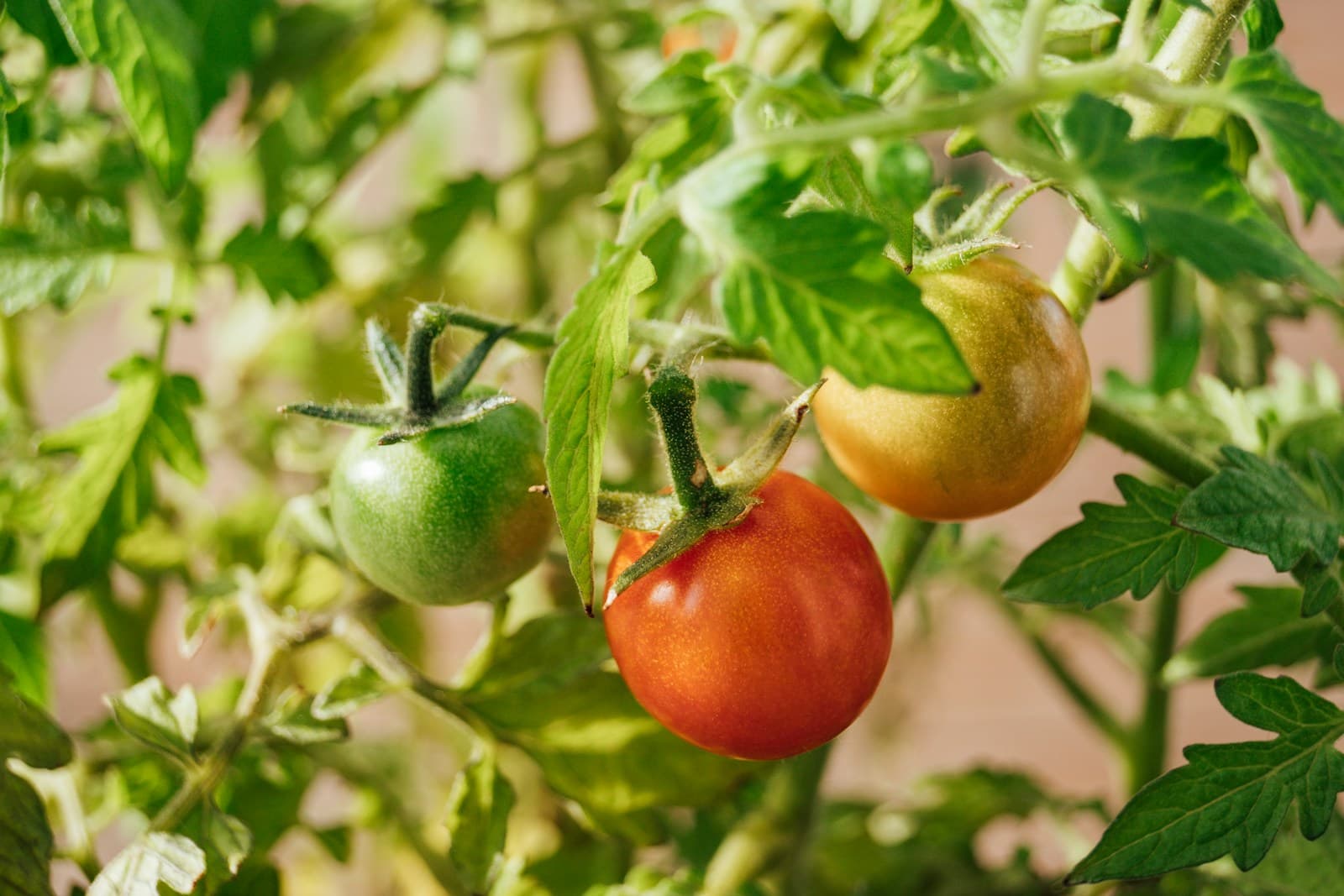
Container tomatoes succeed when the variety matches the root room, not just the flavor goal.
Compact and determinate types are easier to water and support on patios.
Large-fruited indeterminate tomatoes can work in containers, but only with genuinely large pots and steady care.
Start with growth habit, not just fruit type
The first question is whether the variety is determinate, indeterminate, dwarf, or patio-bred. Determinate and dwarf tomatoes stop at a more manageable size, making them easier to support and water in containers. Indeterminate tomatoes can also grow in pots, but they need more root room, stronger support, and closer watering discipline.
This is where many container mistakes begin. Gardeners choose a favorite slicing tomato without checking the plant habit, then try to force a high-vigor vine into a pot that would have been better for a compact paste or patio cherry.
- Choose plant habit first, then fruit size and flavor profile.
- Treat patio and dwarf labels as useful clues, not marketing fluff.
- Expect more management from large indeterminate varieties in containers.
Match the variety to the pot you are actually willing to use
A tomato variety is only a good container choice if the root system can live well in the pot size you have space to fill and water consistently. Smaller patio tomatoes can thrive in modest containers. Standard slicers and many paste tomatoes need substantially more room and dry down much faster if root volume is limited.
Be honest about the maintenance side. Bigger pots reduce watering stress, but they also weigh more and take more patio space. The best variety is the one that fits both the crop and the place where you will grow it.
- Compact plants tolerate medium containers better than full-vigor tomatoes.
- Bigger fruit usually means bigger root demand and stronger support needs.
- Do not choose by photo alone if the pot size is fixed and small.
Use your climate and timing to narrow the list
Shorter seasons, windy balconies, and cooler nights all push the decision toward earlier, more compact varieties. Long hot summers create more room for larger-fruited container tomatoes if watering and feeding stay steady. Patio growers often benefit from earlier varieties because they set and ripen within a more forgiving window.
Timing also affects variety choice. If your warm season arrives late or stays interrupted, a compact earlier tomato can outperform a bigger late variety simply because it gets into production before stress stacks up.
- Earlier varieties usually give patio growers a wider margin for error.
- Hot sunny sites can handle larger plants if watering is disciplined.
- Cool, exposed, or short-season sites reward compact and earlier tomatoes.
The variety groups that usually work best
Cherry and saladette tomatoes are often the easiest container choice because they set heavily, ripen steadily, and adapt well to compact breeding. Dwarf tomatoes can also be excellent for growers who want fuller-sized fruit on shorter plants. Paste tomatoes can work if the container is large enough and the grower is ready for heavier feeding and support.
Large slicers are the most demanding category in containers. They are not impossible, but they ask more from pot size, stake strength, and watering consistency than most beginners expect.
- Cherry, saladette, and dwarf varieties are the easiest place to start.
- Paste tomatoes are possible but less forgiving in undersized pots.
- Full-size slicers belong only in genuinely roomy, well-managed containers.
What to avoid when choosing a container tomato
Avoid choosing a variety only because it is familiar from in-ground gardens. Containers change the rules. They shrink the moisture buffer, limit root exploration, and make every mismatch between plant size and pot size visible much faster.
Also avoid assuming one container tomato is universally best. The right choice depends on whether you want early snacking fruit, sauce tomatoes, fewer but larger harvests, or the easiest possible patio crop.
- Do not pick a variety before deciding the final container size.
- Do not assume indeterminate tomatoes are the best choice for all patios.
- Do not underestimate support and watering needs once fruit loads build.
Choose the plant that fits the pot, not the tomato you wish the pot could hold
Container tomato success is mostly about fit. When the variety, final size, and maintenance level match the container system, the plant feels easy. When they do not, the season becomes a string of rescue jobs.
- Let container size and sun exposure eliminate the wrong varieties early.
- Use compact or dwarf types if you want lower daily maintenance.
- Save large vigorous vines for growers who truly have the pot volume and support.
The guidance here draws on the references listed below.
Quick answers before you head back outside
These are the questions that usually come up once the guide turns into real garden work.
Are cherry tomatoes the best tomatoes for containers?
Often, yes. Many cherry and saladette varieties adapt very well to container life because they produce heavily on plants that are easier to manage than full-size slicers.
Can Roma tomatoes grow in containers?
Yes, but they need a roomy container and steady watering. Paste tomatoes can be productive in pots when root space and support are not undersized.
What tomato size is easiest for a patio gardener?
Compact determinate, dwarf, and patio-bred varieties are usually the easiest because they fit smaller spaces and demand less extreme support.
Do indeterminate tomatoes always fail in containers?
No, but they are less forgiving. They need larger pots, stronger support, and closer watering management than compact varieties.
Products to consider
As an Amazon Associate I earn from qualifying purchases.
These products support the garden jobs covered above. If you buy through a link, GrowerBuddy may earn a commission at no extra cost to you.
The price tier is a rough guide to where this product usually sits in its category, not a live price. Check Amazon for the current price and availability.