When to Plant Tomatoes in My Zone: Dates & Weather Checks
When to plant tomatoes in my zone? Use your last spring frost date as a starting point: start seeds 6 to 8 weeks before the outdoor planting date you want, then plant outside after frost risk passes, when nights stay around 50°F (10°C) or warmer and soil reaches 60°F (16°C).
At a glance
- When to start seeds
- Start seeds about 6 to 8 weeks before the outdoor planting date you want.
- Night temperature
- Aim for nights around 50°F (10°C) or warmer; tomatoes settle in better as nights warm further.
- Soil condition
- Check about 3 inches down and wait for soil near 60°F (16°C) before moving seedlings outdoors.
- Best approach
- Start with when to plant tomatoes in my zone, then choose the day with real weather.
Three climates, three planting windows
Plants go outside in a different week in every climate, and the same countdown runs backward from each date. Find the band that matches where you grow, then use the three checks to pick the day.
Cool and short season
Who is in this band Zones 3, 4 and 5: short summers and late frosts.
Plants go outside
Early May to early June
- Start seeds
- Mid-March to early April, 6 to 8 weeks before the window
- What opens the window
- Soil near 60°F (16°C), nights above 50°F (10°C), and no frost in the 7-day forecast
- Either end costs you
- Planting in May without checking risks a late frost taking the transplants; waiting past early June can leave the season too short for a full crop.
Window after the RHS and Penn State Extension tomato guidance; the anchor is your own local last-frost date.
Standard season
Who is in this band Zones 6, 7 and 8: the common home-garden range.
Plants go outside
Mid-March to early May
- Start seeds
- Late January to early March, 6 to 8 weeks before the window
- What opens the window
- A run of nights above 50°F (10°C) and soil near 60°F (16°C), not one warm afternoon
- Either end costs you
- A warm March week invites an early planting; cold soil stalls the roots and sets the plant back further than waiting would have.
Window after the RHS and Penn State Extension tomato guidance.
Long and hot season
Who is in this band Zones 9 and 10: early springs and summers too hot to set fruit.
Plants go outside
Late February to mid-March
- Start seeds
- Early January to early February, 6 to 8 weeks before the window
- What opens the window
- The same night and soil checks; once spring passes, the limit is heat rather than frost
- Either end costs you
- Planting into summer heat gives poor fruit set. Miss spring and the better move is a second planting in late summer for a fall crop.
Window after the RHS and Penn State Extension tomato guidance; the fall second crop follows RHS tomatoes.
Start with these moves
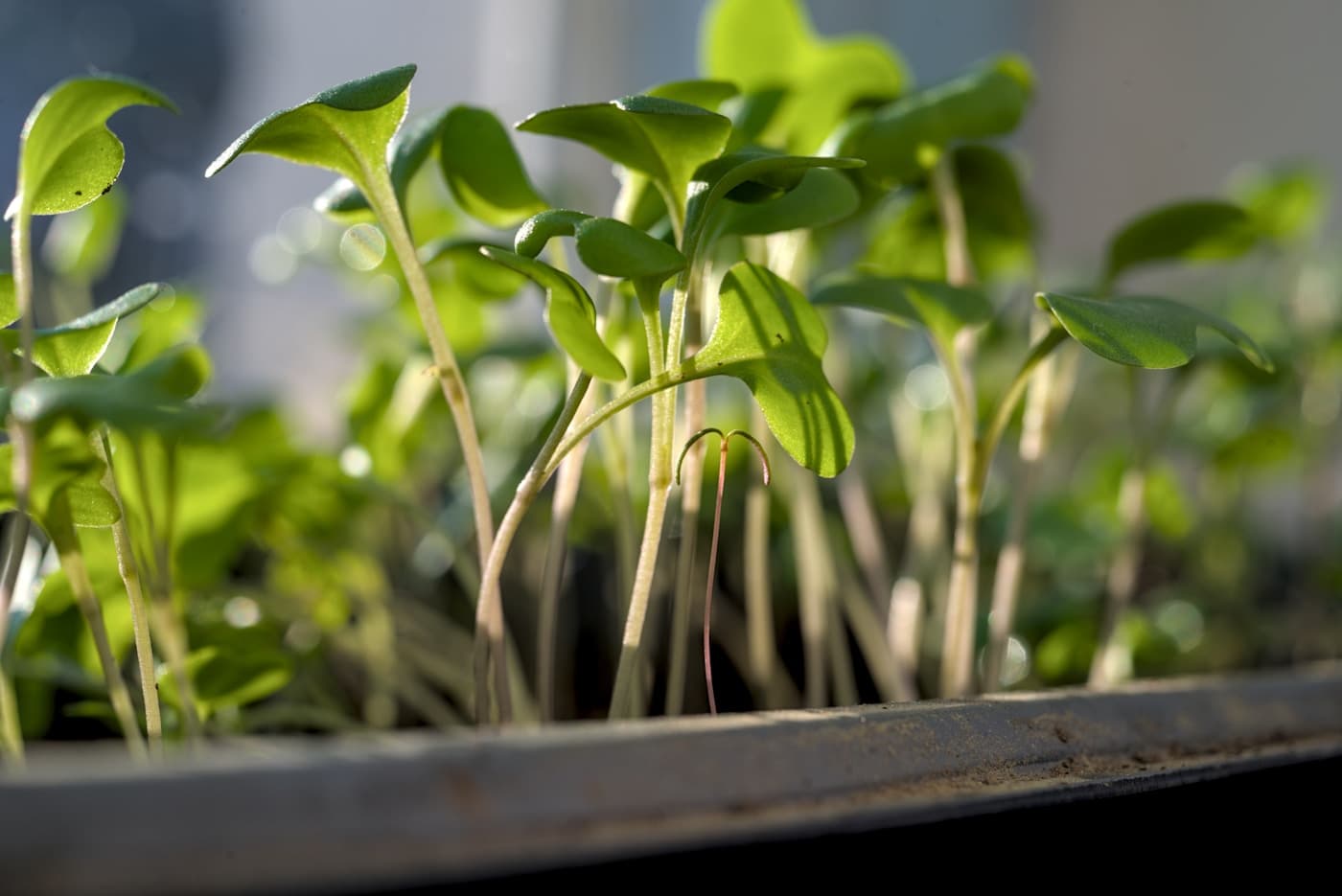
- 1. Use your local last spring frost date as a starting point: start seeds 6 to 8 weeks before your outdoor planting date, then wait for a warm period.
- 2. For a safer planting period, look for nights around 50°F (10°C) or warmer and soil near 60°F (16°C).
- 3. The best answer to when to plant tomatoes in my zone is the date backed by mild nights and a stable short-term forecast.
- 4. Work backward from the outdoor planting period so indoor seedlings are ready without becoming overgrown.
- 5. If conditions are close but not quite right, waiting one more week is usually better than forcing your plants.
The countdown to planting day
Every date here counts backward from the day the plants go outside. These are the stops between a seed and a settled transplant, in order, with the visible signal that says it is time for the next one.
6–8 weeks before
Start the seeds indoors
The plant
The seed takes up water and germinates at about 64°F (18°C), usually within a fortnight.
Your job
Sow into modules or small pots of moist seed-starting mix, keep the tray warm, and move it into your brightest spot the moment the first seedlings show.
Move on whenThe first true leaves open; from here light matters more than heat.
4–5 weeks before
Pot them on before they stall
The plant
Roots fill the module and the stem thickens; a plant left in a small cell yellows and stops growing.
Your job
Move each seedling into its own pot once it has a pair of true leaves, set it deeper than it was, and keep it at 60°F (16°C) or more in the best light you have.
Move on whenRoots hold the potting mix together when you slide the plant out.
7–10 days before
Harden them off
The plant
Leaves grown indoors have thin skins and scorch in direct sun, so the plant has to thicken before it meets wind and full light.
Your job
Take the plants outside for short spells in bright shade, then longer and into more sun each day, bringing them in or covering them when nights are still cold.
Move on whenStems stay upright and leaves stop wilting after a full day outside.
Planting day
Plant deep on a day the checks pass
The plant
A transplant settles fastest into warm, moist soil with its stem buried and its support already in place.
Your job
Water the pot before you plant, set the seedling so its first leaves sit just above the soil, water it in, and put the stake or cage in the same hour.
Move on whenThe plant stands without wilting through midday.
First two weeks
Even moisture, no fertilizer yet
The plant
New roots are reaching into the soil around them, and uneven moisture now is what splits fruit weeks later.
Your job
Water deeply when the surface starts to dry instead of a little every day, and wait for the first fruits to swell before feeding every 10 to 14 days. Mulch once the soil has warmed.
Move on whenNew leaves at the top and the first flower cluster opening.
Three checks before the plants go in
A zone window says which weeks are possible; it cannot say whether this week is. Run the three checks in order on the day, and keep the plants in their pots if one of them fails.
Nights
50°F (10°C)
Below a night near 50°F (10°C) tomato growth slows toward a stop; RHS sets the safe outdoor line at temperatures reliably above 16°C (60°F).
How to check
Read the overnight low in your local forecast, not the daytime high, and look for a run of warm nights, not one mild evening.
If it fails
Wait, and keep hardening the plants on in their pots. A week of warm nights is worth more than an early start in cold soil.
Soil
60°F (16°C)
Penn State Extension tomato guidance: wait for soil near 60°F (16°C) before setting plants outdoors.
How to check
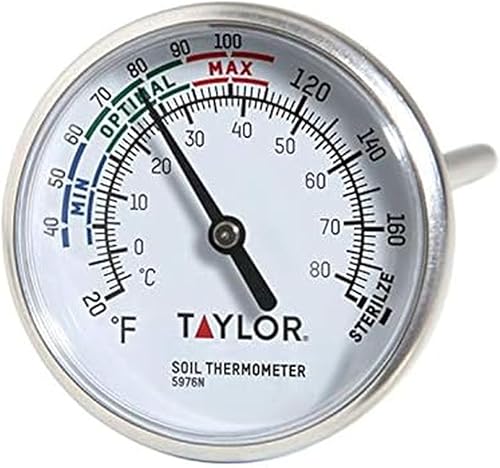
Push a soil thermometer about 3 inches down, in the morning before the sun warms the surface, and read the bed where the roots will actually sit.
If it fails
Wait and pre-warm the bed. A week of sun on bare soil moves the temperature more than covering ground that is still cold and wet.
Forecast
32°F (0°C)
RHS guidance is to plant out only after all risk of frost has passed; frost forms at 32°F (0°C), and one unprotected night at it kills a transplant.
How to check
Read the 7-to-10-day forecast for its coldest night. The question is not tonight, but whether the pattern holds once the plants are in the ground.
If it fails
Hold the plants back, or have frost cloth, buckets or row cover ready. One covered night is survivable; a week of cold that stops growth costs more.
If you planted early, late, or not at all
Mistimed planting recovers more often than it fails, and what the recovery looks like depends on what went wrong. Find the case that matches your garden.
You planted out too early
What you will see
The transplants stop growing and new leaves come out purple or pale, even before any frost touches them.
What to do
If the stems are still firm, leave them and wait for the next warm week; most recover without fertilizer. If frost blackened the tops, cut back to healthy tissue and keep watering — a plant that kept its crown regrows.
Your seedlings grew too big indoors
What you will see
Tall pale stems, roots circling the pot, and flowers opening before the plant has seen real weather.
What to do
Pot them on, bury the stem deeper, move the light closer and pinch the first flowers. A slightly smaller plant that goes out into warm weather beats a stretched one that has run out of root space.
You missed the spring window
What you will see
A July planting in a hot climate sets little fruit, and a late crop runs into the first autumn frost.
What to do
Buy transplants instead of starting seeds: the countdown only works backward from a date you still have. Choose a fast, small-fruited variety, and in zones 9 and 10 use the late-summer second window rather than planting into the hottest weeks.
Why the calendar date is not the planting date
A zone window is an average, and it is the average that fails in a real spring. Two gardens in the same zone can be a week or two apart when one bed is raised and drains freely and the other is heavy soil that stays cold after rain.
So the zone window is the start of the question, not the answer. It tells you which weeks are possible; the night, soil, and forecast checks tell you whether this week is one of them. That order matters, because the plants cannot tell the difference between a date on a chart and a date in the ground.
- A raised bed dries and warms faster than the same soil at ground level.
- A week of cold rain can undo two weeks of warm afternoons.
- An average last frost date is a midpoint, not a guarantee.
What cold nights and cold soil do to a tomato plant
Tomatoes are tender, and the first cost of planting early is not death — it is a stall. Growth slows below about 50°F (10°C), and a young transplant in cold ground sits there instead of rooting into it. Purple-tinged leaves and stems on a new transplant are the visible version: the plant is not dead, but it is not working either.
Cold soil is the slower half of the same problem. Roots grow out of warmth, so a plant set into soil under 60°F (16°C) spends its first weeks re-establishing instead of building leaves. That is the ground a plant started too early loses, and the reason a later planting often overtakes it.
- Cold stalls growth; frost kills tissue. The two failures need different responses.
- A transplant's roots need warm soil more than its leaves need warm air.
- Hardening off is what keeps indoor-grown leaves from scorching in their first real sun.
The first week after planting
A new transplant has one job in its first week: reconnecting to the soil. Water it deeply at planting and keep the root zone evenly moist after that, not with a little water every day. A plant in a container is the exception — in hot weather a pot can need water daily, because it dries far faster than a bed.
Hold the fertilizer until the first fruits start to swell, then feed every 10 to 14 days. Set the support on planting day, before the roots spread. Mulch once the soil has warmed, not at planting, and keep frost cloth or a bucket within reach for the first cold night after a mild week.
- Water deeply and less often; a shallow daily sprinkle keeps roots near the surface.
- Install the stake or cage on planting day, so you are not disturbing roots later.
- Wait for the first fruit to set before the first feed.
Tomatoes usually want one clear signal before planting day
If daytime weather looks good but nights are still below about 50°F (10°C), the plants may stall after planting. Tomatoes respond to the full pattern, not the nicest afternoon in the forecast.
Treat repeated chilly nights as a real signal, even if frost is no longer forecast.
Watch soil condition after rain instead of planting into a bed that still feels gummy.
Use your local planting calendar to spot the next stable window rather than guessing.
Answer when to plant tomatoes in my zone with the live planting calendar: local weather, soil warmth, and the upcoming forecast before you move seedlings outdoors.
The guidance here draws on the references listed below.
Quick answers before you head back outside
These are the questions that usually come up once the guide turns into real garden work.
When to plant tomatoes in my zone?
Start from your climate's window, then count back 6 to 8 weeks for seed starting. The outdoor date is the first week that passes all three checks: nights around 50°F (10°C) or warmer, soil near 60°F (16°C), and no cold snap in the 7-day forecast.
What month should I start tomato seeds?
Start indoors 6 to 8 weeks before your outdoor planting date: roughly late March to early April in the coolest zones, late January to early March in the middle zones, and early January to early February in the warmest ones. Seeds germinate at about 64°F (18°C), usually within a fortnight.
Is July 1 too late to plant tomatoes?
In a cool or middle zone, a July planting rarely ripens before the first autumn frost. In hot-summer zones, July sits closer to the start of the fall window than the end of spring: plant a fast, small-fruited variety from a transplant and plan to cover it when nights cool.
What temperature is too cold for tomatoes?
Frost at 32°F (0°C) kills the plant outright, and growth stalls well above that, once nights drop near 50°F (10°C). That gap between stalling and dying is why the night check matters more than a forecast that simply shows no frost.
Can I plant tomatoes before my last frost date?
Only with protection and a forecast you are willing to watch daily. Tomatoes are tender, and RHS guidance is to plant them out only after all risk of frost has passed. An unprotected transplant caught by one frost night is lost, and a covered plant gains only a few days.
Should I water tomatoes every day?
No. Water deeply when the top of the soil starts to dry so the roots follow the water down; a shallow daily sprinkle keeps roots near the surface. Containers are the exception — in hot weather a pot can need water every day.
Products to consider
As an Amazon Associate I earn from qualifying purchases.
These products support the garden jobs covered above. If you buy through a link, GrowerBuddy may earn a commission at no extra cost to you.
The price tier is a rough guide to where this product usually sits in its category, not a live price. Check Amazon for the current price and availability.
Keep going on the same garden job
If this guide opened a next question, these are the guides to read next.
Topic
Tomato Growing Guides
Tomato planting, variety, and troubleshooting guides for home growers.
Guide
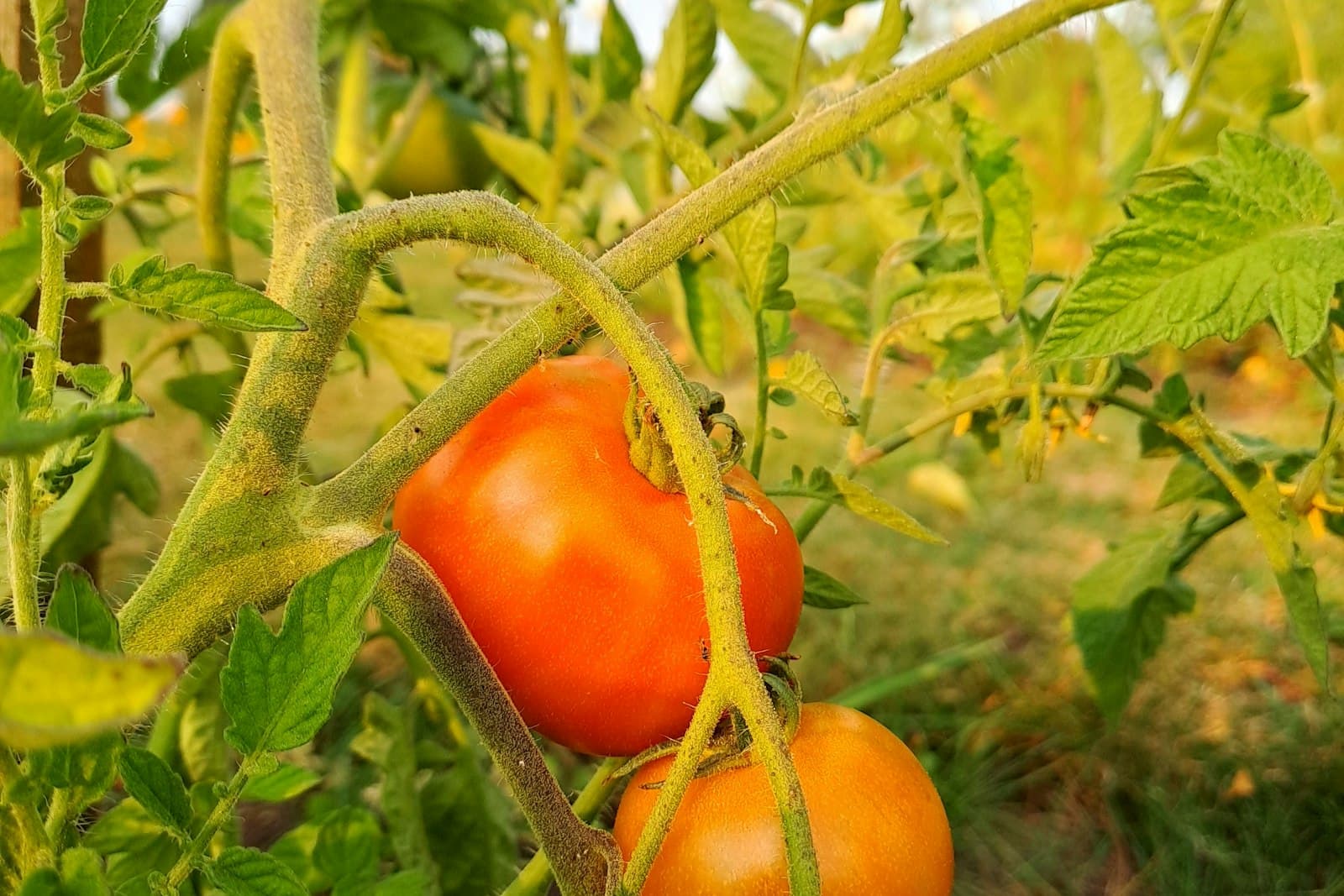
When to Plant Tomatoes in California
Planting dates for California's four growing regions, plus the heat, fog, and elevation rules behind each one.
Guide
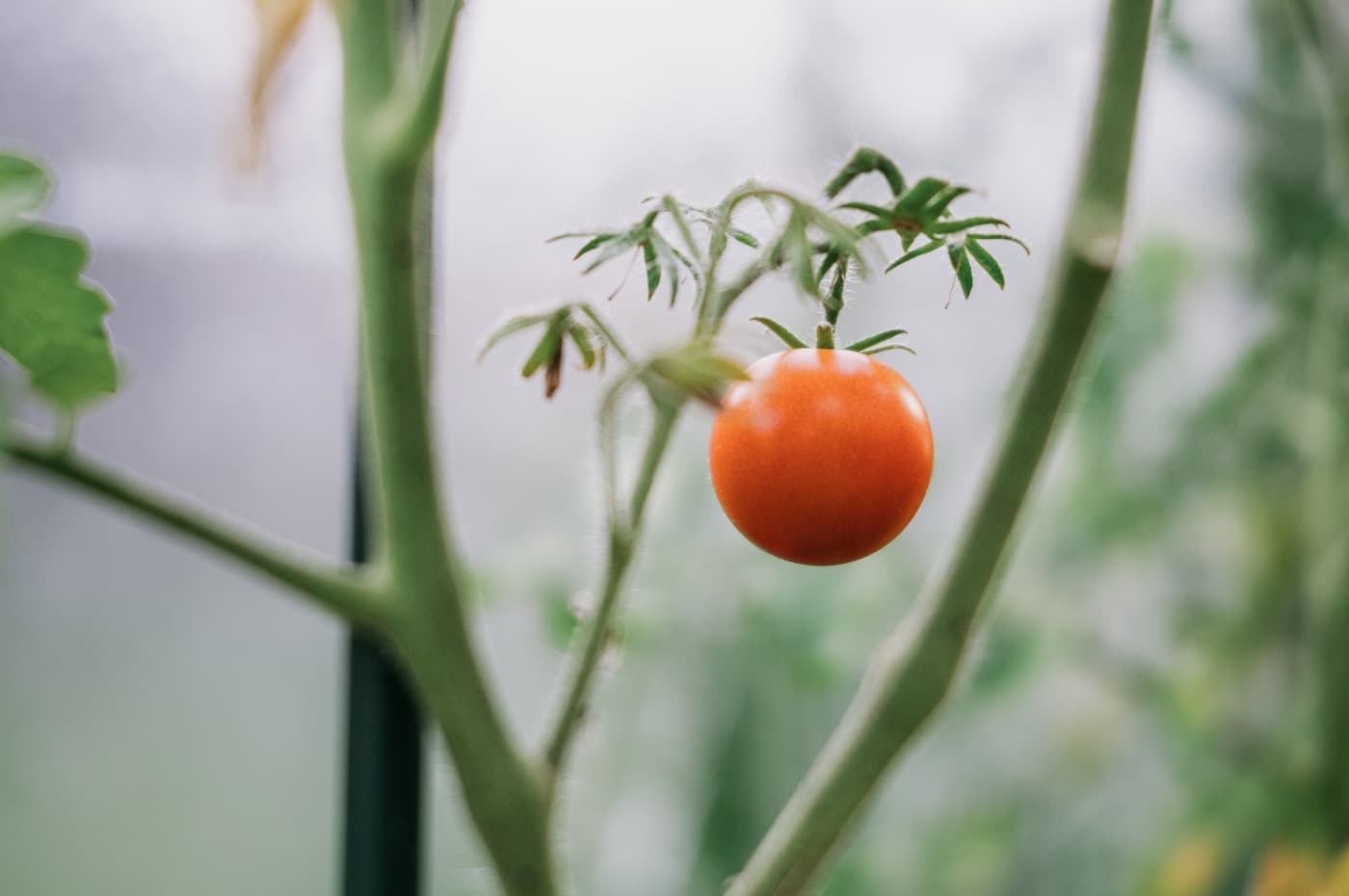
When to Plant Tomatoes in Florida
The two planting windows in North, Central, and South Florida, the summer gap between them, and the fall crop most gardeners miss.
Guide
How to Grow Roma Tomatoes: Planting to Harvest
Learn how to grow Roma tomatoes with practical guidance on planting time, spacing, support, watering, and harvest.
Guide
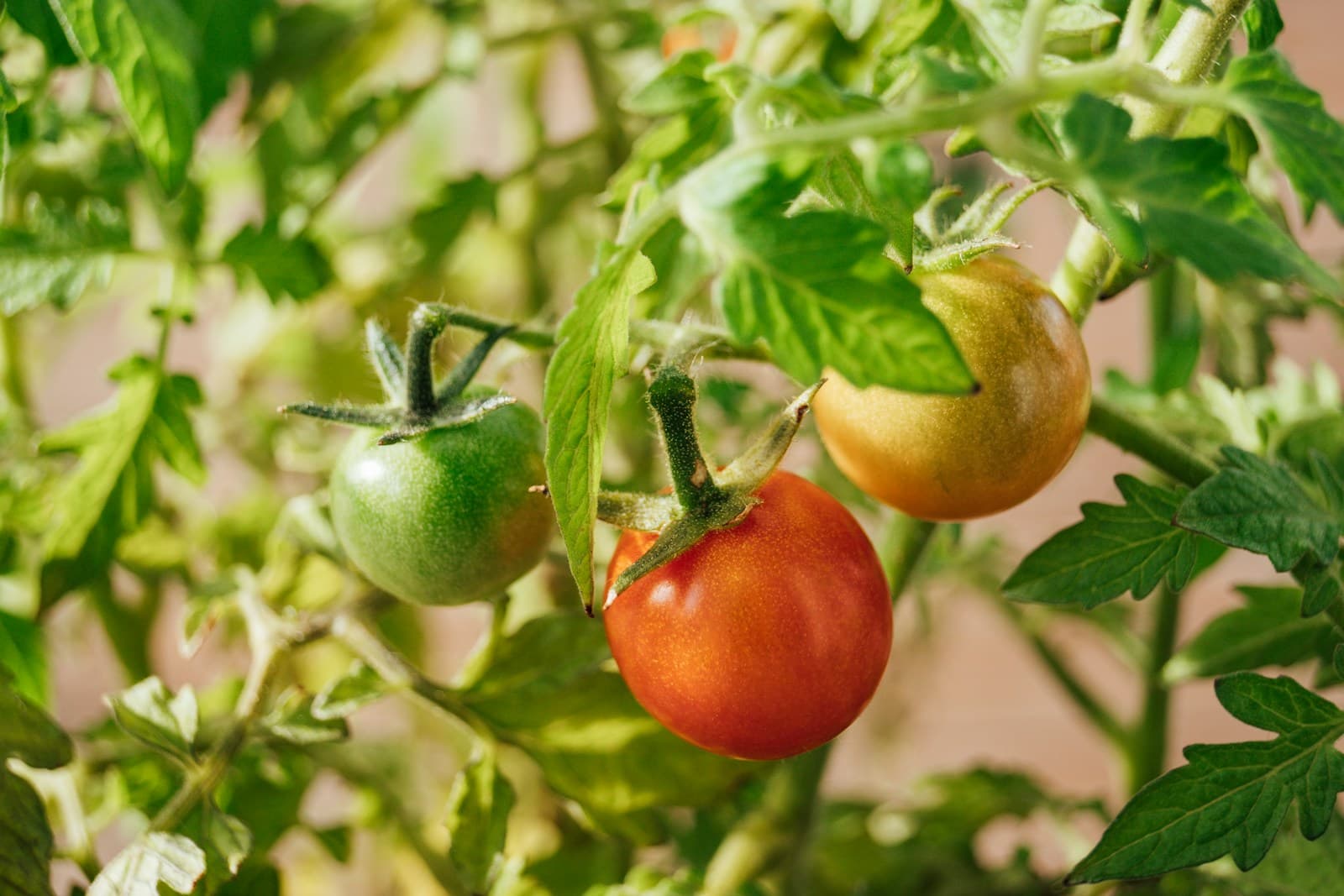
How to Prune a Tomato Plant Without Overdoing It
Prune tomatoes for airflow, support, and manageability without stripping away the leaves the plant still needs.
Guide
Best Tomato Varieties for Containers
Choose container tomato varieties by plant habit, pot size, climate pressure, and how much fruit you really want to manage.
Why Are My Tomato Leaves Turning Yellow? (4 Causes & Fixes)
Check the most likely causes first, from overwatering and cold nights to transplant stress and normal lower-leaf aging.
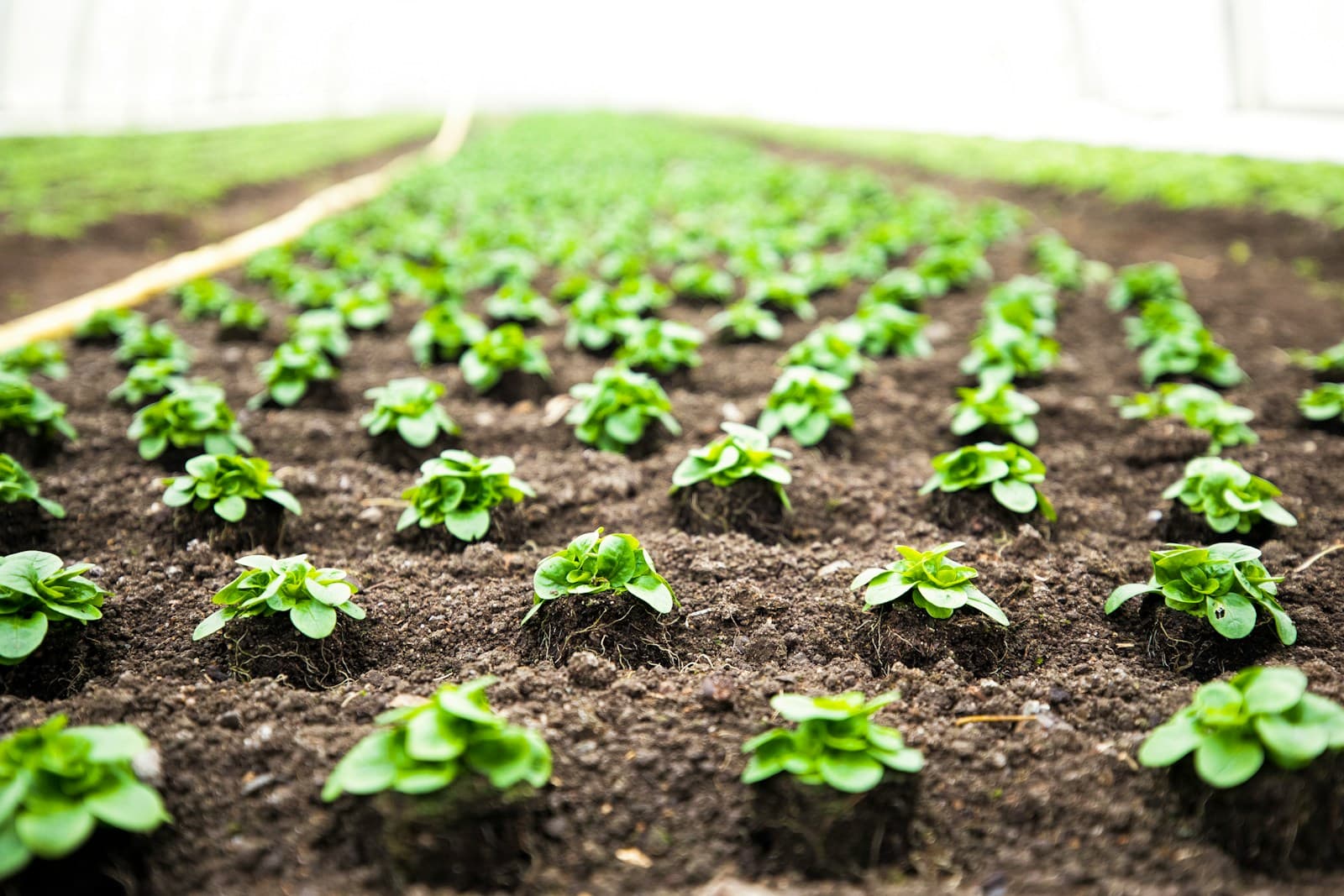
Guide
How to Harden Off Seedlings
A practical hardening-off routine for vegetable seedlings before they move from indoor comfort to outdoor wind, sun, and cooler nights.
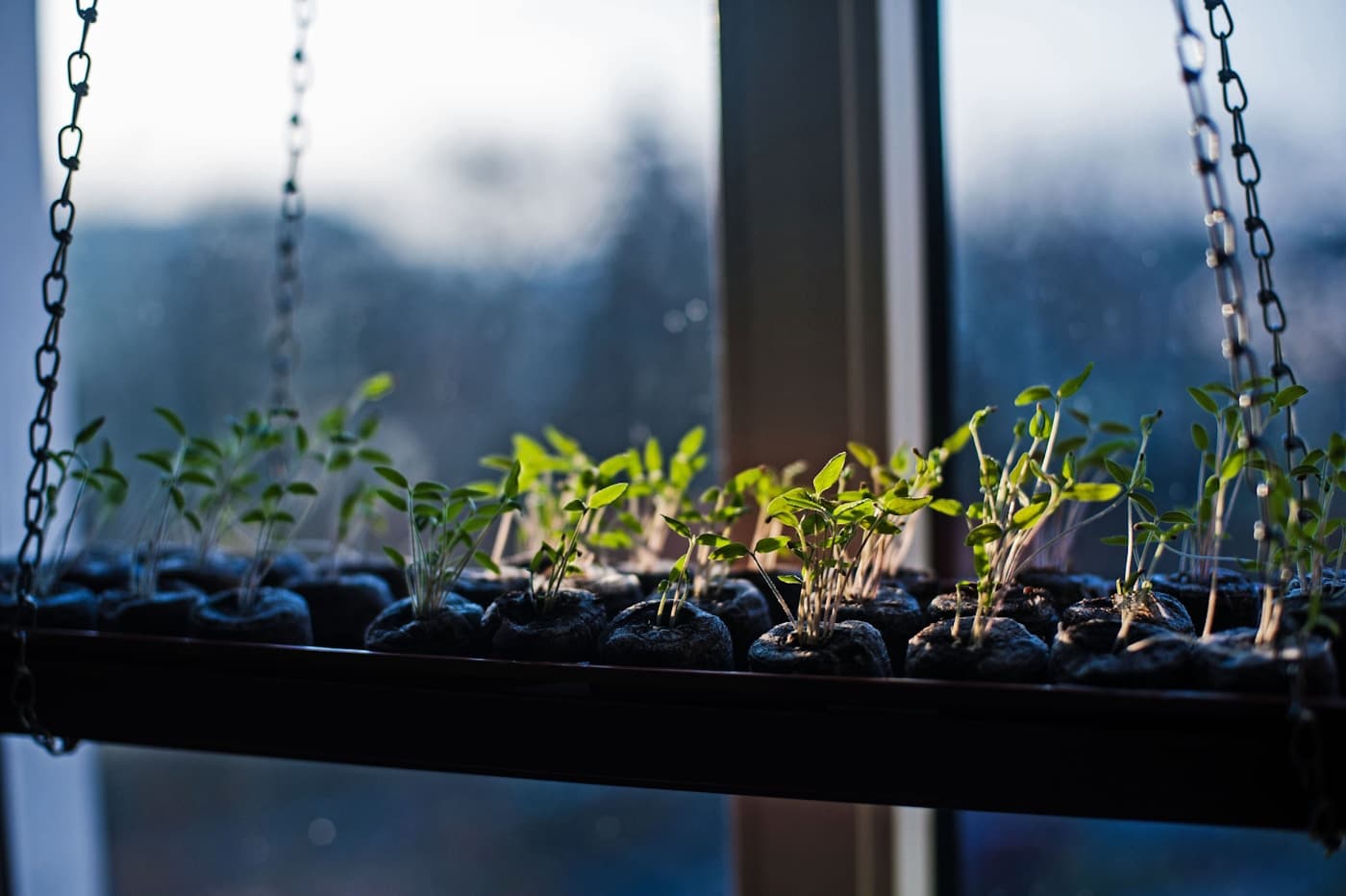
Guide
How to Start Seeds Indoors
A beginner setup for lights, trays, warmth, and the first week after germination.
Guide
When to Plant Peppers in Your Area
Use warm nights, soil readiness, and local forecast windows to transplant peppers at the right time for stronger growth.