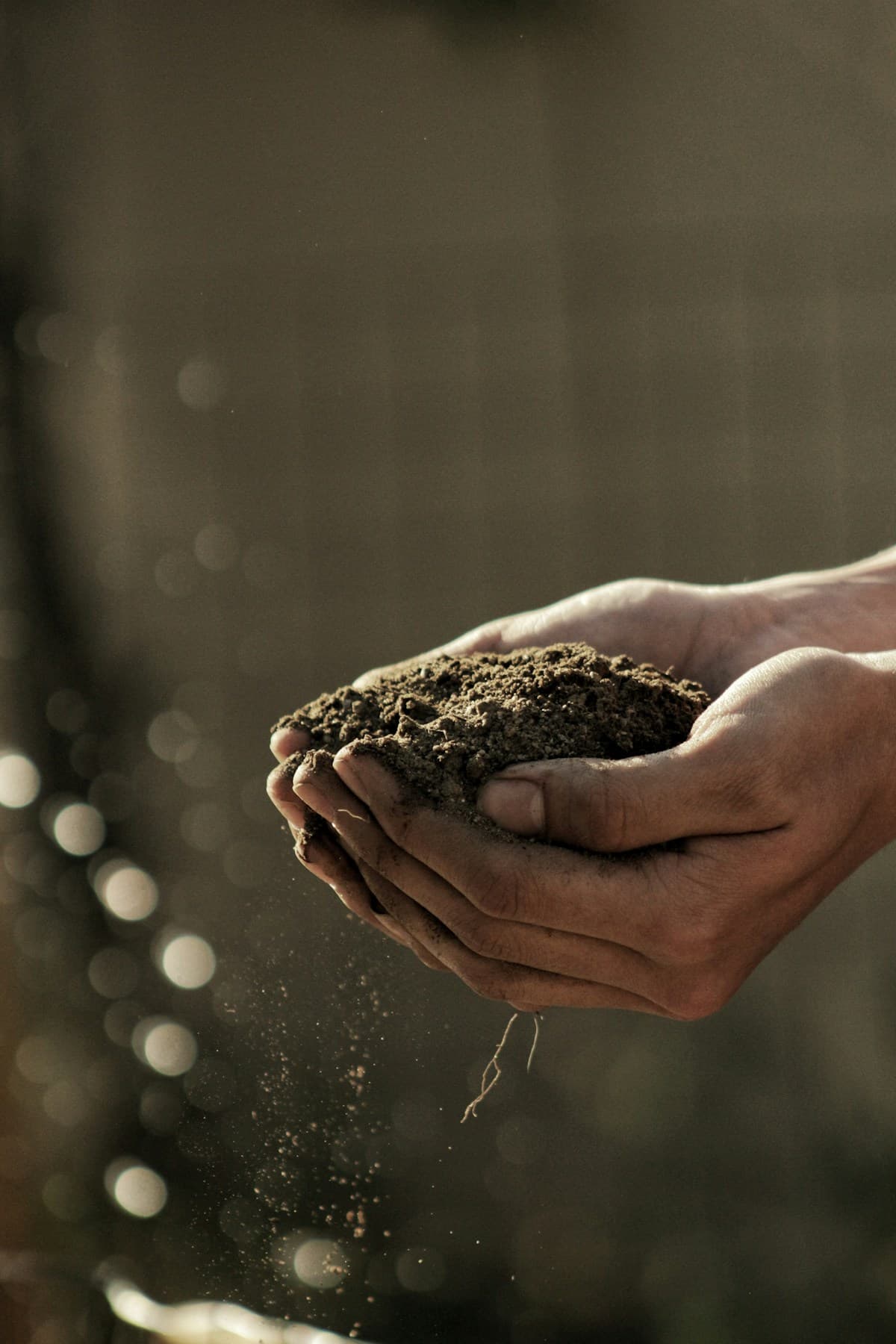
A balanced granular organic fertilizer handles most home vegetable gardens without a complicated feeding schedule.
Soil testing before buying saves money and prevents nutrient lockout from over-application.
Organic fertilizers feed the soil food web, which means results build over seasons rather than appearing overnight.
Why organic fertilizer works differently than synthetic
Organic fertilizers release nutrients as soil microbes break them down. That means they feed more slowly, they are less likely to burn roots, and they improve soil structure over time. Synthetic fertilizers deliver a fast nutrient hit but do nothing for long-term soil health.
For home vegetable growers, this slow-release pattern is usually an advantage. You get steadier feeding through the season, less risk of over-fertilizing, and soil that gets better every year instead of more dependent on inputs.
- Organic fertilizers improve soil biology and water retention over time.
- Slower nutrient release reduces the risk of root burn and nutrient runoff.
- Results compound across seasons as organic matter builds in the bed.
What to look for on the bag
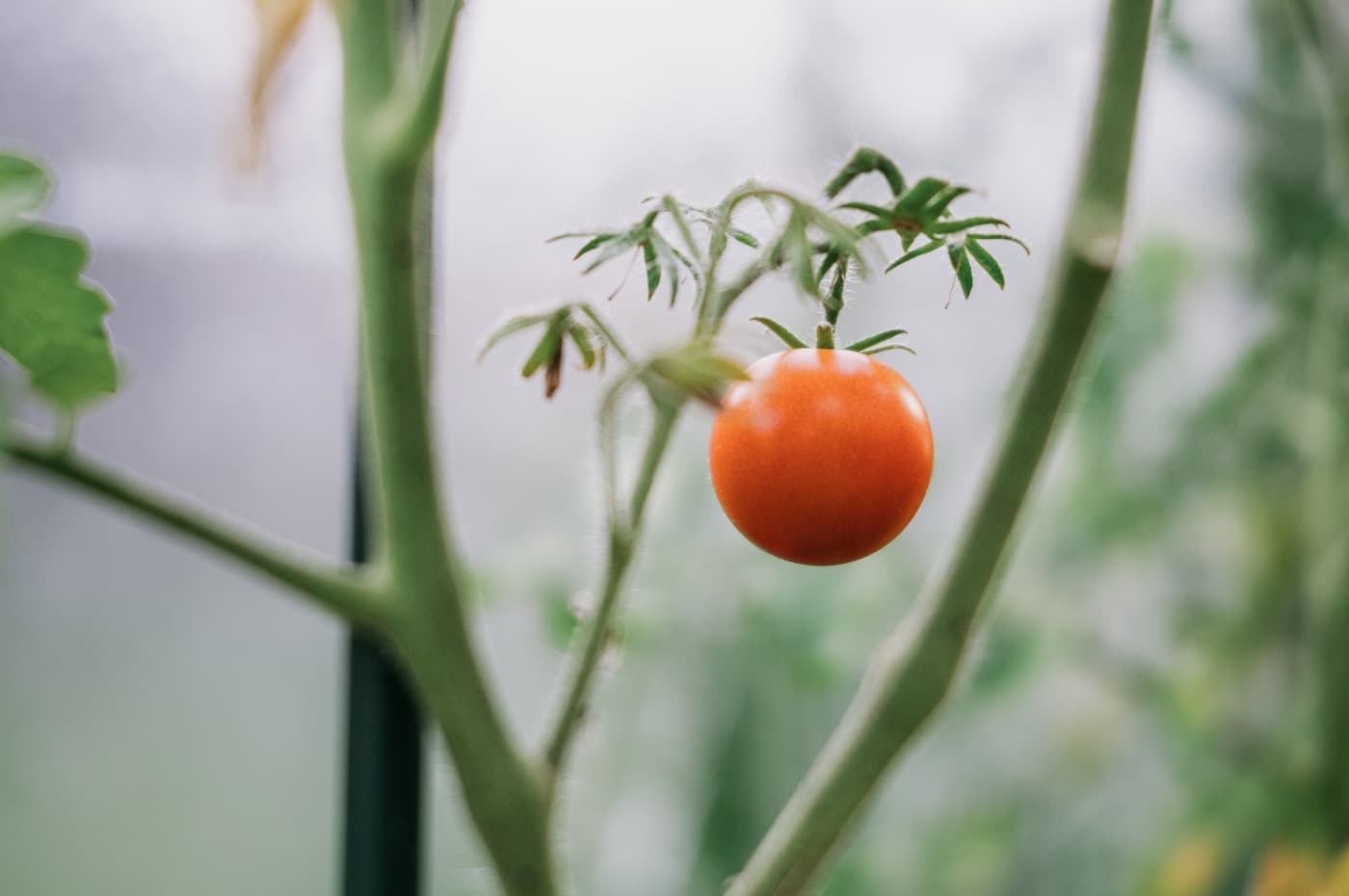
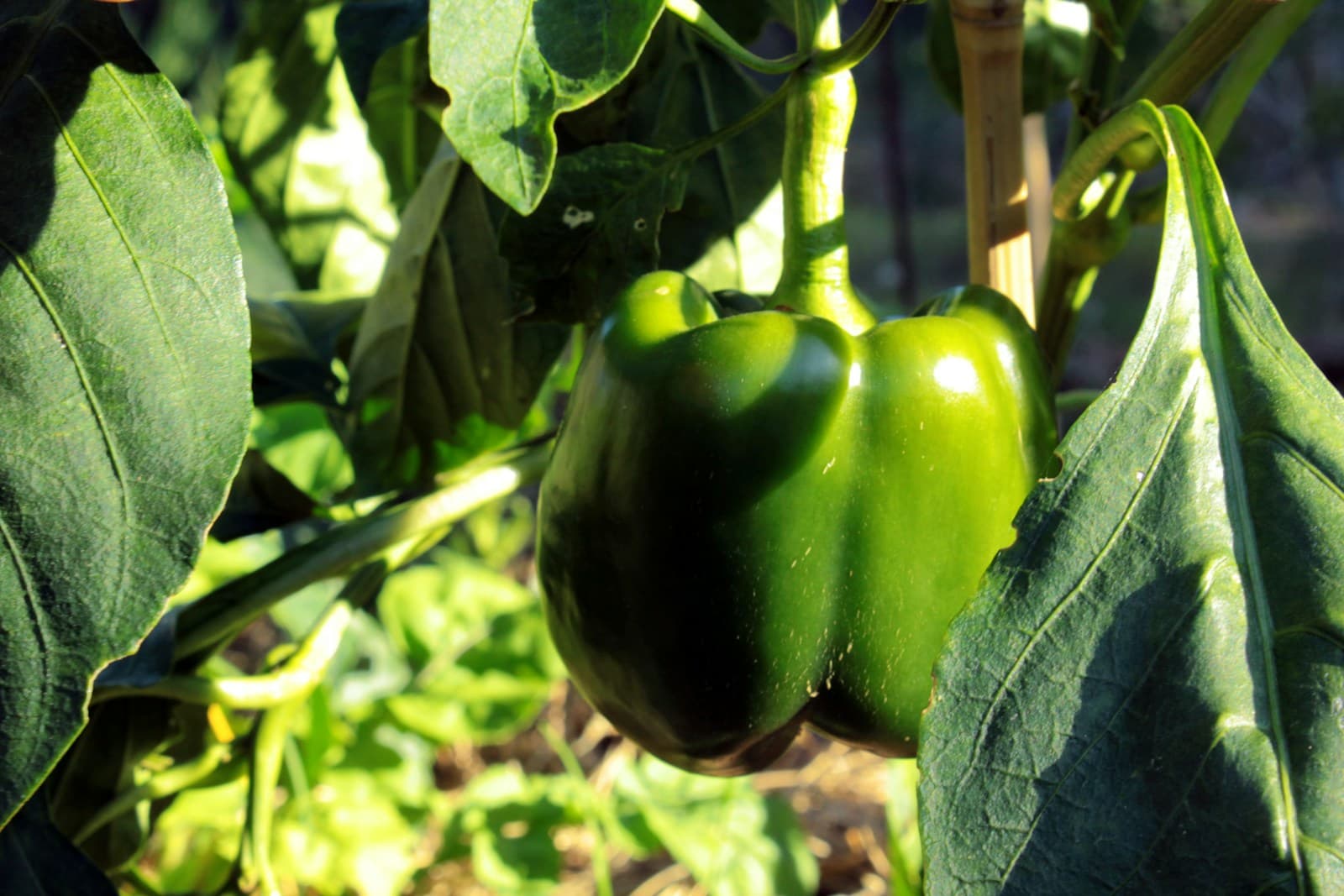
The NPK ratio is the first thing to check. For most vegetable gardens, a balanced or lightly nitrogen-forward formula like 3-4-4 or 4-6-3 works well. Heavy nitrogen pushes leaf growth, which is great for greens but counterproductive for tomatoes and peppers that need phosphorus and potassium to set fruit.
Ingredient sourcing matters too. Look for recognizable inputs like feather meal, bone meal, alfalfa meal, kelp, or composted manure. Vague ingredient lists or heavy reliance on a single input can signal lower quality or nutrient imbalance.
- Choose a balanced NPK for mixed vegetable beds.
- Higher phosphorus and potassium formulas suit fruiting crops like tomatoes, peppers, and squash.
- Recognizable, diverse organic inputs usually indicate a better-quality blend.
Granular versus liquid — when each makes sense
Granular organic fertilizers are the workhorse for most home gardens. You apply them at planting and side-dress once or twice during the season. They break down slowly and do not need frequent reapplication.
Liquid organic fertilizers like fish emulsion or kelp extract are useful as a quick foliar boost or transplant drench, but they should not be the primary feeding strategy. They wash through soil faster and usually cost more per application than a good granular blend.
- Granular for baseline feeding at planting and mid-season side-dressing.
- Liquid for quick boosts, transplant shock recovery, or foliar feeding.
- Most home gardens do fine with granular alone.
Common fertilizer mistakes in home gardens
The most common mistake is applying fertilizer without knowing what the soil already has. A thirty-dollar soil test from your local extension office can save you from adding nutrients your soil does not need, which can cause lockout, excess salt, or wasted money.
Another frequent error is over-applying nitrogen because the plants look a little pale. Pale leaves can be caused by overwatering, compaction, pH issues, or cool soil — none of which nitrogen fixes. Diagnose before you feed.
- Test soil before your first application each season.
- Pale leaves are not always a nitrogen problem.
- More fertilizer is not better — excess nutrients can harm plants and soil biology.
How to choose without overthinking it
If you grow a typical mix of tomatoes, peppers, squash, lettuce, and herbs, a single bag of balanced granular organic fertilizer covers most of your feeding needs. Apply at planting, side-dress once when fruiting crops start flowering, and let the soil biology do the rest.
Save specialty products — like high-phosphorus bloom boosters or targeted micronutrient supplements — for diagnosed deficiencies, not general use. Simple, consistent feeding beats a complicated supplement stack every time.
- One good all-purpose organic fertilizer handles most home vegetable gardens.
- Side-dress once at flowering for heavy feeders like tomatoes and peppers.
- Use specialty products only when a soil test or plant symptoms call for them.
Products worth considering
As an Amazon Associate I earn from qualifying purchases.
These products fit the needs covered above. If you buy through a link, GrowerBuddy may earn a commission at no extra cost to you.
The price tier is a rough guide to where this product usually sits in its category, not a live price. Check Amazon for the current price and availability.

Espoma Garden-Tone (18 lb)
Balanced 3-4-4 formula with diverse organic inputs — a reliable all-purpose fertilizer for mixed vegetable beds.
View on Amazon
Dr. Earth Organic 5 Tomato & Vegetable
Higher phosphorus blend with beneficial soil microbes — built for fruiting crops like tomatoes, peppers, and squash.
View on Amazon
Jobe's Organics Vegetable & Tomato Spikes
Pre-measured spikes that push into soil with zero mess — easy entry point for first-time organic growers.
View on AmazonFeed the soil, not just the plant
This guide ranks organic fertilizers by how well they build long-term soil health while supporting a real home vegetable garden. That means nutrient balance, ingredient quality, and practical application fit matter more than marketing claims.
- Prioritize balanced NPK and diverse organic inputs over flashy packaging.
- Match application method to your garden rhythm — granular for most, liquid for spot needs.
- Read the N-P-K numbers and the application rate on the bag, since formulations change between seasons.
These references inform the selection criteria, safety notes, and growing context in this guide.
Quick answers before you buy or upgrade anything
These are the questions that usually come up when growers translate general advice into one buying decision.
Can I use organic fertilizer on all vegetables?
Yes. A balanced organic fertilizer works on leafy greens, root vegetables, and fruiting crops. Adjust application rate based on whether the crop is a light or heavy feeder.
How often should I apply organic fertilizer?
For most granular organics, apply at planting and side-dress once during the season. Heavy feeders like tomatoes may benefit from a second side-dressing when they start setting fruit.
Is organic fertilizer enough or do I still need compost?
Compost and fertilizer do different jobs. Compost improves soil structure and feeds microbes. Fertilizer provides concentrated nutrients. Most vegetable gardens benefit from both.
Does organic fertilizer smell bad?
Some inputs like fish meal or blood meal can have a noticeable smell when first applied. It fades within a day or two, especially once watered in or top-dressed with mulch.