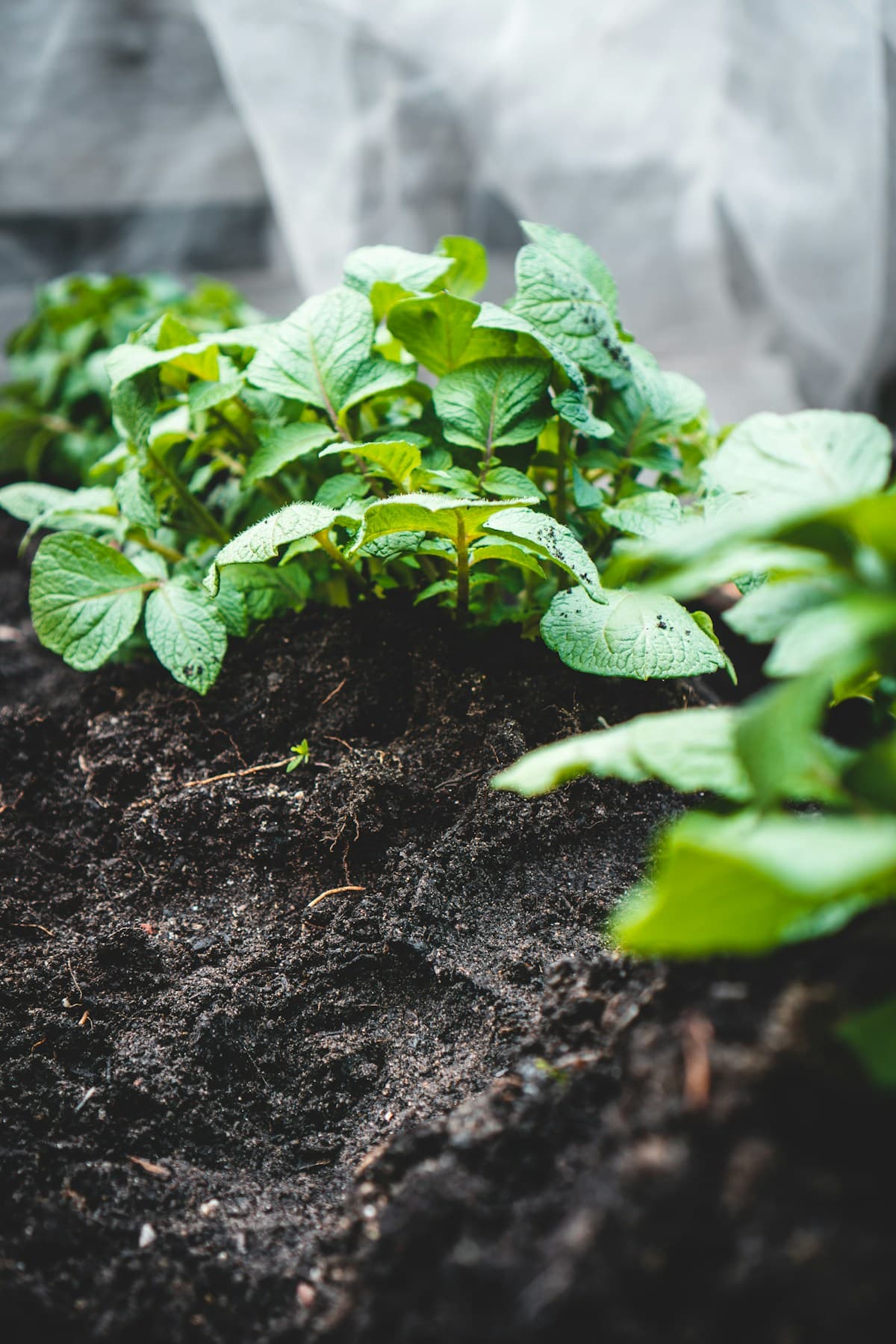
A good raised bed mix balances drainage, moisture retention, and organic matter — no single ingredient does all three.
Buying bagged soil is convenient for small beds, but blending your own saves money at scale.
Plan to top-dress with compost every season because organic matter breaks down and beds settle.
Why raised bed soil is not the same as garden soil
In-ground gardens inherit whatever soil is already there and amend it over time. Raised beds start from scratch, which means you control everything — but you also have to get it right from the start. The mix needs to drain faster than in-ground soil because raised beds dry out quicker, yet it still has to hold enough moisture that you are not watering twice a day.
Straight topsoil compacts in a raised bed. Pure compost holds too much water and can go anaerobic. Peat-only mixes are acidic and hydrophobic once they dry out. A proper raised bed mix blends these components in a ratio that balances structure, nutrition, and drainage.
- Raised beds dry out faster than in-ground gardens — the mix must hold moisture without waterlogging.
- Straight topsoil compacts and drains poorly in a raised frame.
- A blend of compost, quality topsoil, and an aerator like perlite or aged bark gives the best results.
The components of a good mix
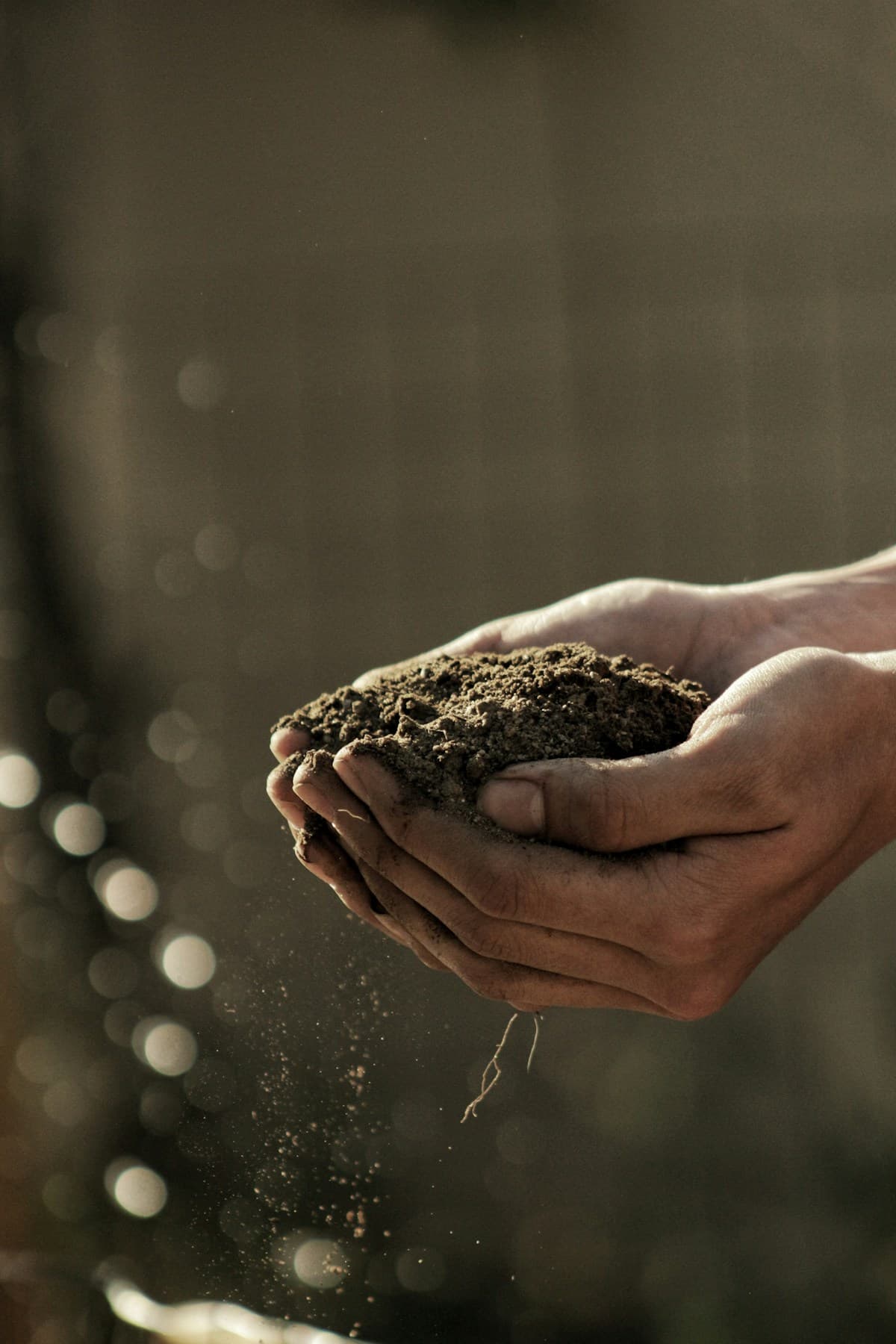
Most proven raised bed formulas are some ratio of three things: screened topsoil or loam for mineral content and weight, quality compost for organic matter and microbial life, and an aerating amendment like perlite, vermiculite, or aged bark fines for drainage and root space.
A common starting ratio is roughly one-third each. Some growers increase the compost fraction for nutrient-hungry crops and reduce it for herbs or root vegetables that prefer leaner soil. The key is testing and adjusting based on how your beds actually perform.
- Topsoil provides mineral nutrition, weight, and structure.
- Compost feeds soil biology and supplies slow-release nutrients.
- Perlite or bark fines prevent compaction and keep oxygen in the root zone.
Bagged mix versus blending your own
For one or two small beds, bagged raised bed mix is the most practical choice. You get a consistent, ready-to-use product without sourcing and hauling bulk materials. The downside is cost — filling even a modest 4×8 bed with bags adds up fast.
If you have three or more beds, buying bulk compost, screened topsoil, and perlite by the cubic yard from a local landscape supplier is significantly cheaper. You lose some consistency, but you gain control over the exact blend and save hundreds of dollars.
- Bagged mixes are convenient for small beds and new growers.
- Bulk materials save money at scale — three or more beds usually justifies the effort.
- Check local compost quality before buying in bulk — not all municipal compost is suitable for vegetables.
What to avoid when filling raised beds
The most expensive mistake is filling a bed with cheap fill dirt or construction-grade topsoil. These compact into a brick, drain poorly, and often contain weed seeds or contaminants. The second-most expensive mistake is using only potting mix, which is too light, dries out too fast, and costs far more per cubic foot than a proper blend.
Also avoid mixes that list vague ingredients or rely heavily on peat without perlite. Peat-only mixes become hydrophobic once they dry out, which means water runs off instead of soaking in — exactly the opposite of what your beds need.
- Do not fill beds with cheap fill dirt or construction-grade topsoil.
- Pure potting mix is too light and expensive for outdoor raised beds.
- Peat-heavy mixes without an aerator become hydrophobic when dry.
Maintaining your mix season to season
Raised bed soil settles and decomposes. Plan to add 1–2 inches of quality compost on top of each bed every fall or spring. This replaces organic matter, feeds soil biology, and keeps bed depth where it should be.
After a few seasons, you may also notice drainage changes. If soil feels heavy or pools water, work in a light aerating amendment. If it dries too quickly, increase the compost fraction. Good raised bed soil is a living system that improves when you pay attention to it.
- Top-dress with 1–2 inches of compost every season.
- Amend drainage issues with perlite or bark fines as needed.
- Soil quality improves year over year with consistent organic inputs.
Products worth considering
As an Amazon Associate I earn from qualifying purchases.
These products fit the needs covered above. If you buy through a link, GrowerBuddy may earn a commission at no extra cost to you.
The price tier is a rough guide to where this product usually sits in its category, not a live price. Check Amazon for the current price and availability.

FoxFarm Raised Bed Planting Mix (1.5 cu ft)
All-purpose raised-bed blend with earthworm castings and oyster shell, ready for vegetables and herbs.
View on Amazon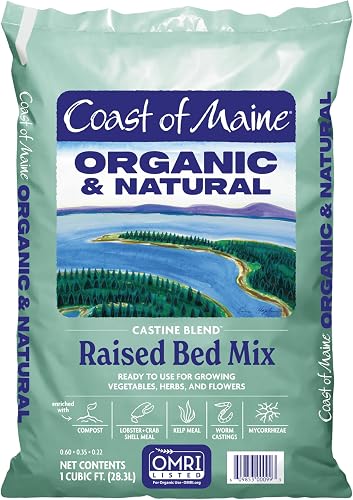
Coast of Maine Castine Blend Raised Bed Mix
Purpose-built raised bed mix with compost, peat, and perlite already blended — fills and grows well straight from the bag.
View on Amazon
Espoma Organic Potting Mix
Affordable, Myco-Tone enhanced organic mix that works well blended with topsoil for raised beds on a budget.
View on AmazonGood soil is the highest-return investment in your garden
This guide ranks raised bed soil mixes by real growing performance: drainage, moisture retention, organic matter quality, and how well the mix holds up over multiple seasons. Marketing claims about miracle ingredients are ignored.
- Prioritize drainage, moisture balance, and organic matter diversity.
- Match the buying strategy to your scale — bags for small setups, bulk for larger gardens.
- Compare what is actually in the bag: compost sources and screened texture matter more than the label.
These references inform the selection criteria, safety notes, and growing context in this guide.
Quick answers before you buy or upgrade anything
These are the questions that usually come up when growers translate general advice into one buying decision.
How much soil do I need for a 4×8 raised bed?
A 4×8 bed that is 12 inches deep needs about 32 cubic feet of mix, which is roughly one cubic yard. Budget more if your bed is taller.
Can I reuse raised bed soil from last year?
Absolutely. Top-dress with fresh compost, fluff the surface with a fork, and your existing soil gets better every season.
Is Mel's Mix still the best recipe for raised beds?
The classic one-third blend of compost, peat, and vermiculite works well but can be expensive and peat-heavy. Many growers substitute aged bark for peat and perlite for vermiculite with equally good results.
Should I add fertilizer when I first fill a raised bed?
If your mix includes quality compost, you usually have enough nutrients to start. A light application of balanced organic fertilizer at planting is a safe extra step, especially for heavy feeders.