What a natural remedy can and cannot do
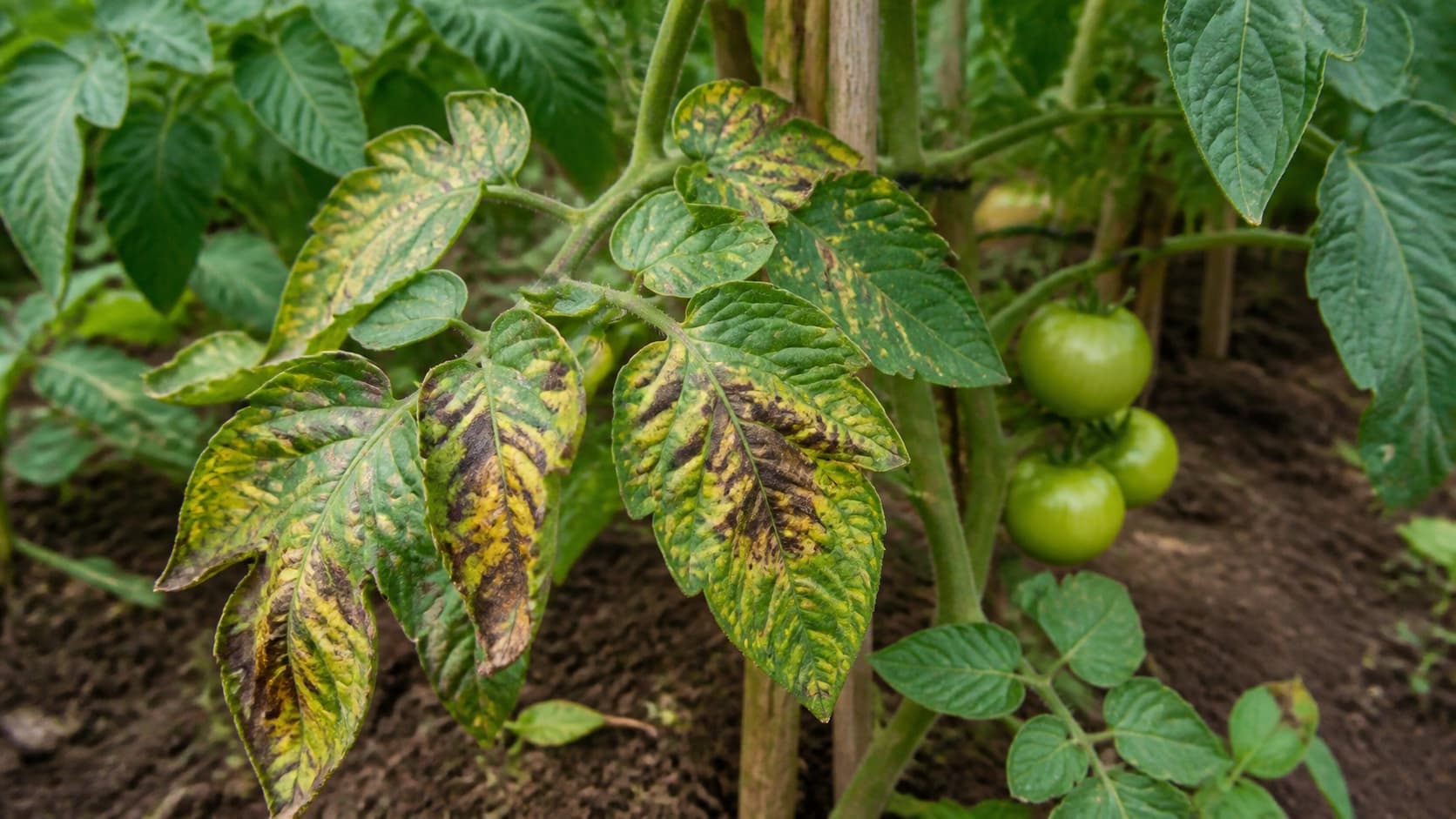
Natural blight management is mostly about slowing spread, protecting healthy tissue, and preventing the next round of infection. It does not usually restore leaves that are already heavily spotted, collapsed, or coated in lesions. That is why early detection matters so much.
Gardeners often search for a single natural spray, but disease pressure is usually driven by conditions first. If foliage stays wet, air barely moves, and lower leaves keep getting splashed with soil, the environment is doing most of the work against you.
- Think containment and prevention first, not cure-all treatment.
- Remove badly affected tissue because it rarely grows back into usefulness.
- Fix the growing conditions that let blight move so fast.
The lowest-risk natural controls
The most reliable natural controls are growing-condition fixes: wider spacing, root-zone watering, mulch to reduce splash, and keeping foliage dry when possible. Support systems that lift stems and improve airflow can make a meaningful difference, especially in dense tomato plantings.
Sanitation also matters. Diseased leaves left in the bed or handled carelessly during wet conditions can leave more disease spores around the crop.
- Water the soil, not the leaves.
- Use mulch to reduce splash-back from soil onto lower foliage.
- Handle diseased leaves with clean tools and remove them from the bed area.
When natural sprays may help and when they are not enough
Protective sprays used early can sometimes reduce new infection, but they work best before disease pressure is severe and alongside good sanitation. They are not a replacement for airflow, spacing, and dry leaves. Once a plant is already heavily affected, spraying alone rarely changes the season outcome.
That is why many 'natural remedy' disappointments are really diagnosis errors. The spray was asked to fix a disease load that had already outrun the rest of the management plan.
- Protective approaches work best before blight becomes widespread.
- Use sprays only as one layer in a broader sanitation and airflow plan.
- Do not expect late rescue sprays to reverse heavy infection.
How to decide what is still worth saving
If only lower foliage is affected and the upper plant still looks strong, aggressive cleanup plus drier management may preserve useful harvest. If lesions are climbing quickly, stems are involved, and weather stays wet, the realistic goal may shift from saving every leaf to harvesting what you can and protecting nearby plants.
That decision is easier when you avoid denial. Tomatoes can still finish useful fruit while looking rough, but they rarely recover if the disease has already overwhelmed most of the canopy.
- Save strong upper growth when disease is still mostly low and localized.
- Harvest early if heavy weather pressure and spreading lesions suggest decline is accelerating.
- Think about the rest of the tomato patch, not just one plant.
How to reduce blight next season
Blight prevention starts long before the first lesion. Wider spacing, better staking, mulching, crop rotation where possible, and avoiding chronically crowded tomato corners all reduce the odds of an early outbreak. Starting with healthier airflow is usually more effective than reacting later.
Use this year's problem as site information. If the patch stays damp, shaded, or impossible to water cleanly, the bed setup may be inviting the same disease pressure each year.
- Design next season's tomato spacing to dry faster after rain.
- Stake and prune for airflow, not for stripped bare stems.
- Use the problem as feedback about the site and irrigation habits.