Why Cucumber Leaves Are Curling (Up vs Down: Causes & Fixes)
Cucumber leaf curl usually points to stress from heat, water swings, pests, or early disease pressure rather than one single dramatic cause.
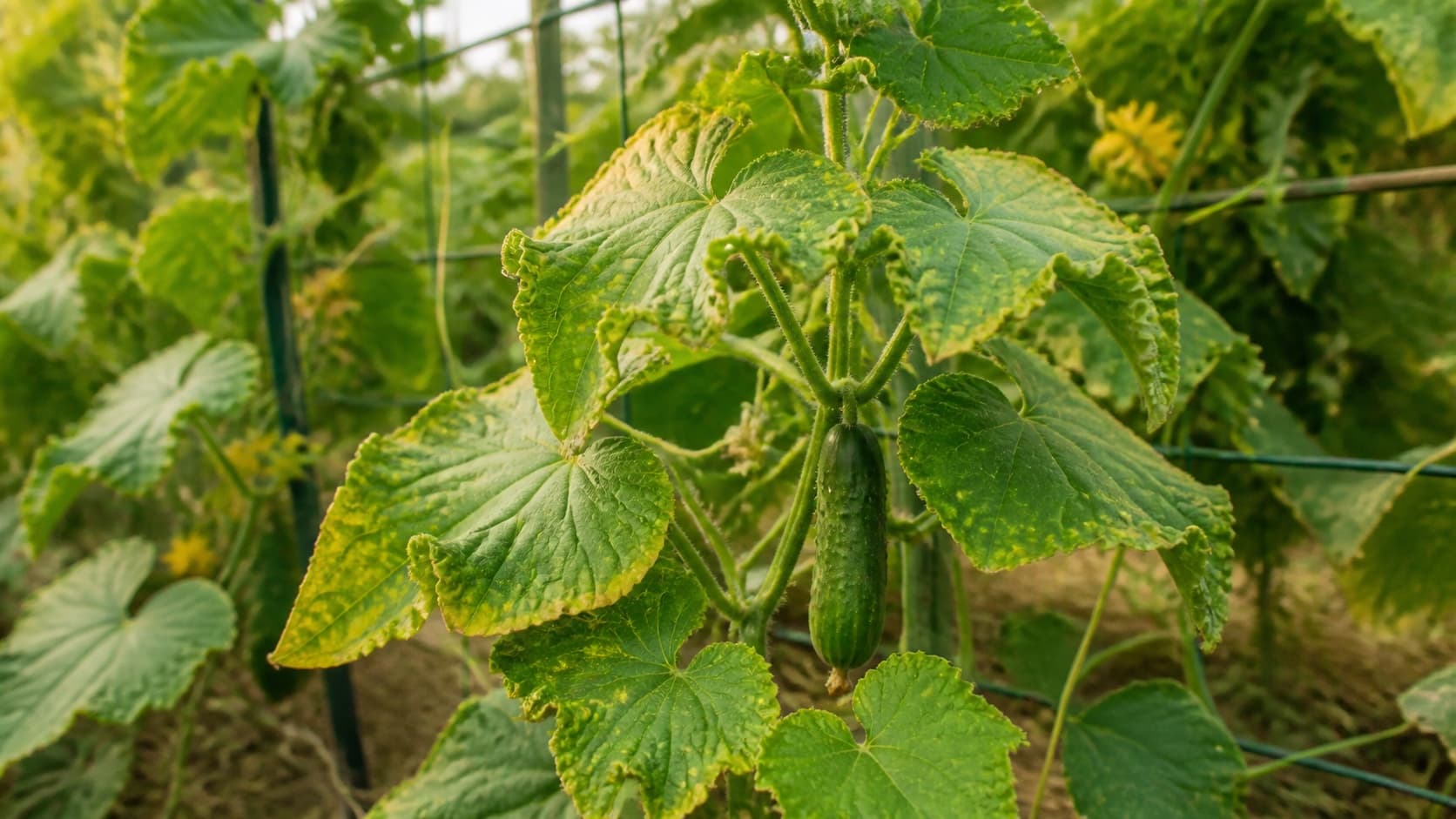
Watch when the leaves curl and which way they turn: curling UP (heat and moisture stress) vs curling DOWN (aphids, overwatering, or root trouble). Temporary afternoon curl during heat behaves very differently from all-day distortion.
Next Move
Use the calendar when the real problem is timing or weather.
If cucumber stress started right after planting into unsettled weather, compare your recent conditions with the calendar before assuming the problem is only insects or fertilizer.
Check the pattern before you treat the plant
Keep the troubleshooting sequence simple: compare what you can see, rule out the most common causes, and choose the lowest-risk next step first.
Check First
- Whether leaves curl upward (sun/heat defense) or claw downward (overwatering/aphids).
- Whether leaves recover by evening or stay curled all day.
- If aphids or other small insects are hiding on the leaf undersides.
- Whether the bed has swung from dry to soaked in the last week.
Likely Causes
- Hot afternoons and uneven moisture stressing fast-growing vines.
- Aphids or similar pests distorting tender growth before the damage becomes obvious.
- Wind exposure or transplant stress on young cucumber plants.
- Cold nights or soil that has not warmed past about 65°F, which slows the roots and claws the leaf edges downward.
- Spray drift from a lawn or weed treatment nearby, which twists and cups the newest leaves instead of curling them evenly.
- Early disease pressure when leaves stay wet and crowded, or a virus such as mosaic that crinkles and mottles new growth.
What To Do This Week
- Water deeply and mulch so the root zone stays more even between soakings.
- Inspect the underside of leaves and knock early pests back before populations build.
- Improve airflow and avoid splashing foliage late in the day.
- Check upwind for recent spraying if the newest leaves come out twisted with no pest or water problem to explain it.
- Remove only the worst leaves if the plant still has strong healthy growth to carry it.
Rule out root-zone moisture and temperature dips before using sprays or fertilizer
Leaf curling, yellowing, and stalled growth often follow wet soil, cold nights, or transplant shock. Check the soil 2 inches down before changing your feeding schedule.
Products to consider
As an Amazon Associate I earn from qualifying purchases.
These products may help with practical checks like steady watering, checking the soil around the roots, and fertilizing only when needed. If you buy through a link, GrowerBuddy may earn a commission at no extra cost to you.
The price tier is a rough guide to where this product usually sits in its category, not a live price. Check Amazon for the current price and availability.

Flexzilla Garden Hose (5/8" × 50 ft)
A flexible hose makes it easier to water deeply around the base of the plant instead of giving it small daily splashes.
View on Amazon
Fiskars Ergo Trowel
Use the narrow blade to check whether the soil near the surface is hard, adjust mulch, and make small changes without disturbing the vine.
View on Amazon
Espoma Garden-Tone (18 lb)
Use it only after checking watering, pests, and the roots. This balanced 3-4-4 fertilizer may help cucumber plants that are growing actively but show signs of a nutrient shortage.
View on AmazonThe diagnostic guidance draws on the references listed below.
Quick answers before you treat the plant
These are the follow-up questions that usually come up once you have compared the likely causes.
What do overwatered cucumber leaves look like?
They usually claw downward and feel limp or swollen rather than crisp, and the soil stays wet a few inches down even when the surface looks dry. A plant in soggy soil often looks worse in the morning than it did the night before. Leaves that curl up with crisp edges point more toward heat and dry soil.
Can curled cucumber leaves go back to normal?
Leaves that curled during a short stretch of heat or dry soil often flatten out again once watering is even and the weather eases. Leaves distorted by aphids, spray drift, or a virus usually stay misshapen. Judge recovery by the newest growth: if new leaves come out flat and full-sized, the plant has moved past it.
Should you water cucumbers every day?
A deep watering two or three times a week is usually better than a light splash every day, because cucumbers do best when the root zone stays evenly moist instead of swinging between soaked and dry. Check the soil a few inches down before watering again, and water at the base rather than over the leaves.
What causes cucumber leaves to curl up versus down?
Curling up usually means the plant is losing water faster than it can take it in, which happens in hot afternoons, strong sun, and dry soil. Curling down usually points at the roots: overwatering, cold soil, or sap-sucking pests such as aphids hiding on the leaf undersides.
What does baking soda do for cucumber plants?
Baking soda is a home remedy for fungal leaf problems such as powdery mildew, not a fix for curling. If leaves are curled, work through water, heat, pests, and spray drift first. Treating for disease before you know the cause usually adds stress without solving the problem.
Keep troubleshooting from the right starting point
If this was not the exact symptom you meant, jump back to the hub or compare it with the other common problem guides.
All Garden Problems
Return to the main troubleshooting hub to compare the quick triage and all four featured problem guides.
Back to the hub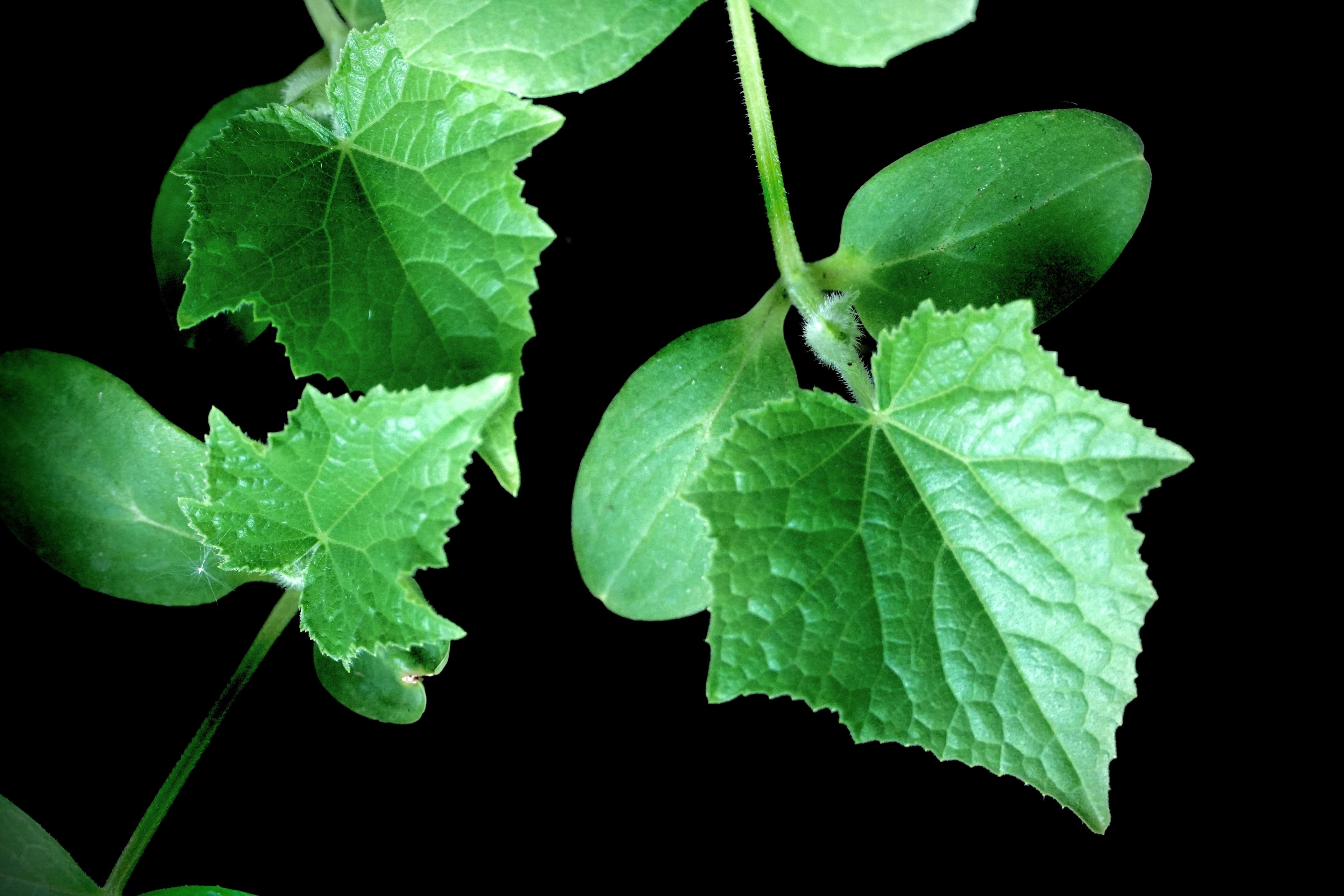
Topic
Cucumber Growing Guides
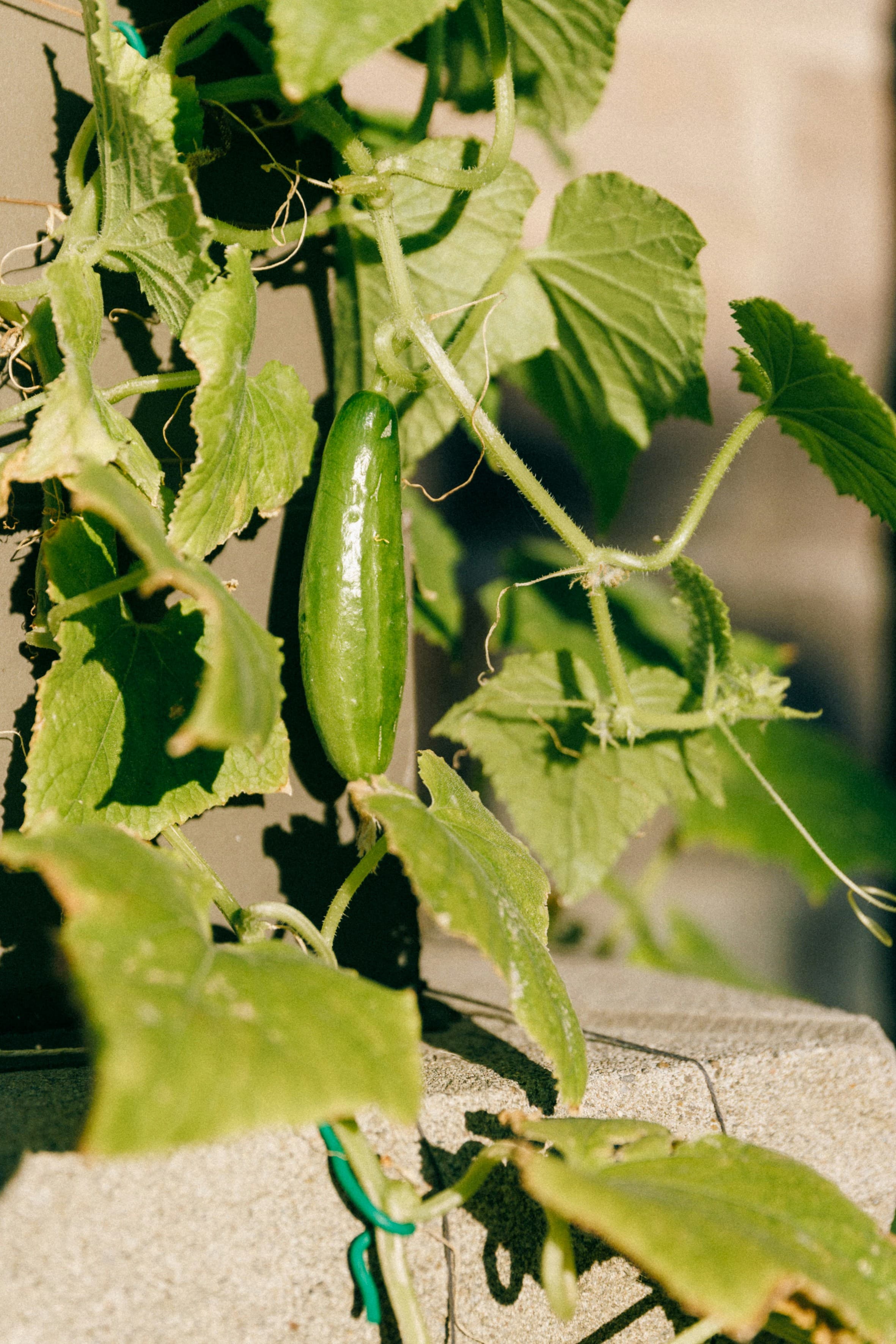
Cucumber planting timing, weather-aware decisions, and the stress signals that are easy to misread.
Guide
When to Plant Cucumbers in Your Area
Use frost timing, soil warmth, and a stable warm forecast to choose the first real cucumber window.

Guide
Cucumber Plant Spacing for Healthy Vines
Space cucumbers for airflow, trellising, and harvest access so dense summer vines do not create preventable disease pressure.
Guide
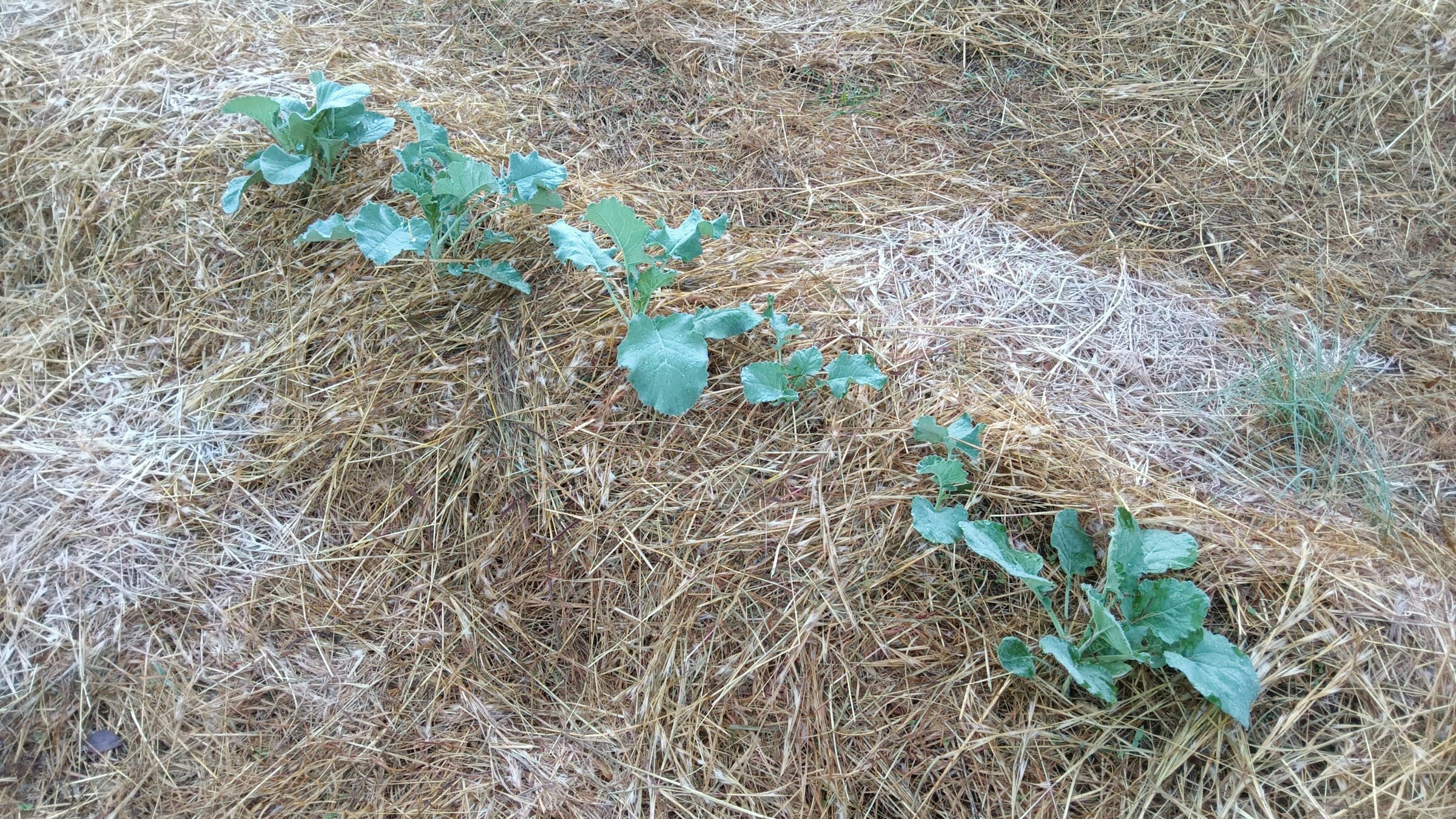
Vegetable Planting Calendar by Zone: When Each Crop Goes In
Zone charts stop at the month. This calendar dates seven crops from nineteen half-zones of NOAA station records, then leaves the last check to your soil.
Aphids on Plants: The Count That Says Whether to Act
How to confirm it is really aphids, how fast the colony is compounding, and the count your crop actually tolerates.
Powdery Mildew on Plants: Which Leaves Are Already Lost
The white coating is dry, and it arrives in weather that keeps other fungi away. Read the plant leaf by leaf to see what is finished and what is still worth defending.