GROWERBUDDY
Florida

When to Plant Tomatoes in Florida

Florida grows tomatoes in two windows a year, and the summer between them is not a growing season. North Florida plants in February through April and again in July and August, Central Florida a month on either side of that, and South Florida in one run from August to February.

Last updated: 2026-09-28• Sources

The short answer

Part of the stateFall cropSpring crop
North FloridaFall crop: July – AugustSpring crop: February – April
Central FloridaFall crop: August – SeptemberSpring crop: January – February
South FloridaAugust – FebruaryOne long window
Start seeds indoors6–8 weeks before set-out
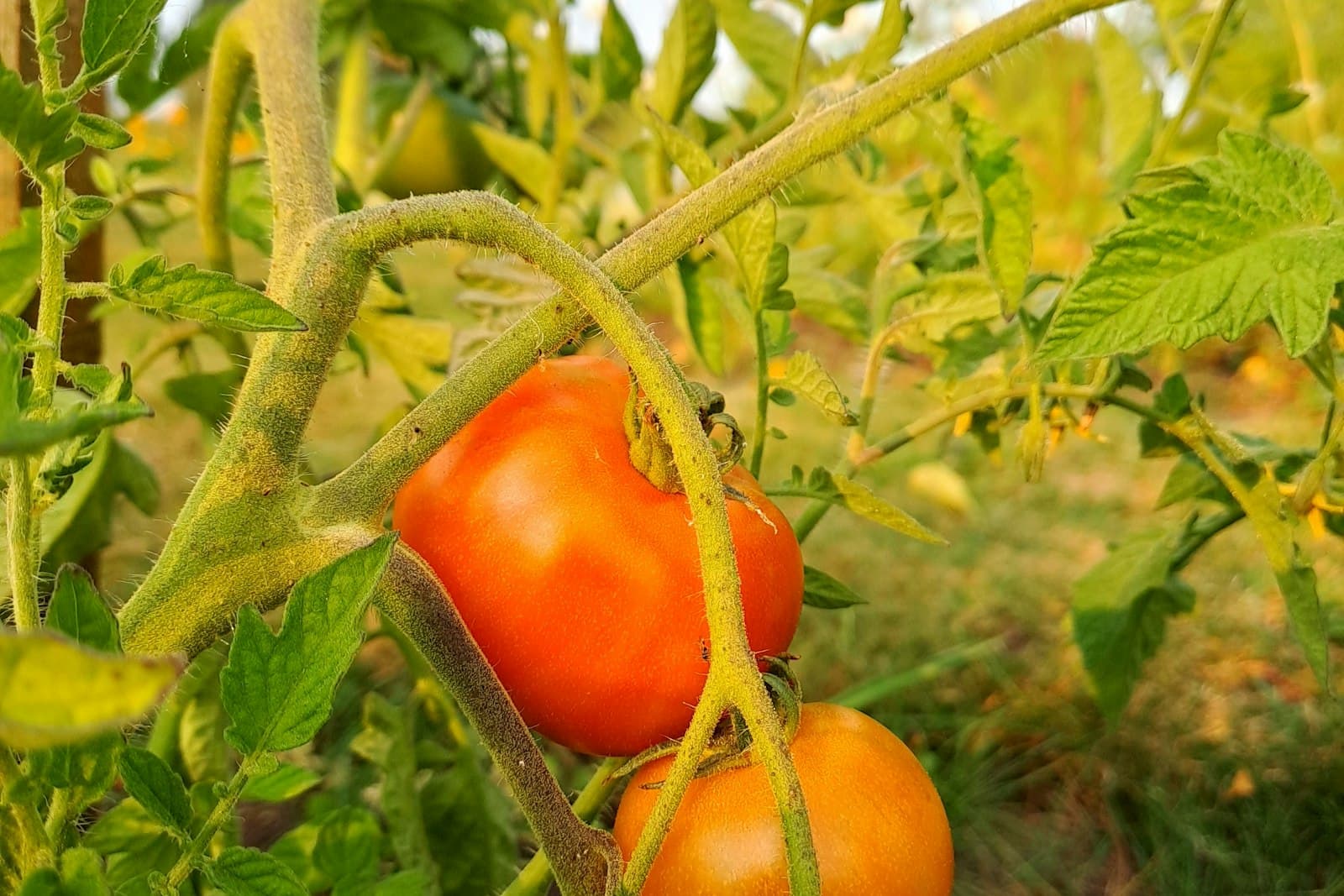
When to plant tomatoes in Florida: orange tomatoes ripening on a staked plant in a garden bed.
  1. 01

    North Florida sets plants out in February through April and again in July and August. Central Florida runs a month earlier in spring and a month later in fall, and its own calendar says June is too late to plant tomatoes at all.

  2. 02

    South Florida runs one long window from August through February. A plant set out in November belongs to the same crop as one set out in August, and UF's south Florida guide calls fall the region's preferred season.

  3. 03

    Summer is the gap between the windows. Fruit set fails once average nights reach about 80°F, large-fruited varieties first, and the rainy season brings its own disease pressure.

  4. 04

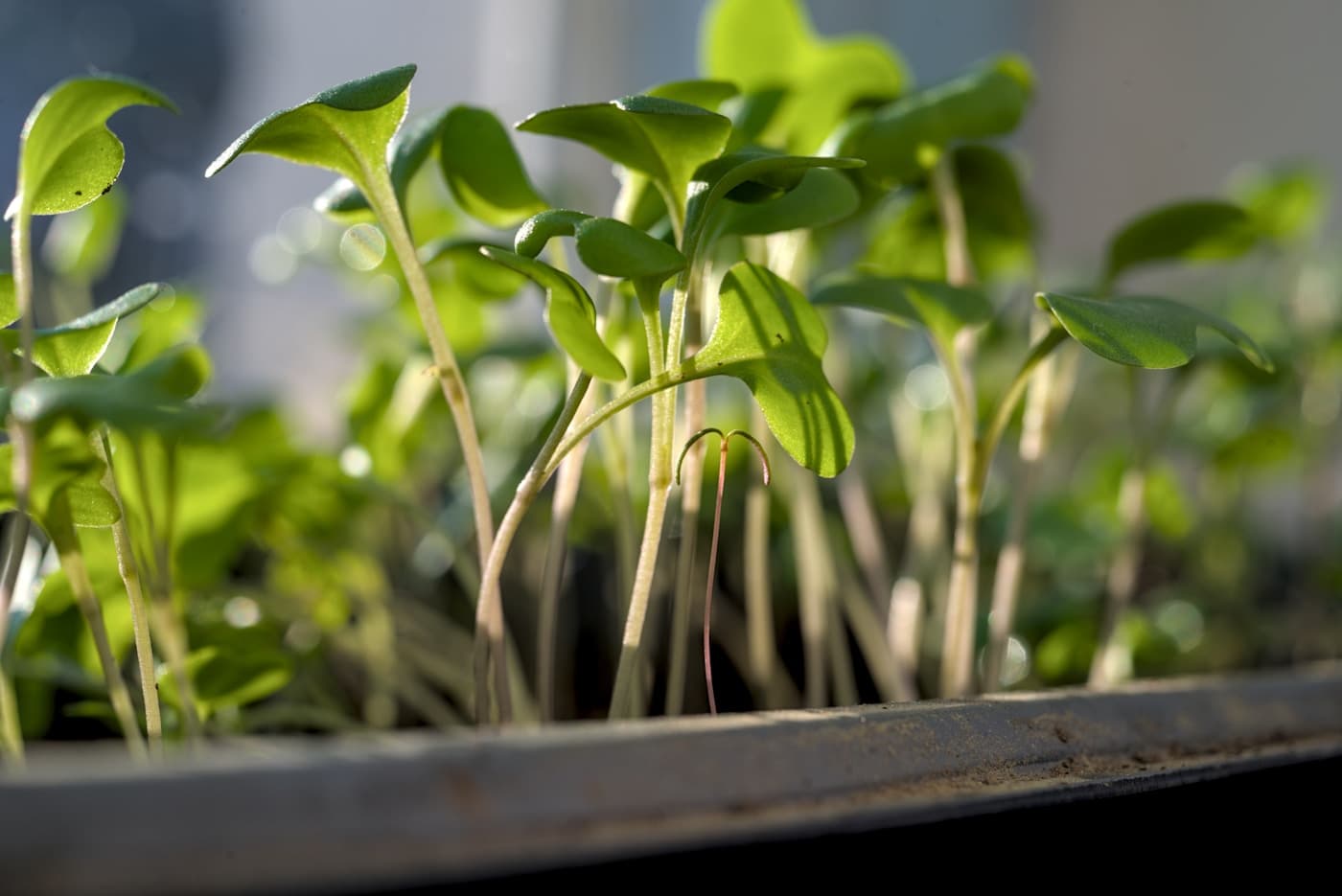
    The fall crop is seeded in that heat: six to eight weeks before a July or August set-out means seed in May and June, and UF's calendars list tomato seed in July for the fall garden.

  5. 05

    Only North Florida really waits on frost. UF's guide says North Florida has to watch late frost dates, Central Florida sees frost occasionally, and South Florida rarely does.

The Florida tomato year

Two seasons, twelve months, three parts of the state

Every band runs through the same twelve months in the same order. Set-out months are the solid green bars, seed months the lighter ones, and the shaded stretch is where fruit set fails. A month can be two of those at once, and July usually is.

North Florida

Everything north of State Road 40: Jacksonville, Gainesville, Tallahassee, and the Panhandle.

  • JanSeed
  • FebSeedPlant
  • MarPlant
  • AprPlant
  • MaySeed
  • JunSeedFruit set fails.
  • JulSeedPlantFruit set fails.
  • AugPlantFruit set fails.
  • Sep
  • Oct
  • Nov
  • DecSeed

Central Florida

The band between State Roads 40 and 70: Tampa, Orlando, Lakeland, and the Space Coast.

  • JanSeedPlant
  • FebPlant
  • Mar
  • Apr
  • MayFruit set fails.
  • JunSeedFruit set fails.
  • JulSeedFruit set fails.
  • AugPlantFruit set fails.
  • SepPlant
  • Oct
  • NovSeed
  • DecSeed

South Florida

Everything below State Road 70, from Sarasota and Fort Pierce down through the Keys.

  • JanPlant
  • FebPlant
  • Mar
  • Apr
  • MayFruit set fails.
  • JunSeedFruit set fails.
  • JulSeedFruit set fails.
  • AugSeedPlantFruit set fails.
  • SepPlantFruit set fails.
  • OctPlant
  • NovPlant
  • DecPlant
  • Start seed
  • Set plants out
  • Fruit set fails
  • Nothing scheduled
  • This month
Set-out months from UF/IFAS What to Plant by Month; the shaded stretch marks the weeks outside those windows, at the night temperatures UF gives for fruit set.
Your part of the state

Read your band's year

Each band below carries its own windows, its own seed timing, and the local condition that shifts the dates off the state pattern.

North Florida

Everything north of State Road 40: Jacksonville, Gainesville, Tallahassee, and the Panhandle.

Fall crop

July – August
Start seed
May – July
What ends it
The first freeze, which the National Weather Service puts in late November for most of this region.

Start seed in May and June for a July or August set-out, or buy transplants once the calendar reaches July.

Spring crop

February – April
Start seed
December – February
What ends it
Summer heat and the disease pressure that comes with it, usually by late June.

Count back from the set-out month you want: seed in December for a February planting, or in February for an April one.

Places in this band
Tallahassee, Jacksonville, Gainesville, Pensacola, Ocala, St. Augustine
What moves the dates here
The Panhandle sets the frost dates here, not a state average. Tallahassee's first freeze averages November 25 and Marianna's November 24, while Apalachicola waits until December 13.

Set-out months from UF/IFAS What to Plant by Month, with the seed lead counted back six to eight weeks from the window. UF's own publications differ at this end of the state: the gardening calendar and the production handbook open the spring window in February and the fall window in July, while the Florida Vegetable Gardening Guide (SP 103) puts them at late March and August.

Central Florida

The band between State Roads 40 and 70: Tampa, Orlando, Lakeland, and the Space Coast.

Fall crop

August – September
Start seed
June – July
What ends it
Cooling nights, not frost: this crop carries into the winter and is not cut off by it.

Seed in June and July so the transplants are ready as soon as the August window opens.

Spring crop

January – February
Start seed
November – January
What ends it
Heat that arrives earlier than it does in the north: UF's Central Florida calendar says June is too late to plant tomatoes at all.

Seed in November and December and set plants out in January and February, with frost cover within reach.

Places in this band
Orlando, Tampa, Lakeland, Daytona Beach, Sarasota, Melbourne
What moves the dates here
Frost is occasional here, not annual. That is what opens the January window, and it is also why the few cold nights that do come are worth covering for.

Set-out months from UF/IFAS What to Plant by Month and the Central Florida Gardening Calendar.

South Florida

Everything below State Road 70, from Sarasota and Fort Pierce down through the Keys.

Winter season

August – February
Start seed
June – August
What ends it
The summer rain and heat that close the window from spring; there is no frost date to count on.

Seed in June through August, then plant from August onwards; once the window is open, UF's calendar lists transplants every month into February.

Places in this band
Miami, Fort Lauderdale, West Palm Beach, Naples, Fort Myers, Key West
What moves the dates here
The two seasons meet here. A plant set out in February belongs to the same window as one set out in August, and UF's south Florida guide calls fall the region's preferred season.

Window from UF/IFAS What to Plant by Month and the South Florida Vegetable Gardening Guide; the seed lead is counted back from the August window, and the South Florida Gardening Calendar lists tomato seed in August as well for the plantings that follow.

The summer gap

Why the middle of the year goes quiet

A tomato flower fertilizes itself, and heat breaks that process before it breaks the plant. UF/IFAS puts the failure point at average nights around 80°F, and says large-fruited tomatoes are the ones that stop: they keep flowering through the summer and set nothing. Cherry and grape types are the exception and keep setting fruit through it.

Florida's summer adds a second problem that a temperature reading does not capture. The rainy season covers the same weeks - the National Weather Service dates it from late May into October for west central and southwest Florida - and UF's cultivar guidance for North Florida lists bacterial leaf spot, target spot, and tomato yellow leaf curl virus among the fall season's threats, with the silverleaf whitefly carrying the virus in. A variety that sets fruit in heat is still growing through the year's heaviest disease pressure.

  • Plant the next window instead of nursing the current crop through midsummer; the fall crop exists for exactly those weeks.
  • Choose a hot-set cultivar for a July or August set-out, and save cherry and grape types for the plant that has to carry fruit through heat.
  • Water deeply once a week instead of lightly every day, and keep the leaves as dry as you can.
  • Feed at planting and through the season with a vegetable fertilizer; UF's home-garden guidance uses a 6-8-8 type.
~80°F
Average nights that stop large-fruited fruit set

UF/IFAS Gardening Solutions: above this, large-fruited tomatoes keep flowering and stop setting fruit, while cherry and grape types keep setting through summer.

UF/IFAS Gardening Solutions, Tomatoes

62–72°F
Night range for the heaviest yields

UF's greenhouse handbook puts the largest and highest-quality crops where days run 80–85°F and nights stay above 62°F but below 72°F.

UF/IFAS Greenhouse Tomato Production Handbook, Vol. 3

70–90 days
Transplant to first harvest

The production handbook's range for the state's crop is the number to count back from whichever end closes your window.

UF/IFAS Vegetable Production Handbook, Tomato chapter

1–2 in
Water a week, in deep soakings

UF's home-garden guidance is one to two inches a week, with heavy soakings preferred to several light ones, which also keeps foliage dry through the rainy season.

UF/IFAS Gardening Solutions, Tomatoes

The fall crop

The window that starts in the hottest weeks

The fall crop is the one that surprises gardeners from cooler states. Seed goes into a tray in May, June, or July; plants go out in July, August, or September; and the fruit ripens as the nights come down in October and November. In South Florida the calendar treats this as the main season, and UF's regional guide calls fall the preferred season there.

It works because the plant outlasts the heat. A crop set out in the hottest weeks grows through them and flowers once nights fall back into the 60s and low 70s, which is the range that sets fruit. The spring crop runs the same race in the other direction, and it has to finish before the heat arrives.

The catch is that those weeks are also the year's worst for disease. UF's North Florida cultivar guidance names bacterial leaf spot, target spot, and tomato yellow leaf curl virus as the fall season's threats, and says a virus-resistant cultivar may be the only way to a successful fall crop there. The whitefly that carries the virus does not overwinter in the north, which is part of why the spring window is the easier one.

  • Start seed six to eight weeks before the set-out month; UF's calendars put tomato seed in the ground in July for the fall garden.
  • Use a hot-set cultivar for July and early-August transplants. UF describes the pollen as sterile at the season's most extreme temperatures, and says heirloom tomatoes as a group cannot set fruit in that heat.
  • Count the harvest before the freeze if you are north of the frost line: 70–90 days from transplant against a first freeze that averages late November.
  • Buy transplants when the seed window has already passed; a garden centre's fall plants are usually set out in August and September.
The spring crop

The window that waits on the frost line

The spring crop goes in behind the last frost, and how much that matters depends on where you garden. UF's guide says North Florida is the region that has to watch the late frost dates, Central Florida gets a frost occasionally, and South Florida rarely sees one. In the north the window opens in February and runs to April, and a planting is only as safe as the night after it.

South of the frost line the deadline moves to the other end of spring. Central Florida's window is January and February, and the state's calendar for the region says plainly that June is too late to plant tomatoes: the plants need the spring weeks to flower and set fruit before summer stops them.

Spring is also the easier half of the year for disease in the north, because the silverleaf whitefly that carries tomato yellow leaf curl virus cannot survive the winter there. The virus builds later in the season, which is the trade for planting under a frost threat.

  • Have frost cover ready at planting instead of after the forecast changes; a row cover or a bucket over a transplant is the difference between a stall and a lost plant.
  • Read the night temperature, not the calendar date, because a tomato set into ground that has not warmed sits still instead of growing.
  • In the south, count the weeks in the other direction: a January planting is harvested by late spring, and a March planting is already out of season.
  • Keep the fruit picked through the last weeks of the window; the crop is finishing, not starting again.
Varieties

What to grow for a Florida season

Two qualities decide whether a variety works here: it has to set fruit in heat, and it has to live through the state's disease and nematode pressure. UF's home-garden guidance names Better Boy, Celebrity, and Amelia as disease-resistant standbys, Heat Wave II for the hot months, and cherry types such as Sweet 100 as the ones that set through them.

For the fall window the cultivar advice is more specific. A hot-set type is the requirement for a July or early-August transplant, and UF's North Florida work says a tomato yellow leaf curl virus-resistant cultivar may be the only route to a fall crop at that end of the state.

What to grow for a Florida season
VarietySeasonWhy it is on the list
AmeliaSpring cropA UF-recommended main-crop slicer with disease resistance for the state's soils.
CelebritySpring cropNamed in UF's home-garden guidance for disease resistance; a mid-season slicer.
Better BoySpring cropThe other standby on UF's list, with the wilt and nematode resistance Florida gardens make worth having.
Cherokee PurpleSpring cropAn heirloom UF lists for the home garden; give heirlooms the spring window, where the disease load is lighter.
Heat Wave IIFall cropUF's own example of a heat-tolerant cultivar for the hotter months.
Solar FireFall cropA UF release bred to set fruit at warm temperatures, with Fusarium wilt race 3 resistance.
Florida 91Fall cropA UF release the production handbook lists for good fruit set under high temperatures.
Sweet 100Fall cropA cherry type; most cherries set fruit in heat, which makes them the fall crop's insurance.

Names from UF/IFAS recommendations. Disease and nematode resistance is printed on the seed packet or label as letters such as V, F, or N.

Turn the window into this week's decision

  • Find your band's row on the year board, then the month you are in.
  • Read the overnight low for the week ahead, not the daytime high.
  • If the window is open and the nights are right, plant; if you are in the gap, start seed for the next one.
FAQ

Quick answers before you head back outside

These are the questions that usually come up once the guide turns into real garden work.

When should I plant tomatoes in Florida?

It depends on the part of the state. UF/IFAS puts North Florida in February through April and again in July and August, Central Florida in January and February and again in August and September, and South Florida in one window from August through February; its home-garden guide starts North Florida later, in late March and August. Start seed six to eight weeks before the month you want to plant.

Can I plant tomatoes in Florida right now?

Find your band and the current month on the year board. A month inside a solid block is a planting month; a month inside the shaded stretch and outside a window is the summer gap, and the job there is seed for the next window. South Florida runs from August through February, so most of the winter is planting season there.

Why do Florida tomatoes stop setting fruit in summer?

Heat breaks pollination. A tomato flower fertilizes itself, and the pollen fails when average nights reach about 80°F. UF/IFAS says large-fruited tomatoes keep flowering and stop setting fruit at that point, while cherry and grape types keep going. The rainy season's disease pressure adds to it.

When do you plant fall tomatoes in Florida?

Seed goes in six to eight weeks before the set-out month, which UF's calendars put in July for the fall garden. North Florida sets plants out in July and August, Central Florida in August and September, and South Florida's window opens in August. UF advises a hot-set cultivar for July and early-August transplants, and in North Florida a tomato yellow leaf curl virus-resistant one.

Is it too late to plant tomatoes in Florida in June?

In Central Florida, yes. UF's Central Florida gardening calendar says June is too late to plant tomatoes at all, and the region's next window opens in August. North Florida starts seed in July for its fall crop, and South Florida's window is closed until August.

Do tomatoes grow year-round in Florida?

South Florida comes closest. Its window runs from August through February, and the summer is the part of the year the crop sits out. The rest of the state grows two crops with a summer gap between them, which is why Florida gardeners talk about a fall crop and a spring crop instead of a season.

What tomatoes grow best in Florida?

Look for heat tolerance first and disease resistance second. UF's home-garden guidance names Better Boy, Celebrity, and Amelia, Heat Wave II for hot months, and cherry types such as Sweet 100. Seed packets print resistance as letters, usually V for Verticillium wilt, F for Fusarium wilt, and N for nematodes.

How far apart do you plant tomatoes in Florida?

The state's production handbook gives 18 to 32 inches between plants and 48 to 72 inches between rows, with 70 to 90 days from transplant to harvest. Home gardens usually take the tighter end of both, and tomatoes in containers need a five-gallon pot or larger.