How tomato pollination works and why flowers drop
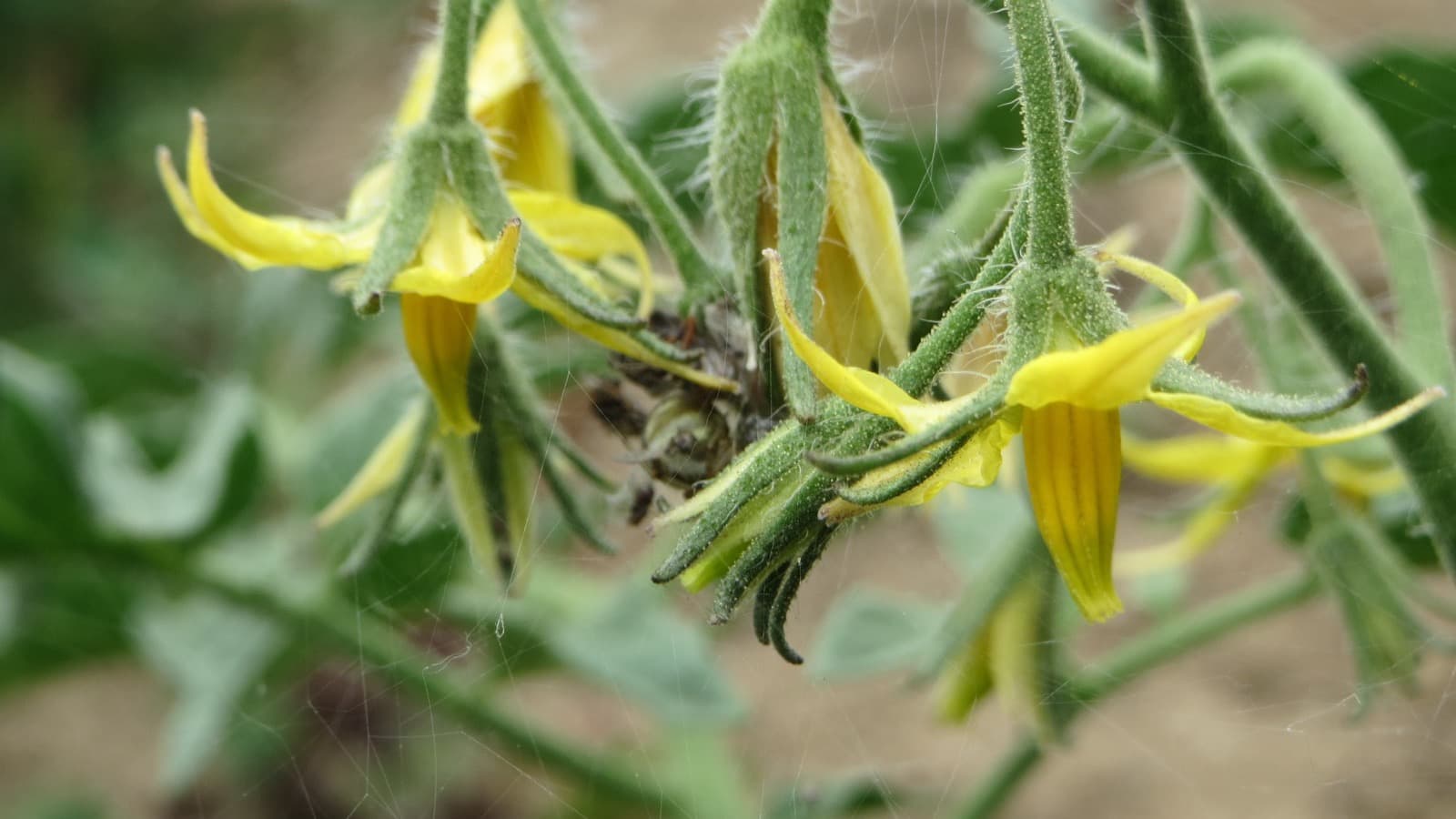
Tomato flowers are self-pollinating and contain both male (anthers) and female (pistil) reproductive parts within the same bloom. Unlike squash or melons that require bees to transfer pollen between separate male and female flowers, tomatoes primarily rely on wind or gentle vibration to shake pollen grains from the anthers onto the stigma.
When environmental conditions prevent pollination or fertilization from occurring within roughly 50 hours of a flower opening, the unfertilized flower sends a hormonal signal to form a natural separation layer at the joint of the flower stem. The stem yellows, snaps cleanly, and the flower drops off without developing fruit.
- Tomato blossoms are self-fertile and pollinated by wind vibration.
- Unfertilized flowers naturally abort within 2 to 3 days of opening.
- Blossom drop is a physiological defense mechanism, not a contagious plant disease.
The critical temperature thresholds for tomato fruit set
Tomatoes have a surprisingly narrow temperature window for successful pollination. Fruit set is optimal when daytime temperatures stay between 70°F and 85°F (21°C to 29°C) and nighttime temperatures remain between 60°F and 70°F (15°C to 21°C).
When daytime temperatures climb above 85°F (29°C)—and especially above 90°F (32°C)—pollen grains become sticky or sterile. Furthermore, if night temperatures remain above 70°F (21°C), the plant burns up food reserves through high nighttime respiration instead of developing fruit. Conversely, cold nights dipping below 55°F (13°C) prevent pollen tubes from growing down to fertilize the ovules.
- Daytime highs above 85–90°F (29–32°C) make pollen sterile and abort flowers.
- Nighttime lows below 55°F (13°C) freeze pollen development.
- Warm nights above 70°F (21°C) cause tomato plants to exhaust energy reserves.
How humidity and wind affect pollen release
Pollen must shed cleanly from the anthers to reach the stigma. In very dry conditions with relative humidity below 40%, pollen grains dry out and fail to stick to the receptive stigma.
Conversely, in prolonged muggy weather where humidity exceeds 70%, pollen grains absorb moisture, clump together into sticky masses, and fail to shed from the flower cones. Gentle breezes are essential for vibrating the blooms and dispersing loose, viable pollen.
- Relative humidity below 40% causes pollen to dehydrate and lose viability.
- Relative humidity above 70% makes pollen sticky and prevents shedding.
- Stagnant, still air reduces natural vibration needed for pollination.
Water stress and nitrogen excess: two common care mistakes
While temperature is the primary driver of blossom drop, everyday garden care often tips the balance. If tomato roots experience severe moisture fluctuations—swinging between drought and waterlogging—the plant prioritizes survival over reproduction and sheds tender blooms.
Fertilizer choice also plays a major role. Excessive synthetic nitrogen feeds lush, dark green foliage and rampant vine growth, but inhibits flower production and triggers blossom drop. Once plants begin flowering, switch away from high-nitrogen feeds to formulas richer in potassium and phosphorus.
- Uneven watering creates root stress that prompts flowers to abort.
- High nitrogen stimulates excessive foliage at the expense of fruit set.
- Apply balanced or potassium-rich organic fertilizers once flower trusses appear.
Practical steps to protect blossoms and encourage fruit set
While you cannot change the outdoor weather, you can moderate microclimate conditions around your tomatoes. Installing 30% shade cloth over overhead trellises during midsummer heat waves lowers leaf and blossom temperatures by up to 10°F, often keeping plants within the fertile pollination window.
Applying 2 to 3 inches of clean organic mulch (straw or woodchips) keeps soil cool and maintains steady moisture. Finally, walking your tomato rows during midday and gently tapping or vibrating the flower stakes can dramatically increase pollination success during calm summer days.
- Use 30% shade cloth to lower daytime heat stress during peak summer heat waves.
- Mulch 2–3 inches deep to maintain stable root temperature and moisture.
- Tap or gently shake flower clusters around midday to assist wind pollination.