GROWERBUDDY
Missouri

When to Plant Garlic in Missouri

Missouri's window is written as an offset from the ground freezing, not from the first frost, and the two events are weeks apart here. Get the anchor wrong and the date lands in September, which is exactly the disagreement a local trial was set up to settle.

Last updated: 2026-09-30• Sources

The short answer

RegionFirst frostCloves go in
Northern countiesSecond week of OctoberMedian first fall frostOctober
Central countiesThird week of OctoberMedian first fall frostMid-October – early November
BootheelLast week of OctoberMedian first fall frostEarly November
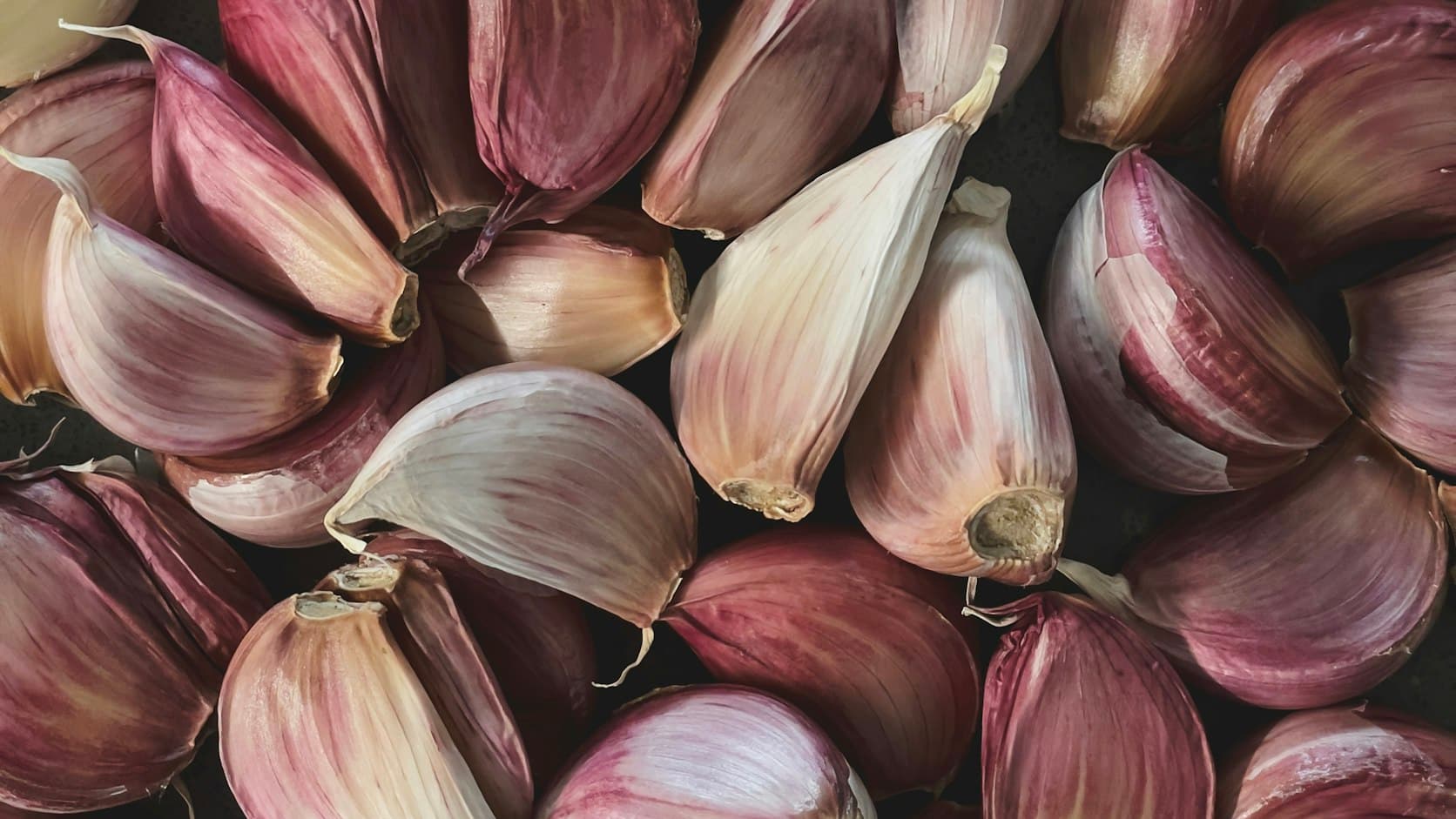
What goes in the groundA clove, not seed. Set it pointed end up, two to four inches deep and three to six inches apart.
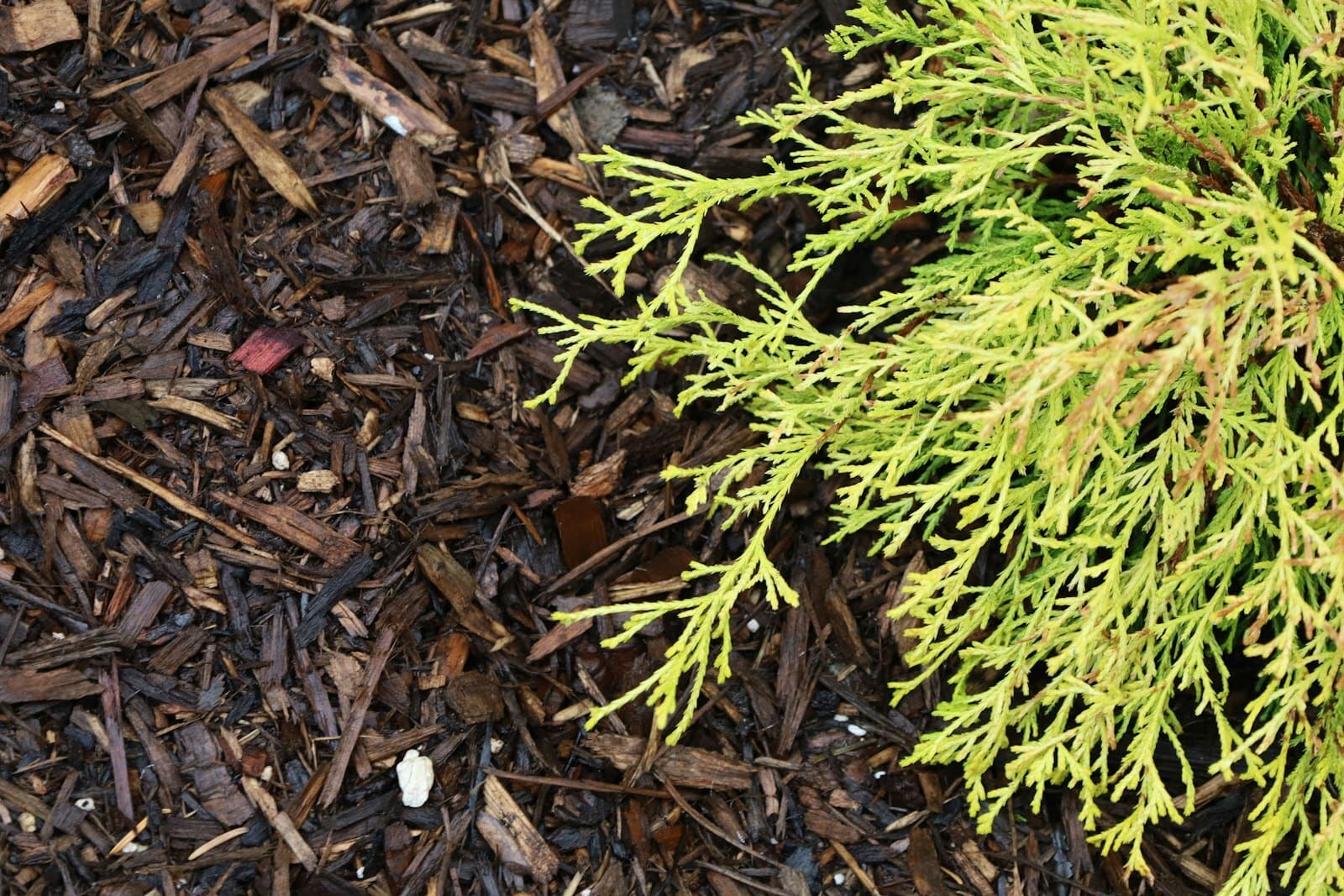
A low evergreen branch resting on a bed of dark wood mulch, the ground a garlic bed is planted into and then covered for the winter.
  1. 01

    Lincoln University plants garlic in October or early November, six to eight weeks before the ground freezes - not before the first frost.

  2. 02

    MU's own first-frost dates run from the second week of October in the north to the last week of October in the Bootheel, which is why the same offset produces a different date in each region.

  3. 03

    The Ozark Plateau frosts earlier than the centre of the state because it sits higher, so it plants on the northern dates despite being in the south.

  4. 04

    Growers in the southwest reported better yields from a September planting, and Missouri State ran a two-year trial on four fall dates to test it.

Two events, weeks apart

Which date are you counting back from?

A garlic recommendation is an offset, so it is only as good as the event it is measured from. Missouri's two candidate events sit weeks apart, and one of them puts the answer in September.

The ground freezing

The soil freezing shut for the winter, which is a different event from the first frost and comes weeks later.

Count back
Six to eight weeks before it
Ground closes
Late November into December across most of the state

This is the anchor the state's own guide uses, and it is the reason the Missouri window opens in October rather than September. A clove put in six to eight weeks before the ground closes has time to root and settle without pushing leaves far enough up to be caught by the first hard freeze.

Lincoln University Cooperative Extension garlic production fact sheet (ISFOP-FS-2).

The first frost

The first autumn night the air reaches 32°F, which MU tracks station by station.

Count back
Not the anchor the state window uses
Frost arrives
Second week of October in the north, last week of October in the Bootheel

The first frost is a good way to find your region and a poor way to count back from. Six to eight weeks before an early-October frost is late August or early September, and a clove planted that early roots quickly, breaks dormancy, and stands its leaves up in the first hard freeze. Treat the frost as the marker for which region you live in, then count the offset from the ground closing.

Frost dates from MU's Missouri Frost/Freeze Probabilities Guide; the offset Lincoln University publishes is measured from the ground freezing.

Ground-freeze offset from Lincoln University Cooperative Extension; first-frost dates from MU's frost and freeze probabilities guide.

By region

Where your county sits in the window

MU publishes first-frost dates by region, and the frost line decides which end of the state window your ground is working towards.

Northern Missouri

The counties along the Iowa line and the wide open farmland south of them, where winter arrives first.

First frost
Second week of OctoberMedian first fall frost. The earliest frost in the state. That is what puts this region at the front of the planting window: its ground also closes first.
Cloves go in
October
Class that fits
Hardneck and softneck both. The state's guide plants both classes in Missouri, and the northern counties are where the cold-demanding varieties have the winter they were selected for.
Counties and towns
Kirksville, Chillicothe, Maryville, Macon, Hannibal
What moves the date here
Nothing local moves this region off the state pattern. It is the pattern: the October window is written for the ground here closing around the start of December.

MU Integrated Pest Management, Missouri Frost/Freeze Probabilities Guide, first fall frost narrative. Offset from Lincoln University Cooperative Extension's garlic fact sheet; the region's first-frost window from MU's frost and freeze probabilities guide.

Central Missouri

The stretch from Columbia and Jefferson City across to St. Louis, and the river country either side of it.

First frost
Third week of OctoberMedian first fall frost. One week behind the north, which is a smaller difference than the region names suggest and a larger one than a single state date can carry.
Cloves go in
Mid-October – early November
Class that fits
Hardneck and softneck both. The middle of the state is where the two classes overlap most comfortably: the softnecks store longest, and the hardnecks that want cold still get it.
Counties and towns
Columbia, Jefferson City, Sedalia, St. Louis, Rolla
What moves the date here
The frost arrives a week later than in the north, so the offset lands a week later on the calendar even though the rule is unchanged.

MU Integrated Pest Management, Missouri Frost/Freeze Probabilities Guide, first fall frost narrative. MU's frost narrative puts central Missouri one week behind the north; the planting offset itself is Lincoln University's.

The Bootheel and the southeast lowlands

The low country in the southeast corner, where the Ozark plateau gives way to flat ground and a longer season.

First frost
Last week of OctoberMedian first fall frost. The latest frost in the state, arriving a fortnight or more after the northern counties and signalling a ground that closes last of all.
Cloves go in
Early November
Class that fits
Softneck. The mildest winter here. Softnecks mature faster and store better, which is what a longer, damper autumn is good for.
Counties and towns
Cape Girardeau, Poplar Bluff, Sikeston, Kennett, Caruthersville
What moves the date here
This is the tail of the state window, not a separate one. Lincoln's early-November end of the range is what the lowlands are actually working towards.

MU Integrated Pest Management, Missouri Frost/Freeze Probabilities Guide, frost progression into the lowlands. Frost progression into the southeast lowlands from MU's frost and freeze probabilities guide, read against Lincoln University's early-November end of the planting range.

The inversion

Why the Ozarks take the northern dates

The Ozark Plateau breaks the rule that southern Missouri is warmer than northern Missouri. It sits higher than the land around it, and cooler air drains off the slopes into the valleys below it, so the plateau frosts earlier in the autumn than the centre of the state does.

MU's guidance is to read the plateau against the northern dates, which is the opposite of what its latitude suggests. Two gardens an hour apart can differ by more than a week, and the plateau is the place in Missouri where that happens most.

  • Find the plateau on MU's frost map before choosing a date. Assuming the southern half of the state is one region is how a garden ends up planted a week late.
  • Low ground is colder than high ground on clear, calm nights, so a valley bottom and the ridge above it are not on the same schedule.
  • The effect runs the other way in spring, which matters when you are judging when the crop will finish rather than when it starts.
10°F or more
How far minimum temperature can move over a short distance

MU's own figure for the spread a change in terrain produces, measured between a valley floor and a nearby hilltop on the same night. It is why a single date for a region is a starting point, not an answer.

MU Integrated Pest Management, Missouri Frost/Freeze Probabilities Guide.

Earlier than the centre
The direction the plateau moves the frost

The Ozarks are more likely to see frost earlier in autumn and later in spring than central Missouri, and the higher ground is the reason MU gives for it.

MU Integrated Pest Management, Missouri Frost/Freeze Probabilities Guide.

The September question, and the trial that tested it

Advice for this part of the state says October. A grower in the southwest told a group of master gardeners that yields were better from a September planting, and nobody could point to research either way, because almost no garlic planting-date work had been done in the United States.

Missouri State University set up a trial to settle it, funded by a federal specialty crop grant. Four autumn planting dates - mid-September, early October, mid-October and early November - went in alongside a spring planting, with three types of garlic at two farms in the southwest.

That is the useful shape of the answer for a Missouri grower: not that September is wrong, but that the September recommendation and the October recommendation are counting back from different events, and the trial was designed to find out which one the bulbs agreed with.

  • Four fall dates tested: mid-September, early October, mid-October, early November.
  • Three types compared: hardneck, softneck, and elephant garlic.
  • One spring date planted as well, to see whether a spring crop is worth a commercial grower's season.

Before you put cloves in the ground

Lincoln University's guide gives the depth, the spacing, and the mulch layer Missouri growers work to.

  • Push a finger into the bed at planting depth. Cold and waterlogged is what rots a clove instead of rooting it.
  • Set cloves pointed end up, two to four inches deep and three to six inches apart, and give elephant garlic four to six inches deep at twelve inches apart.
  • Straw goes on after planting, about three inches of it, and comes off in spring to let the ground warm and the air move.
FAQ

Quick answers before you head back outside

These are the questions that usually come up once the guide turns into real garden work.

What is the best time to plant garlic in Missouri?

October, with early November as the tail of the window in the south of the state. Lincoln University's guide plants garlic six to eight weeks before the ground freezes, and MU's first-frost dates run from the second week of October in the north to the last week of October in the Bootheel.

Is it too late to plant garlic in November in Missouri?

Not in the southern half of the state. Lincoln University's window runs into early November, and the Bootheel's ground closes later than anywhere else in Missouri. What matters is whether the cloves get several weeks of rooting before the soil shuts, so a late planting in the north is a different proposition from the same date in the southeast.

Should I count back from the first frost or from the ground freezing?

From the ground freezing. Lincoln University's offset is measured that way, and the first frost comes weeks earlier. Counting six to eight weeks back from an early-October frost puts you in late August or early September, which is early enough for the leaves to come up and be caught by the first hard freeze.

Why do the Ozarks use the northern planting dates?

Because the plateau is higher than the land around it. MU's guide notes that the Ozark Plateau frosts earlier in autumn and later in spring than central Missouri for that reason, so it works to the northern dates despite sitting in the southern half of the state.

Can I plant garlic in the spring in Missouri?

It is possible and it is not the same crop. A fall planting lets the roots develop while the shoots stay small; a spring planting asks the clove to meet its cold requirement and reach a useful size before the days get long enough to trigger bulbing. Missouri State included a spring date in its trial for exactly this question.

How deep and how far apart does garlic go in Missouri?

Two to four inches deep and three to six inches apart, with the pointed end up. Lincoln University's guide puts larger bulbs such as elephant garlic at four to six inches deep and twelve inches apart, and asks for about three inches of clean straw over the bed for the winter.

Which garlic varieties do well in Missouri?

Both classes grow here. Lincoln University lists softnecks including Carpathian, Early Italian, Nootka Rose, Silver Rose and California Early, and hardnecks including Music, German White, Violet Spring, Metechi, Spanish Roja, Georgian Crystal and Persian Star. The softnecks mature faster and store longer; the hardnecks give fewer, larger cloves.