Bulbs

When to Plant Bulbs

A bag of bulbs is not one question. Spring-flowering bulbs are planted in autumn and need soil that has cooled below 60°F, summer-flowering bulbs go in after the last frost once soil is back above 55°F, and the autumn-flowering kinds go in during late summer. Work out which group you have and the timing stops being a guess.

Reviewed & verified by GrowerBuddy Editorial TeamLast updated: 2026-09-26• Sources

At a glance

What decides it
Bloom time, not the calendar. Bulbs that flower in spring are planted in autumn; bulbs that flower in summer are planted in spring.
Autumn trigger
Soil below 60°F, working toward 55°F, usually late September through November.
Spring trigger
After the last frost, once soil has come back above 55°F.
Depth shortcut
The published rules measure the bulb differently, so treat them as a range and follow the chart for your species.
Planting windows

Bloom time picks the window

There are three planting windows in a bulb year, and which one you are in is decided by when the bulb flowers rather than by the month.

Late summer planting

Flowers this autumn

What opens it
Plant on arrival in warm soil, in August into early September.
Usual timing
Weeks before the flowers, not months. These bulbs do not wait through a winter.
What belongs here
Autumn crocus (colchicum)Saffron crocus
If you miss it
Held back until the autumn window, they flower before their roots have taken hold, spending the corm's stored energy instead of settling in for winter.

Autumn planting

Flowers the following spring

What opens it
Soil below 60°F, working toward 55°F, and well before the ground freezes.
Usual timing
Late September through November, which usually leaves 6 to 8 weeks of rooting weather before the ground freezes.
What belongs here
TulipsDaffodilsCrocusHyacinthsAlliumsGrape hyacinthsSquill and snowdrops
If you miss it
Warm soil invites rot and premature sprouting; soil that is already freezing leaves no time to root, and winter heaving can push an unrooted bulb back out of the ground.

Spring planting

Flowers this summer

What opens it
After the last frost, once soil has come back above 55°F.
Usual timing
Mid-spring once frost has passed, and often staged a week or two apart so the bloom lasts longer.
What belongs here
DahliasGladiolusCannasLiliesTuberous begoniasCaladiums
If you miss it
Cold, wet spring soil rots these before they sprout, and leaving a tender bulb in the ground through winter leaves nothing to replant.
The bulb year

When each bulb goes in, and when it flowers

Read across a row to see the two things that matter: the months the bulb is planted, and the months it flowers. They are rarely in the same season.

PlantingFlowering
  • TulipsTulips: Planting September – November; Flowering April – May.
  • DaffodilsDaffodils: Planting September – November; Flowering February – May.
  • CrocusCrocus: Planting September – November; Flowering February – March.
  • HyacinthsHyacinths: Planting September – November; Flowering April – May.
  • AlliumsAlliums: Planting September – November; Flowering May – June.
  • Grape hyacinthsGrape hyacinths: Planting September – November; Flowering April – May.
  • Squill and snowdropsSquill and snowdrops: Planting September – November; Flowering February – March.
  • Autumn crocusAutumn crocus: Planting August – September; Flowering September – November.
  • DahliasDahlias: Planting April – June; Flowering July – October.
  • GladiolusGladiolus: Planting April – June; Flowering July – August.
  • CannasCannas: Planting April – June; Flowering July – October.
  • LiliesLilies: Planting April – June; Flowering June – August.
  • Tuberous begonias and caladiumsTuberous begonias and caladiums: Planting April – June; Flowering June – September.
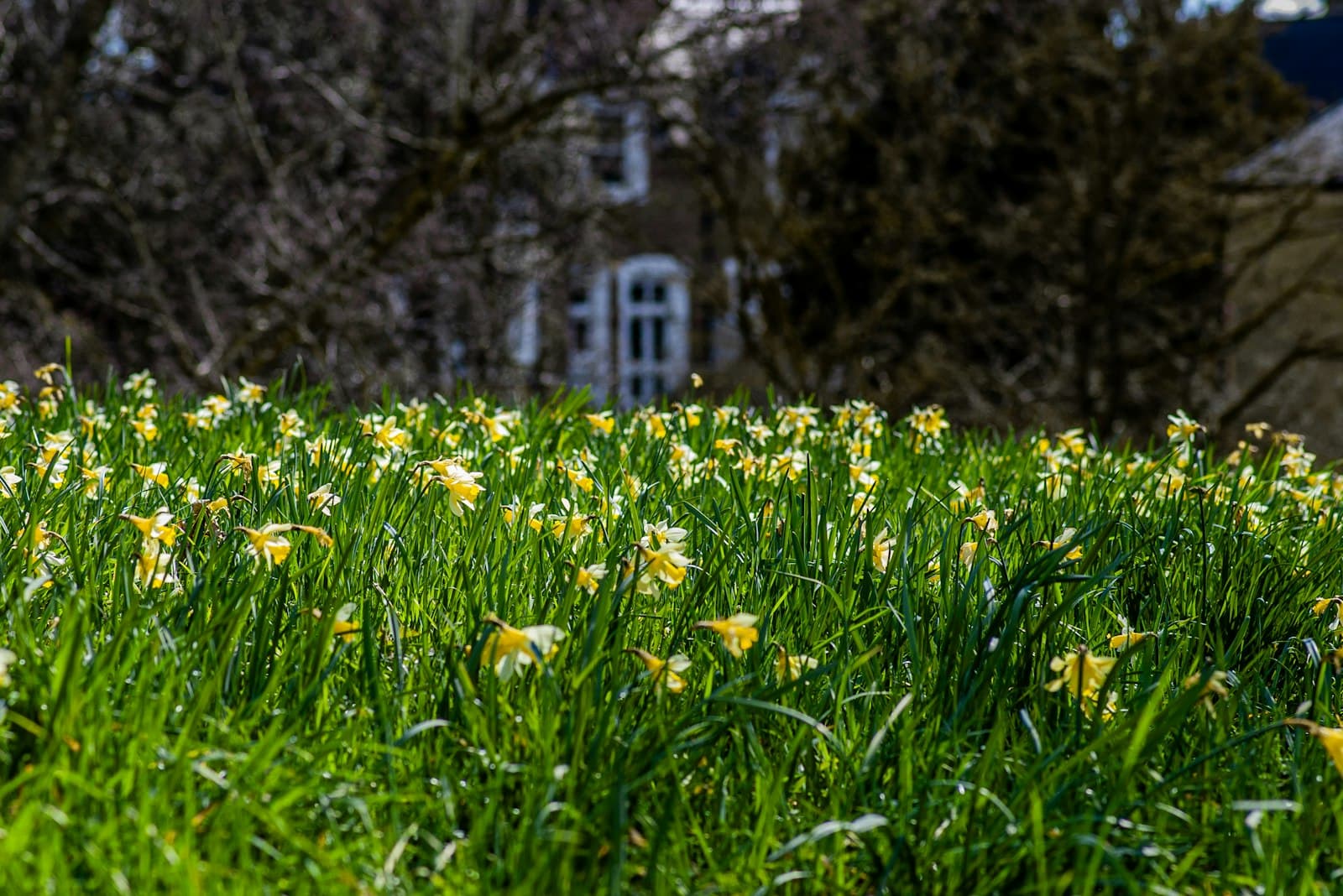
Daffodils naturalized in grass in front of a house in early spring.

Start with these three moves

  • Match the planting window to bloom time, then check soil temperature rather than a date.
  • Autumn-planted bulbs need to root before the ground freezes; the usual shorthand is 6 to 8 weeks.
  • Tender summer bulbs will not survive a frozen winter, so they have to be lifted and stored.
Bulb by bulb

Depth, spacing, and timing for common bulbs

Depth and spacing figures are for well-drained soil. On heavy clay, set bulbs an inch or two higher than the chart says.

BulbFlowersPlantedTriggerDepthSpacing
TulipsIn zones 8 and warmer the bulbs need refrigerator chilling before they go out.Mid to late springAutumnSoil below 60°F6 to 7 in.4 to 6 in.
DaffodilsLate winter into springAutumnSoil below 60°F6 to 7 in.4 to 6 in.
CrocusNaturalizes in lawn edges, but the foliage still has to die back before mowing.Late winter into early springAutumnSoil below 60°F2 to 3 in.3 to 4 in., in groups
HyacinthsRarely worth dividing, so treat a hyacinth planting as a short run rather than a permanent one.SpringAutumnSoil below 60°F4 to 6 in.6 in.
AlliumsLate spring into early summerAutumnSoil below 60°F3 in.12 in.
Grape hyacinthsSpringAutumnSoil below 60°F2 to 3 in.4 in.
Squill and snowdropsSmall bulbs read better scattered and planted where they land than lined up in rows.Late winter into early springAutumnSoil below 60°F2 to 4 in.3 to 6 in.
Autumn crocusFlowers arrive on bare stems weeks later, before any leaves appear.This autumnLate summerWarm soil, planted on arrival3 in.12 in.
DahliasTender: lift and store the tubers before the first autumn frost.Midsummer until frostSpringSoil above 55°F, after frost6 in.2 to 4 ft, by cultivar
GladiolusSet a second batch in two weeks later if you want flowers over a longer stretch.SummerSpringSoil above 55°F, after frost3 to 6 in.2 to 4 in. in the row
CannasSummer until frostSpringSoil above 55°F, after frost1 to 2 in.12 to 24 in.
LiliesHardy lilies are the exception: they can be planted in either window, and many growers prefer late autumn.Early to late summerSpring, or late autumnSoil above 55°F, or plant in late autumn4 to 6 in. of soil over the bulb6 to 10 in.
Tuberous begonias and caladiumsBoth want part shade, and neither survives a frost.SummerSpringSoil above 55°F, after frostBarely covered12 in.

Why there is no single planting date

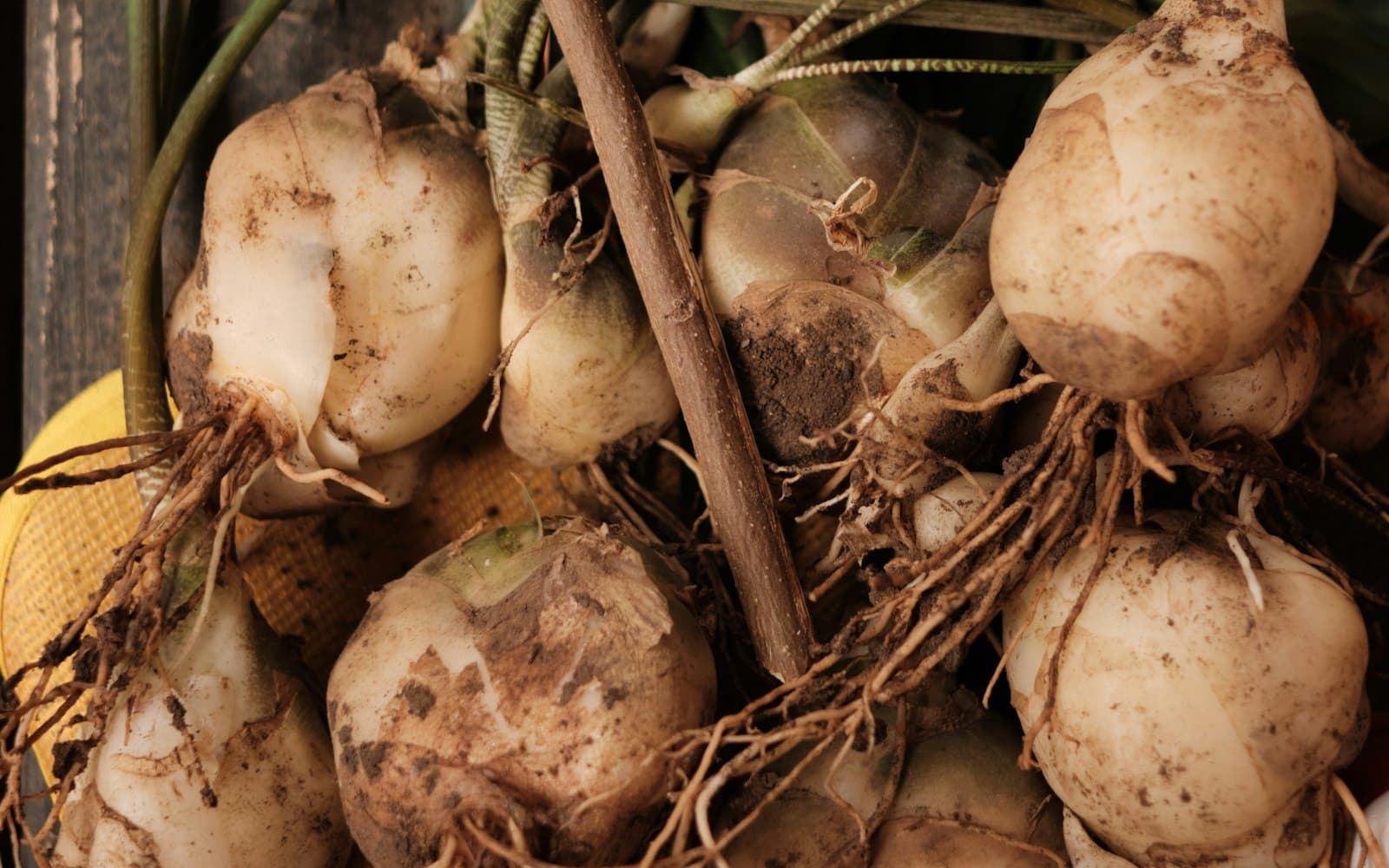
Bulbs are not one group of plants, and the word covers more than true bulbs: crocus and gladiolus grow from corms, dahlias from tuberous roots, cannas from rhizomes. What they share is an underground store of food and a dormant season, and what separates them is when they flower.

A bulb that flowers in spring needs its cold period first, so it goes into the ground in autumn and sits there dormant through winter. A bulb that flowers in summer has no cold requirement at all and cannot take a frozen winter, so it is planted in spring and lifted again in autumn. A third, smaller group flowers in autumn itself and is planted in late summer.

That is why a single date cannot answer the question, and why the same species still moves by several weeks from one garden to the next. Autumn arrives later in a warm coastal garden than it does inland at the same latitude, and the ground freezes at very different times.

  • Flowers in spring: plant in autumn, and expect to leave it alone through winter.
  • Flowers in summer: plant in spring, and lift it before winter if it is tender.
  • Flowers in autumn: plant in late summer, with no dormant season in between.

Use soil temperature, and the calendar as a backup

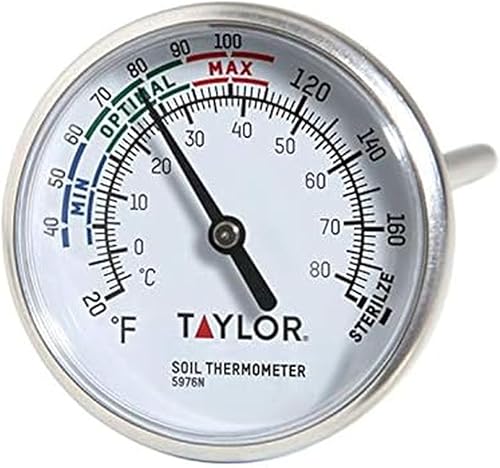
The cleanest signal for autumn planting is soil temperature, and extension guidance puts the trigger below 60°F with around 55°F as the target. That range is what root growth needs: warm soil encourages rot and premature top growth, and soil that is already freezing stops the process before roots can form.

If you would rather work from the calendar, the usual shorthand is 6 to 8 weeks before the ground typically freezes in your area. The two rules tend to point at the same fortnight, but soil temperature absorbs an unusual autumn better than a date does. September and October are the months that usually leave enough rooting weather before the freeze.

The forgiving edge of the window is the late one. Bulbs can still go in until the ground freezes, and plenty of gardeners plant well into November. What you are giving up is rooting time, not the planting itself.

The spring window runs the same rule backwards. Summer-flowering bulbs want soil that has reached at least 55°F and frost that has passed, and bulbs planted into colder soil than that tend to rot before they sprout.

  • Autumn: soil below 60°F, aiming for 55°F, roughly 6 to 8 weeks before the ground freezes.
  • Spring: after the last frost, once soil is back above 55°F.
  • Measure where the bulbs will sit, in the bed you actually intend to plant, at bulb depth.

Cold winters, warm winters, and the refrigerator

Spring-flowering bulbs need a long cold stretch to flower well, on the order of 12 to 16 weeks, and a mild winter may not deliver it. In zones 8 and warmer the practical answer is to chill the bulbs yourself: keep them at around 38 to 45°F for 6 to 12 weeks, then plant them out at the coolest point of the season.

Keep bulbs away from ripening fruit while they chill. Fruit gives off ethylene gas, and it can damage the flower that is already formed inside the bulb. A refrigerator used for fruit is not a good chilling space for that reason.

The same logic explains why a warm-climate garden can still plant tulips and daffodils successfully while never giving them the winter they expect. The cold requirement does not disappear; it just moves indoors.

  • Zones 8 and warmer: pre-chill for 6 to 12 weeks at 38 to 45°F.
  • Keep chilling bulbs away from ripening fruit.
  • Pre-chilled bulbs usually bloom best in their first season.

Depth, spacing, and which end goes up

Two depth shortcuts get published and they do not quite agree, because one measures the bulb's height and the other its width. One widely used version is four times the height of the bulb from soil surface to tip; another is two and a half to three times the bulb's diameter. Treat either as a starting range rather than a number, and let the species chart decide, because a crocus and a daffodil are not in the same league.

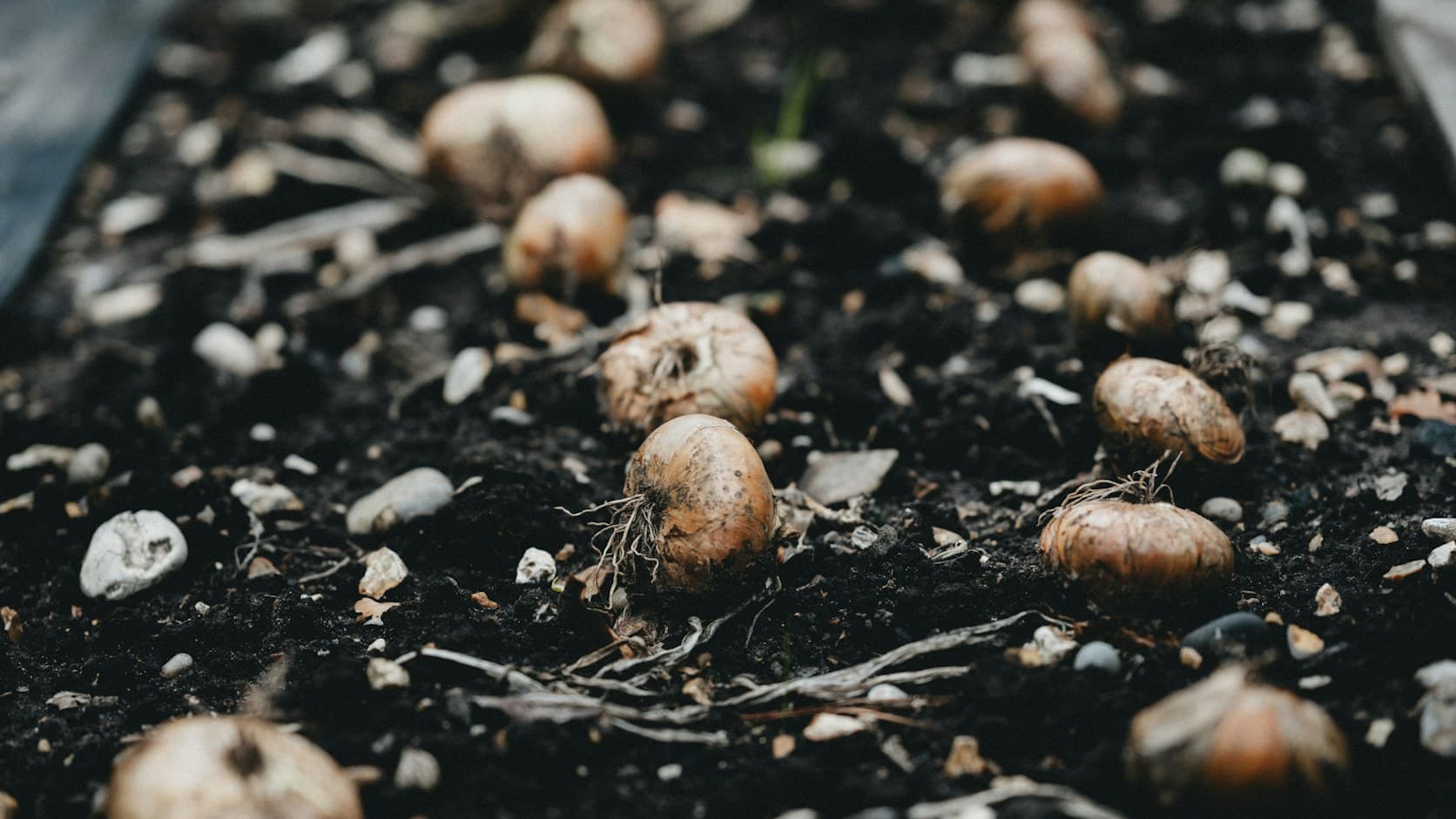
Set the bulb with the growing tip up and the root plate down. In most bulbs the pointed end is the tip and the flat, slightly dished end is where the roots come from. If you genuinely cannot tell, planting a bulb on its side is usually survivable; planting it upside down is not.

Drainage matters more than richness. Bulbs sit in the ground through the wettest part of the year and rot in soil that stays saturated, so prepare the bed deeply and avoid compacting the soil directly beneath the bulbs, which creates a hard layer that holds water.

One site note worth taking seriously: a south-facing bed right against a foundation warms early and can push growth out ahead of the last freeze, which then damages it. Slightly cooler ground that stays closed a little longer is the safer choice.

  • Depth: about four times the bulb's height, or two and a half to three times its width, then check the species chart.
  • Spacing: 4 to 6 in. for large bulbs like tulips and daffodils, 1 to 3 in. for the small ones.
  • Phosphorus is best placed at planting depth, because it barely moves through soil.

What the bulbs need after planting

Once the ground has frozen, mulch the bed with a few inches of loose material. The point is not warmth but consistency: it stops the repeated freezing and thawing that breaks roots and pushes bulbs out of the ground. Pull the mulch back in early spring before growth gets going, or leave it if the shoots can come through it easily.

The single most important thing you can do after the flowers fade is leave the foliage alone. Those leaves are feeding the bulb that will flower next year, and cutting them while they are still green takes that away. Let them yellow and die back on their own, then clear them. Deadheading matters for the same reason: a seed head is food being spent somewhere you do not want it.

Feed, if you feed at all, while the foliage is still green. The flower inside the bulb is already formed when you plant it, so feeding then is working on next year's bulb.

Bulbs left in place for several years eventually crowd and lose vigor. When blooms start coming in smaller, lift them after the foliage has died back, separate the good bulbs, and replant them somewhere new.

  • Mulch after the ground freezes, and clear it early in spring.
  • Do not cut foliage until it has yellowed on its own.
  • Deadhead, but keep the stem and leaves.
  • Divide crowded plantings after the foliage has died back.
Bulb rule

Two checks, in order

The month is only a proxy. Work out which window your bulb belongs to, then let soil temperature tell you whether that window has opened.

Spring bloomers: plant in autumn, soil below 60°F.

Summer bloomers: plant after the last frost, soil above 55°F.

Autumn bloomers: plant on arrival in late summer.

Open the planting calendar

The planting calendar reads your local soil temperature and the week ahead, then shows whether the autumn bulb window has opened or the ground is still too warm.

When the timing goes wrong

If you planted at the wrong time

Bulbs are forgiving more often than they are ruined. Here is what each mistake actually costs, and what to do next.

  1. I planted spring-flowering bulbs in spring.

    What you will see
    They want a cold stretch before they can flower properly, so they usually push up leaves and then stop, or open a few small blooms.
    What to do
    Leave them where they are and they should flower normally the following spring. If you lift them instead, keep them cool and dry and put them back in at the autumn window.
  2. I planted in early autumn while the soil was still warm.

    What you will see
    Warm, wet soil is the rot window. A bulb that sprouts in mild weather also sends tender growth into the first hard freeze.
    What to do
    Wait for soil below 60°F. If they are already in, water only enough to settle the soil and hold the winter mulch until the ground actually freezes.
  3. The ground is about to freeze and my bulbs are still in the bag.

    What you will see
    A bulb that never rooted cannot catch up, and freezing and thawing over winter can heave an unrooted bulb out of the ground.
    What to do
    Plant them anyway while the soil is still workable. Bulbs can go in until the ground freezes, and a late planting beats a bulb left in the bag.
  4. My summer bulbs stayed in the ground over winter.

    What you will see
    Dahlias, gladiolus, cannas, caladiums and tuberous begonias are tender, and in most gardens a freeze finishes them.
    What to do
    Lift the tubers, corms or rhizomes once the foliage yellows, cure them somewhere shaded for one to three days, then store at 50 to 55°F and keep them away from anything below 45°F or above 70°F.
  5. I planted my dahlias into cold, wet spring soil.

    What you will see
    The tuber rots before it sprouts, which is the same failure the autumn window is trying to avoid, one season over.
    What to do
    Wait for the last frost and soil above 55°F. On slow-draining ground, start the tubers in pots and move them out once the soil has warmed.
  6. I bought bulbs in late summer and I am not ready to plant.

    What you will see
    Stored badly, bulbs dry out, grow mold, or start into growth weeks before you wanted them to.
    What to do
    Keep them cool and dry, around 60 to 65°F, with air moving around them, and discard anything soft or moldy before you plant.
FAQ

Quick answers before you head back outside

These are the questions that usually come up once the guide turns into real garden work.

What bulbs can I plant right now?

That changes with the season. In autumn you are in the window for spring-flowering bulbs such as tulips, daffodils, crocus and hyacinths. In spring, once frost has passed and soil is above 55°F, it is the turn of dahlias, gladiolus, cannas and lilies. In late summer, autumn crocus and saffron crocus go in straight away.

Which is the best month to plant bulbs?

For spring-flowering bulbs, late September into October is the usual target, because it leaves the most rooting weather before the ground freezes. For summer-flowering bulbs, the equivalent answer is mid-spring, after the last frost and once soil has passed 55°F.

What happens if I plant bulbs in spring?

If they are spring-flowering bulbs, they will not have had the cold period they need, so expect leaves and few or no flowers, and small ones at that. They are usually fine left in the ground and will flower properly the next spring.

Can I plant bulbs in summer?

If you mean summer-flowering bulbs, yes, as long as they go in after the last frost and into soil above 55°F. Dahlias and gladiolus planted in early summer simply flower later, and gladiolus can be set in batches a week or two apart for a longer run. For spring-flowering bulbs it is the wrong end of the year: the soil is at its warmest and there is no rooting season left before they are due to flower.

How long can I hold bulbs before planting them?

Autumn-planted bulbs keep well for weeks if they stay cool and dry, around 60 to 65°F, with air moving around them instead of packed in a sealed bag. Check them for mold and discard any that have gone soft. Autumn crocus is the exception: it flowers within weeks of planting, so plant it on arrival.

Do bulbs need fertilizer at planting time?

The flower is already formed inside the bulb when you plant it, so fertilizer at planting goes toward next year's bulb. If you use it, phosphorus is the one worth placing at planting depth, because it barely moves through the soil and roots will not find it later if it is left on the surface.
Products to consider

As an Amazon Associate I earn from qualifying purchases.

These products support the garden jobs covered above. If you buy through a link, GrowerBuddy may earn a commission at no extra cost to you.

The price tier is a rough guide to where this product usually sits in its category, not a live price. Check Amazon for the current price and availability.