Garlic Growing Guides
Garlic goes in during the autumn and comes out the following summer, and almost every recommendation about it is an offset - four to six weeks before something. The something differs by state, and that is where most of the confusion comes from. Start with the crop itself, then find the window that matches the event your own ground is heading towards.
What you'll find here
What each state's window is counted back from
A garlic date is an offset, so it only means something once you know the event it is measured from. The states below do not use the same one, and two of them have changed their minds about which to use.
| Where | Counted back from | The window it gives |
|---|---|---|
| Montana | The ground freezing shut | Mid-October, often to November |
| Maine | The ground freezing, and the stock's own temperature | Mid-September to the end of October |
| Vermont | The first freeze, which arrives in three stages | Three stages, late September to early November |
| Georgia | The first killing frost, plus a belt offset | Late September to early November |
| Missouri | The ground freezing, not the first frost | October to early November |
- Montana
- The first frost arrives in the second week of September here, so a grower counting back from the frost instead plants about ten weeks early. Montana is also the one state whose guide says to leave the mulch off where snow cover can be relied on.
- Maine
- The dates run north to south down the state. The half a date cannot carry is the seed stock: cloves held at 43–50°F for about a fortnight before planting produce a different bulb from the same variety held warm.
- Vermont
- The state's own two articles are a month apart because the first freeze crosses it in stages: mid-September in the sheltered Northeast Kingdom valleys, October on the Champlain shore. The lake is the difference.
- Georgia
- One statewide window, with the mountain counties about two weeks earlier and the coastal plain about two weeks later. What decides the crop here is whether the winter delivers the cold a clove needs to divide at all.
- Missouri
- The state's guide is explicit that the offset is from the ground closing, which is weeks after the first frost. A local trial was run on the September planting that counting from the frost produces.
Anchors and windows read from each state's own extension or growers' association publication; the pages below name the source behind every figure.
Open the page that matches what you need next
Start with the main question, then move into the guides, fixes, and tool pages that are most likely to help next.
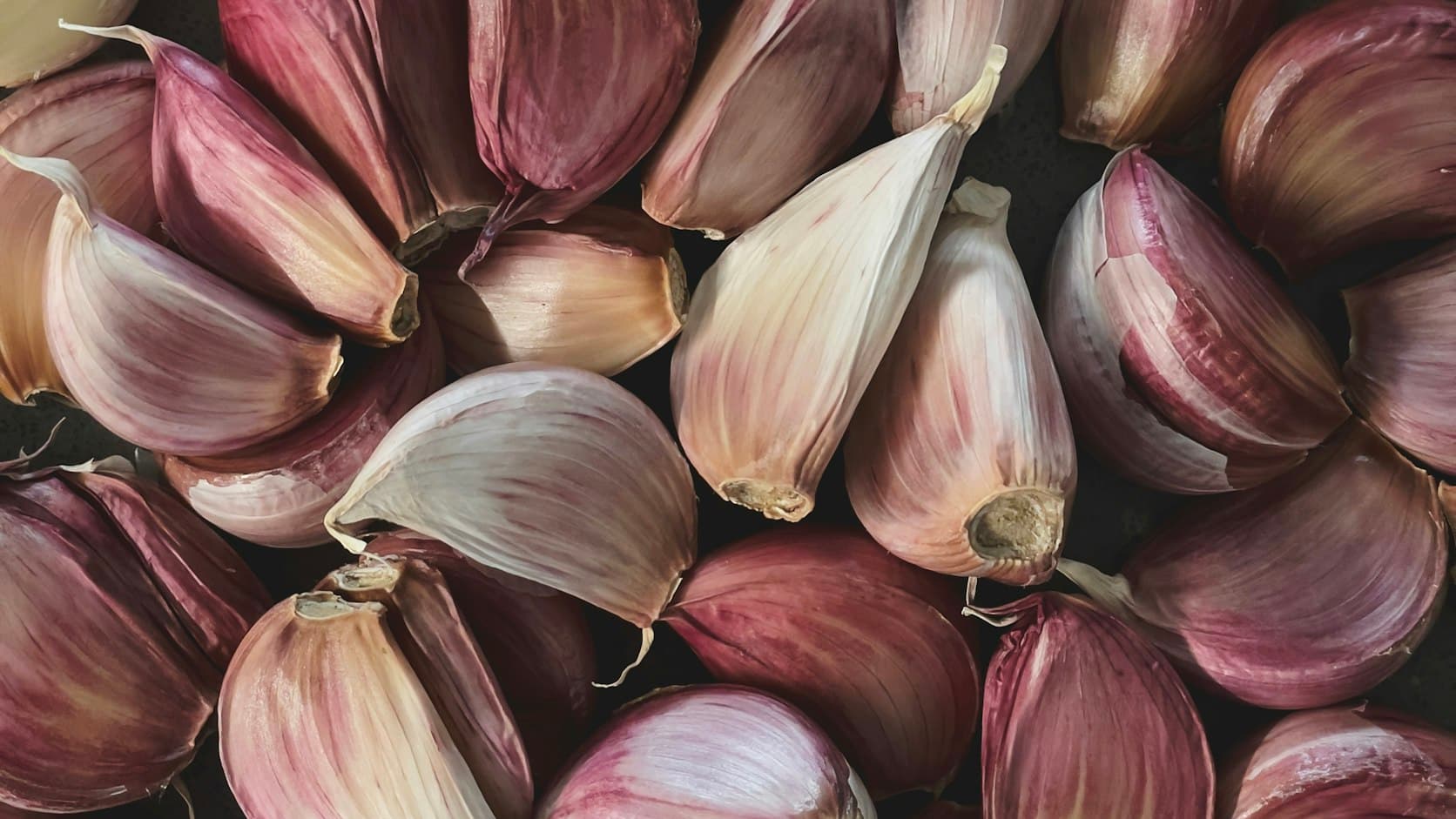
Guide
When to Plant Garlic
Plant garlic in the fall once soil has cooled to about 50°F, commonly one to three weeks after the first killing frost and four to six weeks before the ground freezes.
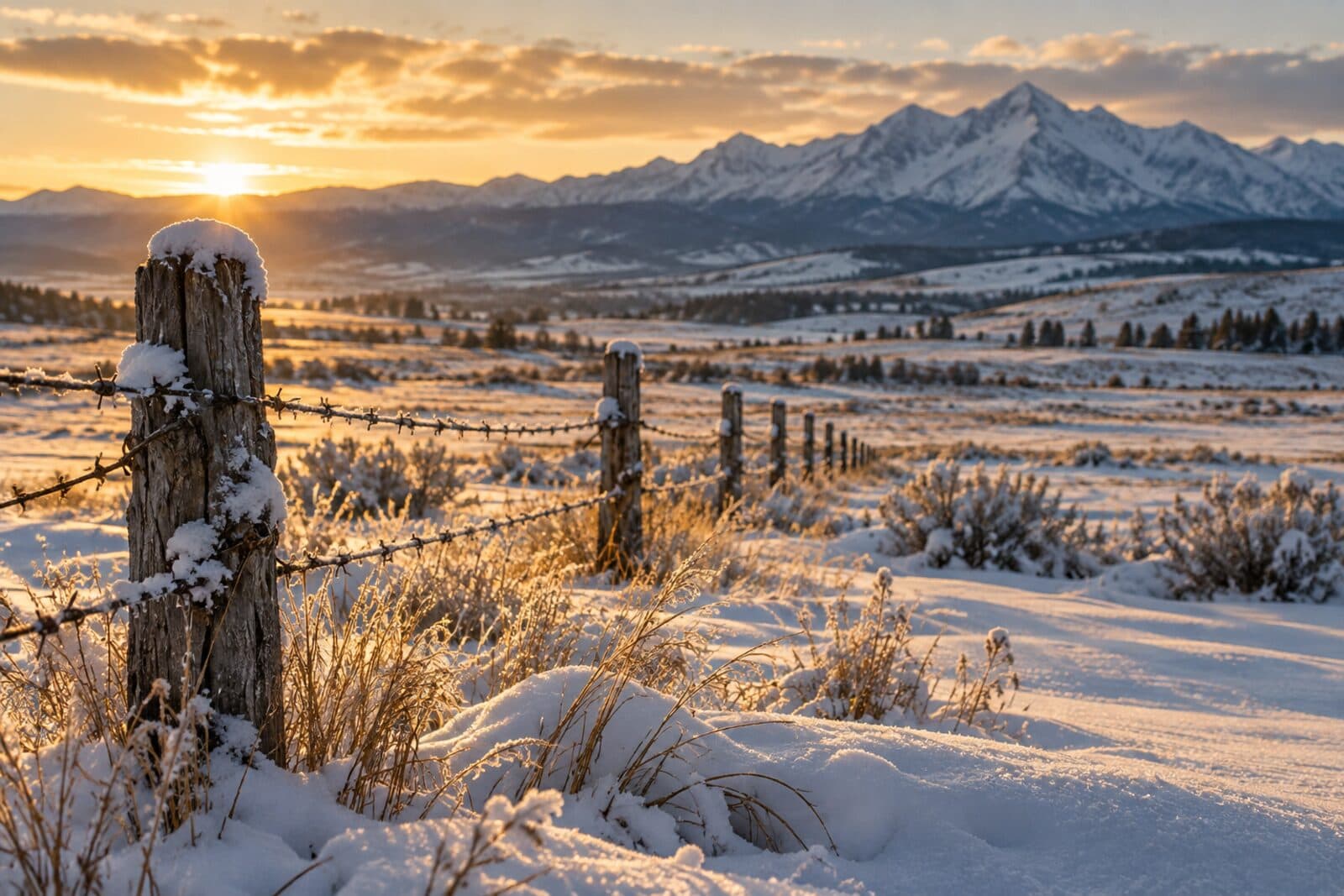
Guide
When to Plant Garlic in Montana
Montana garlic planting dates, the ten-week gap the state's own offset is measured across, and the winters that decide whether cloves need mulch.
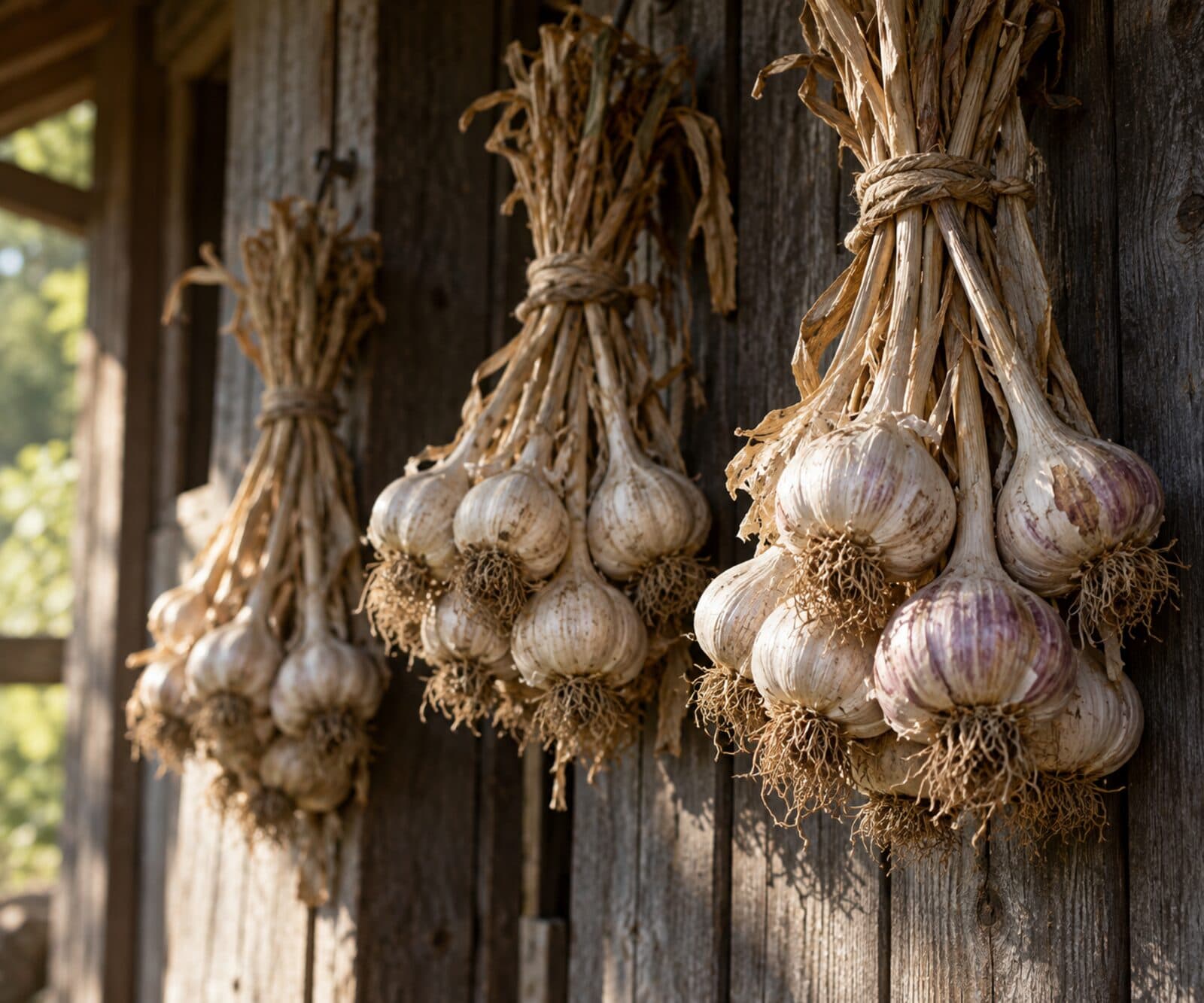
Guide
When to Plant Garlic in Maine
Maine garlic planting dates north to south, the temperature seed cloves should be held at first, and where the state's own publications disagree.
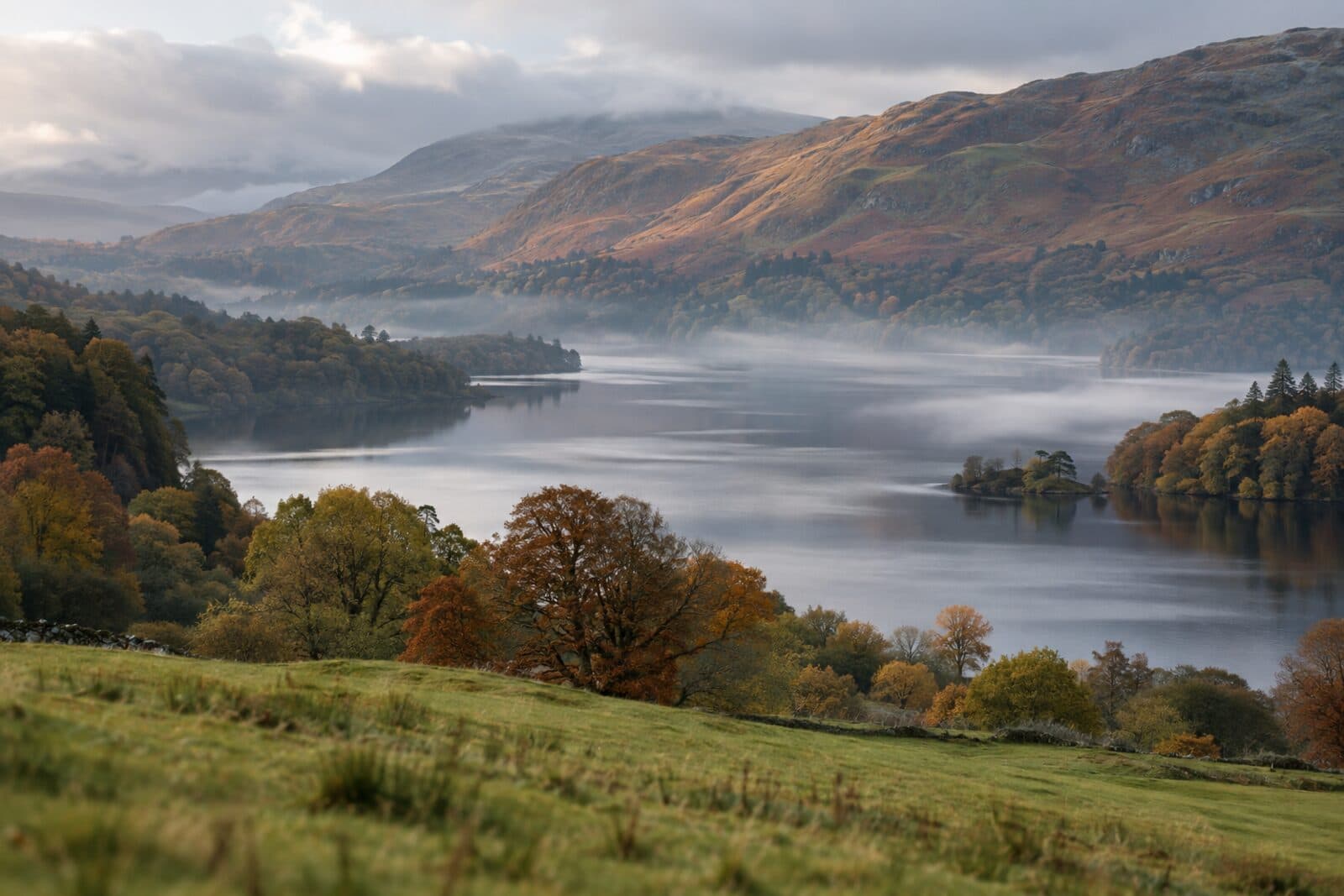
Guide
When to Plant Garlic in Vermont
Vermont garlic planting dates for the three freeze stages across the state, the lake effect that separates them, and why the state's own articles disagree.
Guide
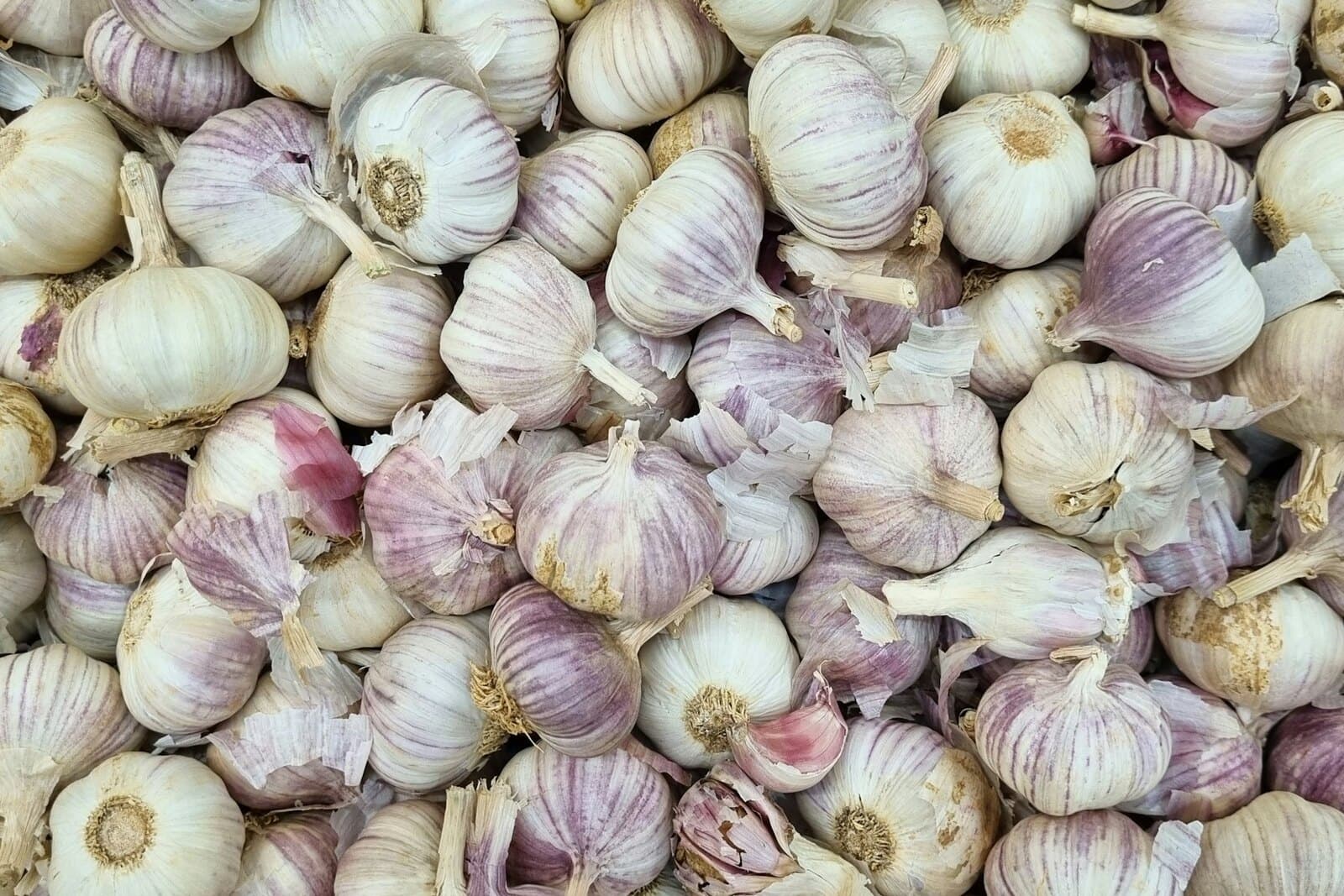
When to Plant Garlic in Georgia
Planting dates for Georgia's three belts, the two-week offset behind each one, and the winter cold a garlic bulb needs.
Guide
When to Plant Garlic in Missouri
Planting dates for Missouri's regions, the two anchor events they are counted from, and why the Ozarks take the northern dates.