When to Plant Garlic in Vermont
Vermont's two extension articles on garlic are a month apart, and both are right. The first freeze crosses the state in three stages - the Northeast Kingdom in mid-September, central Vermont a fortnight later, the Champlain Valley in October - and the lake is what separates them.
The short answer
| Where you are | First freeze | Cloves go in |
|---|---|---|
| Sheltered valleys | Mid-SeptemberMedian first freeze, sheltered valleys | Late September to early October |
| Central Vermont | Second half of SeptemberMedian first freeze, central Vermont | Early to mid-October |
| Champlain Valley | Early to late OctoberMedian first freeze, lake shore | Mid-October to early November |
| What goes in the ground | A clove, not seed. Set it pointed end up and the top of the clove one to two inches below the surface, six inches apart in the row. | |
- 01
The state's two extension articles disagree by about a month: one plants late September to mid-October, the other mid-October to late November.
- 02
The first freeze reaches the sheltered Northeast Kingdom valleys in mid-September and the Champlain Islands in late October - roughly six weeks of difference inside one state.
- 03
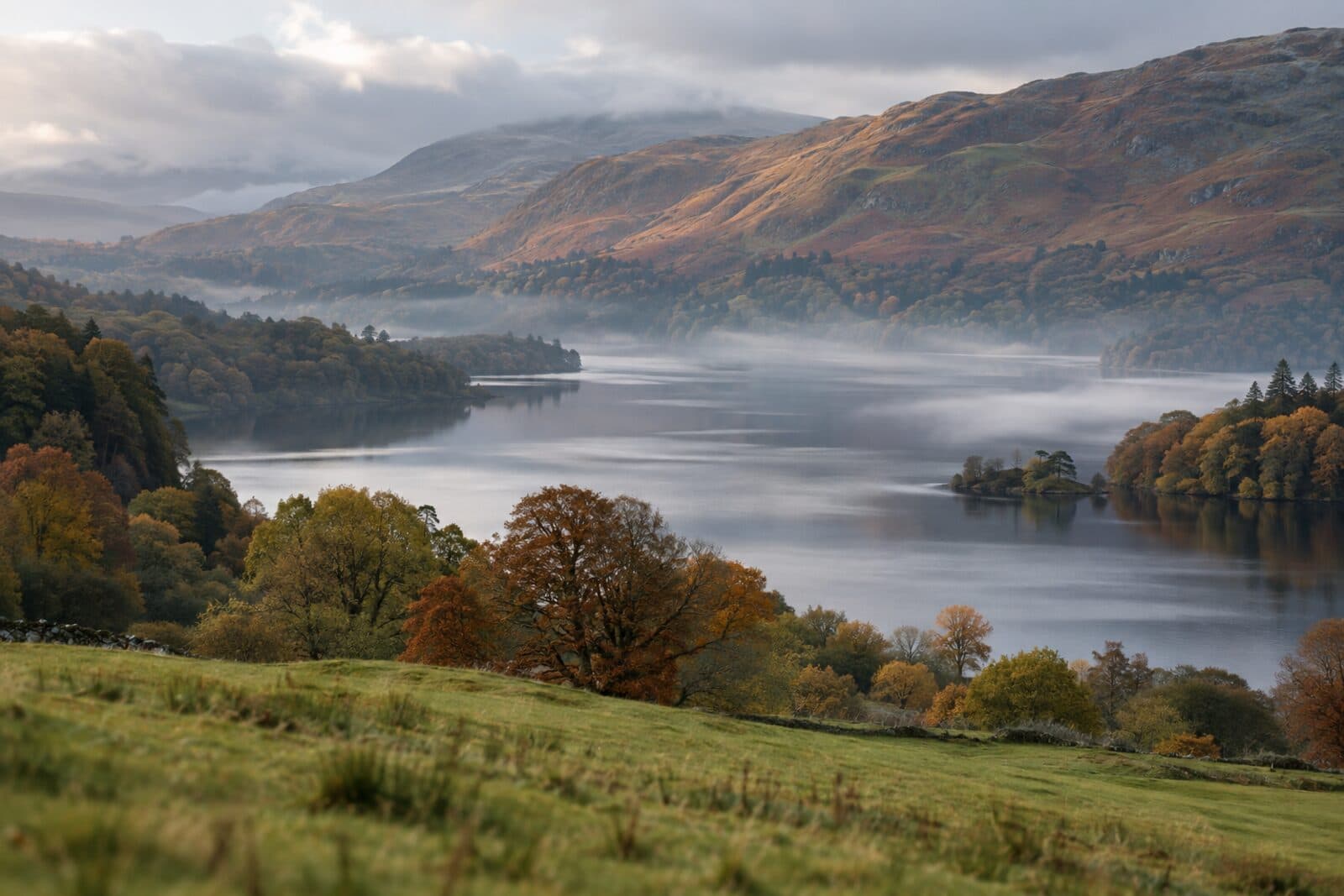
Lake Champlain is the reason. Warm water in autumn keeps the shore mixing overnight, so it cools more slowly than the inland valleys and freezes later.
- 04
Both articles agree on what the date is protecting: roots established before the ground closes, and no leaves standing above the soil into winter.
Find the stage your first freeze arrives in
The freeze does not cross Vermont on one night. It works down from the sheltered valleys of the Northeast Kingdom to the shore of Lake Champlain over about six weeks, and the planting date follows it.
What the two windows cover
Three windows, six weeks apart
What the state's two articles cover between them, once the freeze stages are read against it. The colder end belongs to the Northeast Kingdom and the later end to the Champlain Valley, which is why both articles are current and neither is a state rule.
Span read from the two UVM Extension Master Gardener garlic articles and the National Weather Service Burlington freeze climatology.
What the state's two articles cover between them, once the freeze stages are read against it. The colder end belongs to the Northeast Kingdom and the later end to the Champlain Valley, which is why both articles are current and neither is a state rule.
Span read from the two UVM Extension Master Gardener garlic articles and the National Weather Service Burlington freeze climatology.
- 01
The sheltered valleys
- First freeze
- Mid-SeptemberMedian first freeze, sheltered valleys. The earliest stage in the state. Narrow valleys with high ground around them lose their heat fastest on a clear night, because the air settles and stops mixing. These sites are cold enough that rare summer freezes have been recorded in them.
- Cloves go in
- Late September to early October
- What puts you in this stage
- Terrain, not latitude. A valley floor that radiates well on a calm night freezes before ground at the same latitude that sits open to the wind.
- Towns
- Island Pond, Sutton, West Burke, Newport, St. Johnsbury
National Weather Service Burlington freeze climatology, Northeast Vermont section. Freeze stage from the National Weather Service Burlington freeze climatology; the planting window from UVM Extension's earlier garlic article.
- 02
Central Vermont and the river basins
- First freeze
- Second half of SeptemberMedian first freeze, central Vermont. Later than the sheltered valleys and earlier than the lake shore. The larger river basins hold a little more warmth, and the fog that forms in them on autumn nights keeps the surface from cooling as fast.
- Cloves go in
- Early to mid-October
- What puts you in this stage
- Whether you are in a wide river basin or a small tributary valley. The two can be a few miles apart and two weeks apart on the same night.
- Towns
- Montpelier, Barre, Rutland, Woodstock, Middlebury
National Weather Service Burlington freeze climatology, central Vermont section. Freeze stage from the National Weather Service Burlington freeze climatology; the planting window read from the state's two garlic articles.
- 03
The Champlain Valley and the islands
- First freeze
- Early to late OctoberMedian first freeze, lake shore. The latest stage in the state, and the one that runs against expectation: the northern shore freezes later than southern Vermont does. The first two weeks of October are typical along the valley, and South Hero in the islands typically waits until mid to late October.
- Cloves go in
- Mid-October to early November
- What puts you in this stage
- How close you are to the water. The delay is progressive and has no line in it: the further a site sits from the lake, the earlier its first freeze.
- Towns
- Burlington, South Hero, St. Albans, Shelburne, Grand Isle
National Weather Service Burlington freeze climatology, Champlain Valley section, including the South Hero station. Freeze stage from the National Weather Service Burlington freeze climatology; the planting window from UVM Extension's later garlic article.
Why the lake is worth six weeks
Lake Champlain is deep, wide, and slow to lose its summer heat. Through October it stays warmer than the land around it, and that has two effects on a clear autumn night. It keeps the air above the shore mixing, so the coldest air does not settle at ground level the way it does in a valley. And it warms the air that passes over it, so a garden on the shore is working with a different overnight temperature from one twenty miles inland.
The National Weather Service's climatology describes the effect as progressive and not as a boundary. The median first freeze is later at every site closer to the water, and South Hero - on an island in the lake - is the latest of the thirty-two stations analysed. The reverse holds in spring, when the same water is cold and holds the shore back, which is why the growing season is longest on the islands at both ends.
- A lakefront garden and an inland garden twenty miles away can be three weeks apart on the same night, and the difference runs in the direction that surprises people.
- Southern Vermont is not automatically the warmer end of the state. The Champlain Islands sit further north than Rutland and freeze later.
- The lake effect weakens in spring instead of reversing. The climatology notes that because the water is near freezing in spring, the difference between Burlington and South Hero is smaller for the last freeze than for the first.
- The stage you are in is a better guide than a hardiness zone, because the zone is drawn from winter minimum temperatures and this question is about autumn cooling.
Mid-September in the sheltered valleys of the Northeast Kingdom to mid to late October on the Champlain Islands. That span is the reason one state cannot have one garlic date.
National Weather Service Burlington freeze climatology, regional narratives.
Saranac Lake, just across the New York line, is the cold spot the climatology uses as its benchmark, and it is the earliest of the sites analysed. The Northeast Kingdom valleys sit in the same stage.
National Weather Service Burlington freeze climatology, Northern Adirondacks section.
The latest median first freeze in the forecast area, and a site that sits north of most of the state. It is the clearest single demonstration of what the lake does.
National Weather Service Burlington freeze climatology, Champlain Valley section.
A percentile analysis over a 30-year period, station by station, and not a zone map. It is why the page can name the mechanism instead of only the outcome.
National Weather Service Burlington freeze climatology, methodology section.
The National Weather Service's freeze climatology for the Burlington forecast area is built from 30 years of station records, not from a zone map, which is why it can name the mechanism and not only the outcome.
Why the state's own advice disagrees with itself
Vermont's extension service has published two garlic articles by Master Gardener volunteers. One plants in late September to mid-October and the other from mid-October until late November. The stages above are what reconciles them.
Vermont's extension service has two garlic articles by Master Gardener volunteers, both still on the university's site. The earlier one plants in late September to mid-October and says that a clove put in then will root without developing significant tops before the ground freezes. The later one plants from mid-October until late November and says you can plant until the soil starts to freeze or is covered with snow.
Read against the freeze stages, they are describing different parts of the state and different autumns. The late-September window is the Northeast Kingdom's and the uplands'. The mid-October-to-November window is the Champlain Valley's, where the first freeze itself does not arrive until October. The earlier article's author gardens in the uplands and the later article's author was writing after a run of mild autumns, and both were accurate for the ground they were standing on.
- Take the earlier window if your first freeze lands in September, which is the inland and upland case.
- Take the later window if you are on or near the lake, where the first freeze is an October event.
- Both windows are bounded by the same rule, and it is the one to fall back on: roots in, leaves not out.
- Where the two disagree the later one is safer in a warm autumn and riskier in a cold one, because the ground can close before the window ends.
Written for ground where the growing season ends early, and the window the uplands and the Northeast Kingdom sit in. Its stated goal is roots without significant tops.
UVM Extension, It's Time to Plant the Garlic, planting paragraph.
The later of the two, and the one that reaches the lake shore. It allows planting until the soil starts to freeze or is covered with snow, which is the same rule the state's other article states from the other end.
UVM Extension, It's Time to Plant Garlic!, planting paragraph.
Both articles rest on the same requirement, and the university's factsheet gives it in the same terms: garlic needs a cold treatment of 40°F for about two months to induce bulbing. The planting date is how the clove collects it.
UVM Extension garlic factsheet, why fall planting section.
The regional figure the New England Vegetable Management Guide publishes, which sits between the state's two windows and orders the region from October in northern New England to early November in the south.
UMass Amherst New England Vegetable Management Guide, garlic planting section.
Both articles are current on the university's site; the freeze stages are from the National Weather Service Burlington freeze climatology.
Before you put cloves in the ground
- Order from a Northeast grower or a catalogue that serves the region, and avoid supermarket garlic, which may be treated to prevent sprouting and is often a variety adapted to a longer season.
- Work one to two inches of compost over the bed and leave it on the surface. The university's advice is to let the winter take it down, which also avoids disturbing the soil before a dormant planting.
- Plant in a double row a foot apart if you are in a raised bed, which is the layout the state's later article describes from its own garden.
- Mulch with four to six inches of straw and tamp it lightly so the wind does not take it. The straw is what stops the freezing and thawing that lifts cloves out of the ground.
- Mark the ends of the rows. A garlic bed is bare ground for five months, and it is easy to lose the row to a spring digging.
Quick answers before you head back outside
These are the questions that usually come up once the guide turns into real garden work.
When should I plant garlic in Vermont?
It depends which of the state's three freeze stages you are in. The sheltered valleys of the Northeast Kingdom freeze in mid-September and plant late September to early October; central Vermont and the river basins freeze in the second half of September and plant in early to mid-October; the Champlain Valley and the islands freeze in October and plant mid-October to early November.
Why do Vermont's own garlic articles disagree about the date?
Because they were written for different parts of the state. The earlier window, late September to mid-October, is the upland and Northeast Kingdom case. The later one, mid-October to late November, is the Champlain Valley's, where the first freeze itself does not arrive until October. Both are current on the university's site and both are accurate for the ground their authors were describing.
Why is the Champlain Valley warmer than southern Vermont?
Lake Champlain holds its summer heat into October. Warm water keeps the air above the shore mixing, so the coldest air does not settle at ground level, and it warms air passing over it. The National Weather Service's climatology shows the median first freeze arriving later at every site closer to the water, with South Hero in the islands the latest of the thirty-two stations analysed.
Can I plant garlic in Vermont in November?
In the Champlain Valley, the state's own article allows planting until the soil starts to freeze or is covered with snow. Away from the lake the ground usually closes earlier than that. What ends the window is frozen ground, not a date on a calendar.
How deep should garlic cloves go in Vermont?
The state's later article plants into trenches four to five inches deep and covers them so the top of each clove sits one to two inches below the surface. The university's factsheet gives three to four inches deep with the root end down, which is the same instruction measured from a different starting point.
Do I need to mulch garlic in Vermont?
Yes, and four to six inches of straw is the amount the state's own article gives. The reason it states is the freezing and thawing that heaves cloves out of the ground, not the cold itself, plus weed suppression and soil moisture in the spring.
Hardneck or softneck garlic in Vermont?
Both can be grown, and hardneck is the better bet. The university's article notes that most growers favour hardneck for its hardiness and flavour, and that softneck stores well and is easy to grow. The factsheet is more direct: only varieties hardy and adapted to the Northeast perform well here.
What is the cold treatment garlic needs before it will bulb?
The university's factsheet gives it as a cold treatment of 40°F for about two months, and the earlier article describes the same thing as a dormant period of two months below 40°F. A fall planting is how the clove collects it in the ordinary course of winter. Without it, a clove grows leaves and produces a small, poorly divided bulb.
The guidance here draws on the references listed below.
Keep going on the same garden job
If this guide opened a next question, these are the guides to read next.
Guide
When to Plant Garlic
Plant garlic in the fall once soil has cooled to about 50°F, commonly one to three weeks after the first killing frost and four to six weeks before the ground freezes.
Guide
When to Plant Bulbs
Spring-flowering bulbs go in during fall and summer-flowering bulbs wait for spring, so settle which bulb you are holding first and the date follows.
Guide
When to Plant Tulip Bulbs
Plant tulip bulbs in fall once soil drops below 60°F and nights settle into the 40s, which usually lands 6 to 8 weeks before the ground freezes.
Guide
When to Plant Onions
Plant onions early enough to use cool spring growth, but not so early that cold stress pushes them into seed-stalk problems.
Guide
Your Zone Is a Start. Weather Decides
Your hardiness zone gives you a planting window. Real weather tells you the exact day. Use both together.