Half a pound
plants 15 to 20 cloves
MSU's guidance for a home garden starts at half a pound of seed garlic, which plants 15 to 20 cloves at the spacing it gives.
Michigan State University Extension, Grow Your Own Garlic This Fall.
Michigan garlic planting
Last updated 2026-10-26
October is the month Michigan State puts garlic in the ground. The crop is decided before that, when you buy the bulb. Half a pound of seed plants about 15 to 20 cloves, and a pound of it comes back as roughly six pounds at harvest.
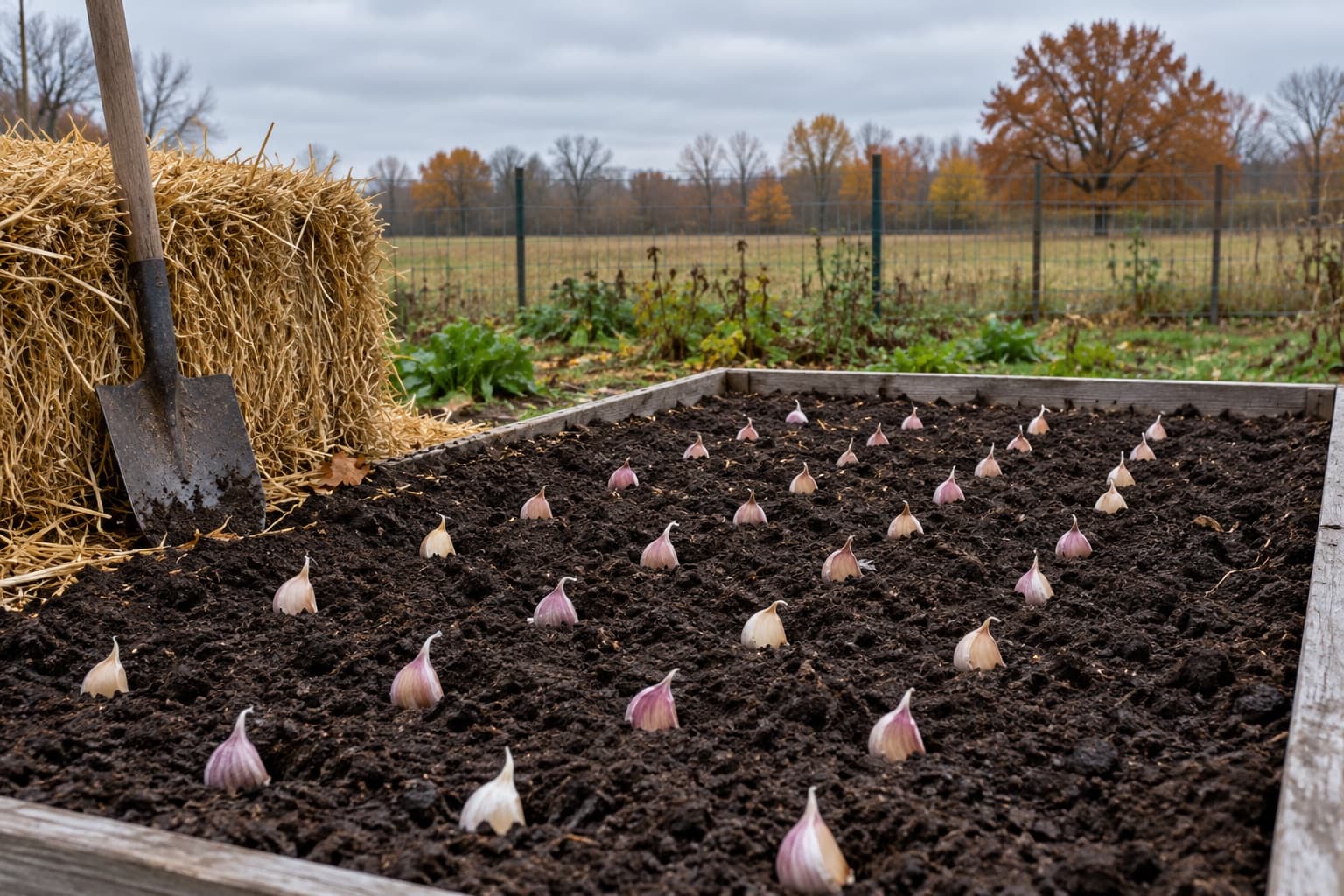
Plant garlic in October in Michigan, and later only while the ground is still open. The aim is roots in the ground before it freezes and a bulb to lift in July. The part that decides the harvest happens before planting. Buy named hardneck seed stock, because a grocery bulb has been stored cold and tends to come back as several small heads instead of one large one.
The seed stock
MSU's pieces give the arithmetic. Half a pound plants a row, a pound comes back several times over, and the storage temperature of the bulb you buy changes the shape of the harvest.
Half a pound
MSU's guidance for a home garden starts at half a pound of seed garlic, which plants 15 to 20 cloves at the spacing it gives.
Michigan State University Extension, Grow Your Own Garlic This Fall.
About six times
The same extension piece puts the increase at roughly six to one, so a pound of seed garlic yields about six pounds of marketable bulbs.
Michigan State University Extension, October Is Garlic Planting Time.
50°F
Planting stock is held near 50°F. Grocery garlic sits just above freezing, and that colder storage changes the plant so it tends to make several smaller bulbs rather than one large one.
Michigan State University Extension, October Is Garlic Planting Time.
The window
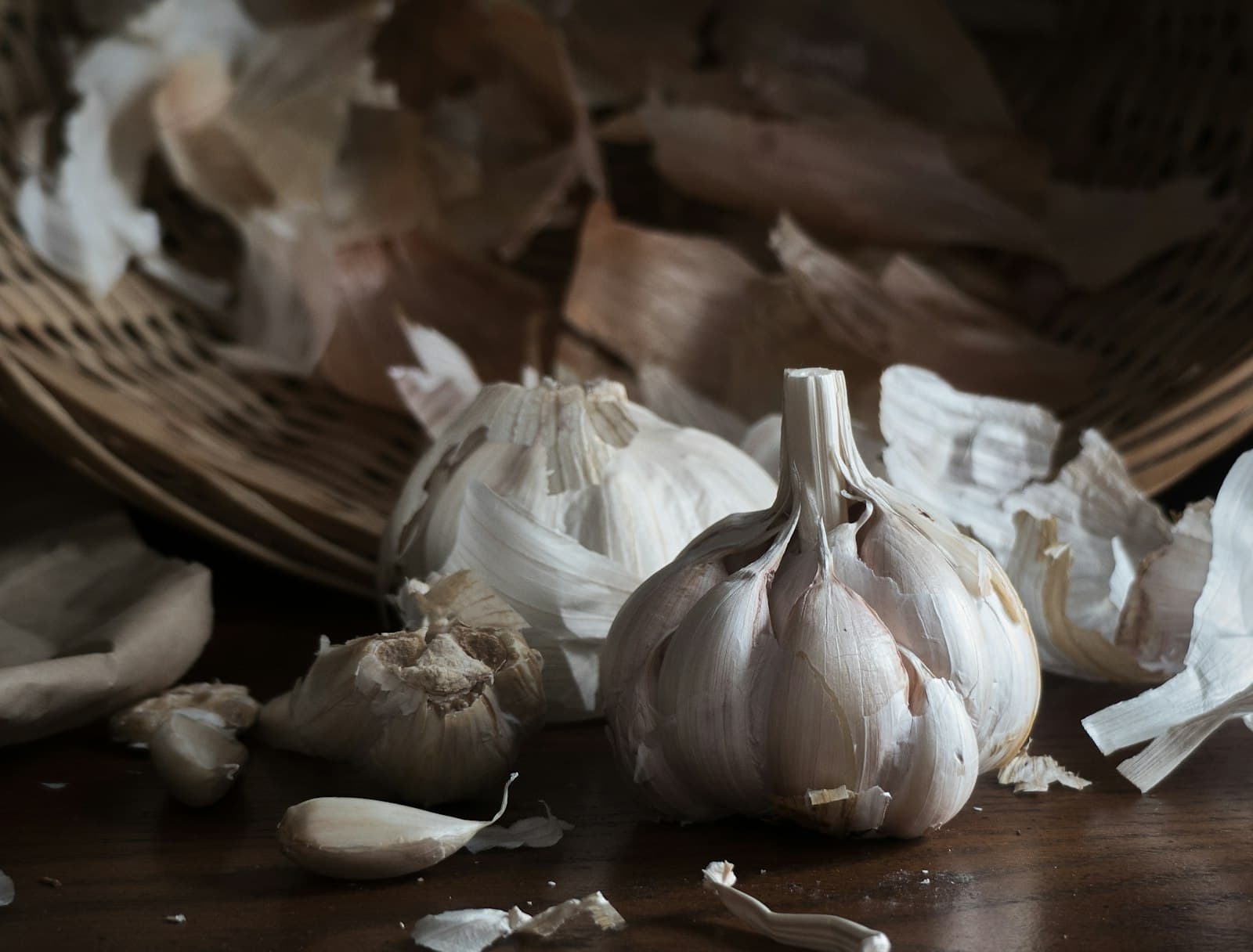
October is the ideal month, and the ground is what ends the window. A clove needs time to root before it freezes, and the planting is for roots, not leaves. MSU has published a garlic piece in late November calling that week a good time to plant, which is the useful correction to a hard October rule.
The National Weather Service's Detroit office dates the end of the southeast Michigan growing season to October, with the first freeze of 32°F arriving that month on average. MSU's 2017 piece, written in late November, still calls that week a good time to plant, which is the useful correction to a hard October rule.
October window from MSU Extension's 2011 and 2014 garlic pieces; the late-November note from its 2017 piece; first-freeze month from the National Weather Service Detroit.
Which garlic
Grow hardneck garlic in Michigan. It is the type MSU recommends for the state's winters, and Music and German White are the two varieties its pieces name.
Buy from a grower who names the variety and can describe how it did nearby. Grocery garlic may be treated to stop it sprouting, and its cold storage is what turns one planted clove into several small bulbs.
Clove size sets bulb size. Plant the largest cloves you have and eat the small ones, because a small clove produces a small head whatever else you do.
The bed
Garlic wants full sun, well-drained soil with about 5 percent organic matter, and a pH between 6 and 7. MSU recommends lime when the test comes back below 5.8.
Keep the fall feeding light. MSU caps the pre-plant nitrogen at about 0.6 pounds per 1,000 square feet and leaves the rest of the feeding for spring, when the leaves are growing.
Ending the season
July
MSU harvests in July, when the lower leaves brown and the tops begin to go over. Lift a bulb to check before clearing the bed; the wrapper should be thick and dry and the head divided into cloves.
Cure the bulbs somewhere dry and airy, then cut the tops and store them cool. Hardneck bulbs keep for months, though not as long as softneck.
The October window, how much seed to buy, and which hardnecks survive.
In October, and into early November in the southern part of the state. The ground is the real deadline. Cloves need several weeks of unfrozen soil to root before winter.
Half a pound plants 15 to 20 cloves, which is a row for most home gardens. MSU puts the return at roughly six to one, so a pound of seed garlic comes back as about six pounds of bulbs.
It is a poor bet. MSU says grocery garlic is stored just above freezing and may be treated to stop sprouting, and cold-stored cloves tend to produce several small bulbs. Buy seed stock held near 50°F from a grower who names the variety.
Hardneck. It handles the state's winters better than softneck, and MSU names Music and German White. Hardneck also gives you scapes in early summer, which are edible.
Not necessarily. MSU published a piece in late November calling that week a good time to plant. If the ground is still workable and the cloves are in hand, plant them and mulch.
In July. Wait for the lower leaves to brown, then lift a bulb to check the wrapper and the cloves before digging the row.
MSU Extension's three garlic pieces and the Detroit first-freeze dates.
Compare the Wisconsin mulch routines or the Ohio leaf-and-freeze advice.
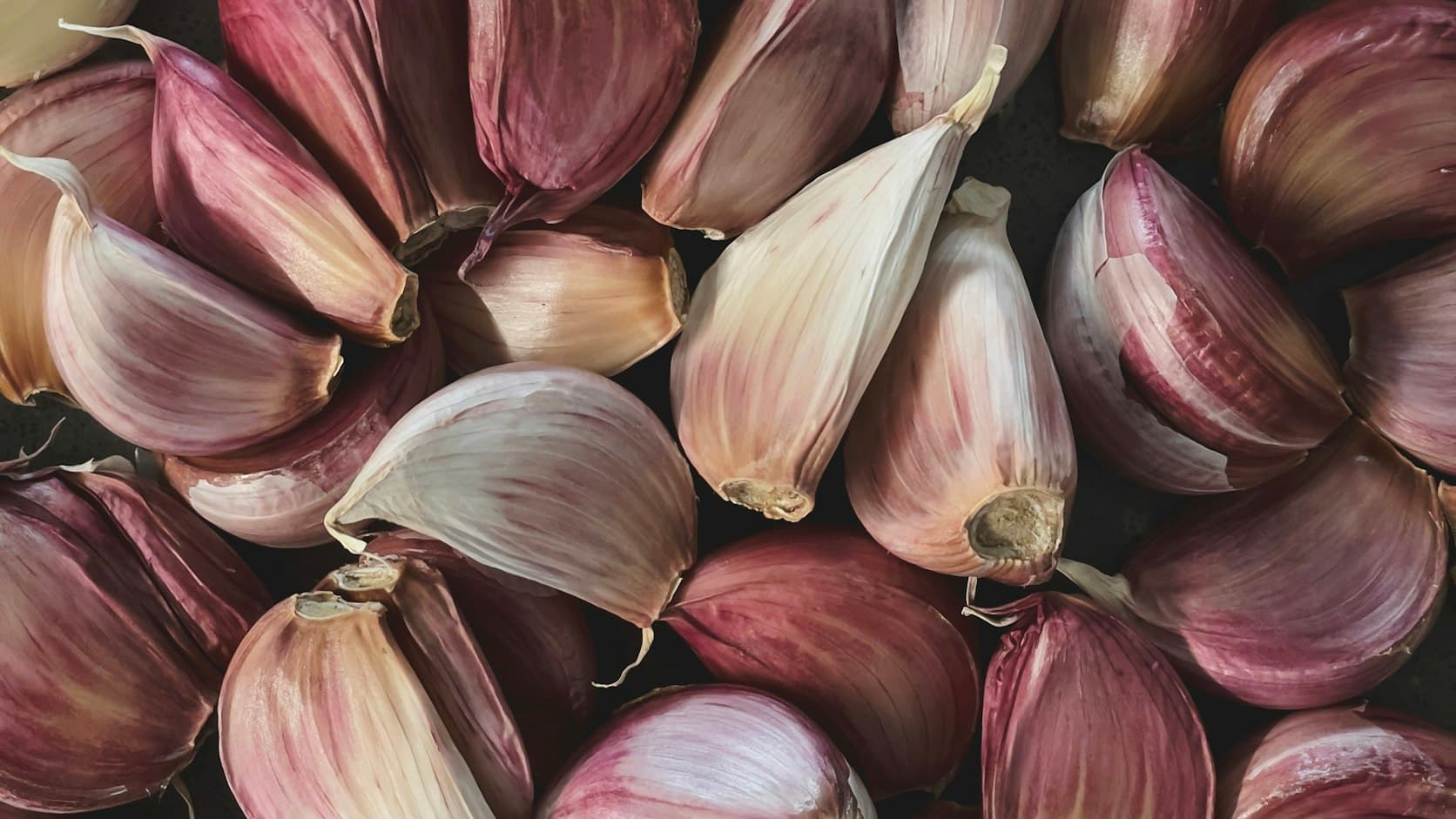
Guide
Plant garlic in the fall once soil has cooled to about 50°F, commonly one to three weeks after the first killing frost and four to six weeks before the ground freezes.
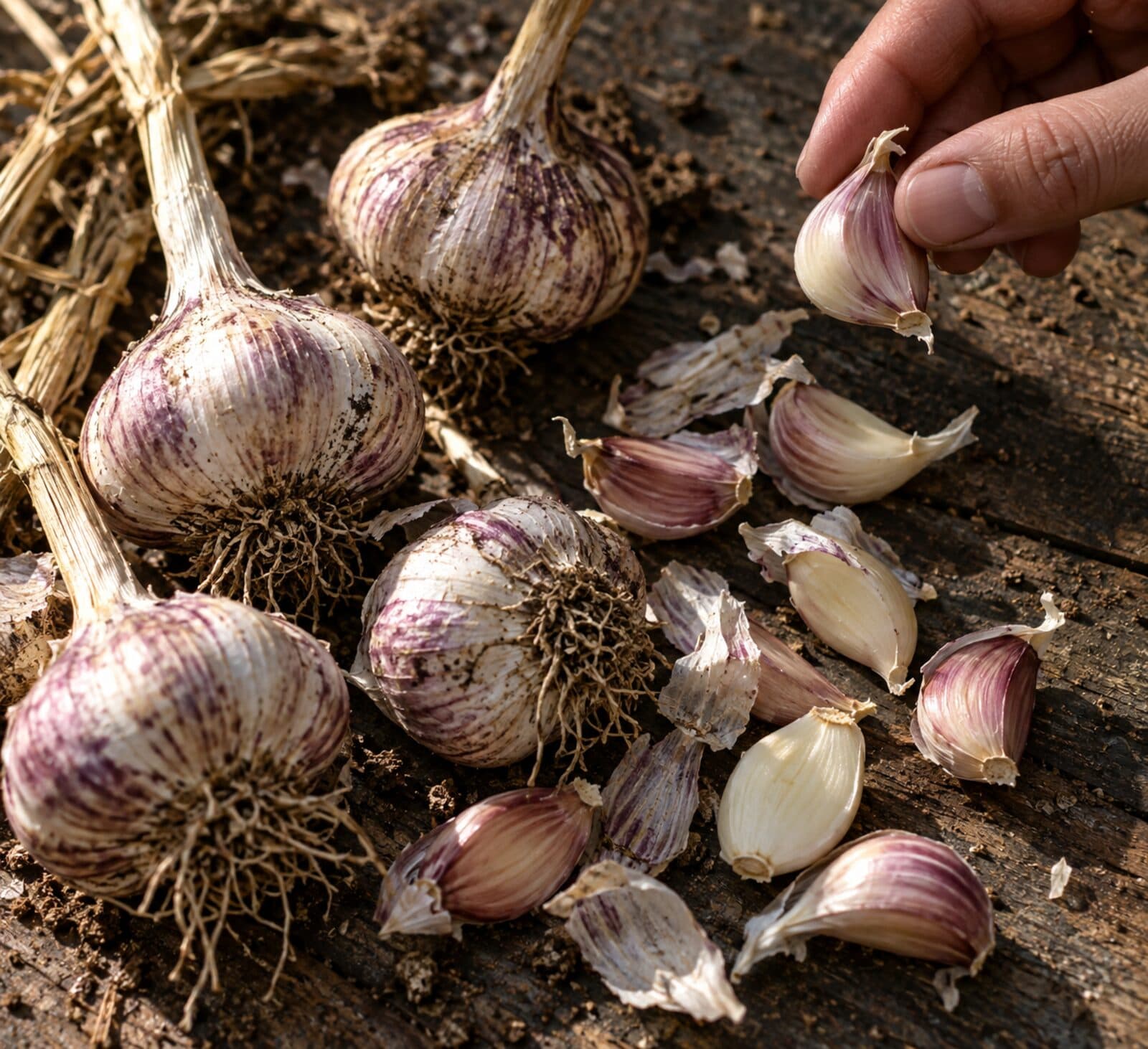
Topic
How to plant and grow garlic at home, and the state and regional windows that decide when your cloves go in.
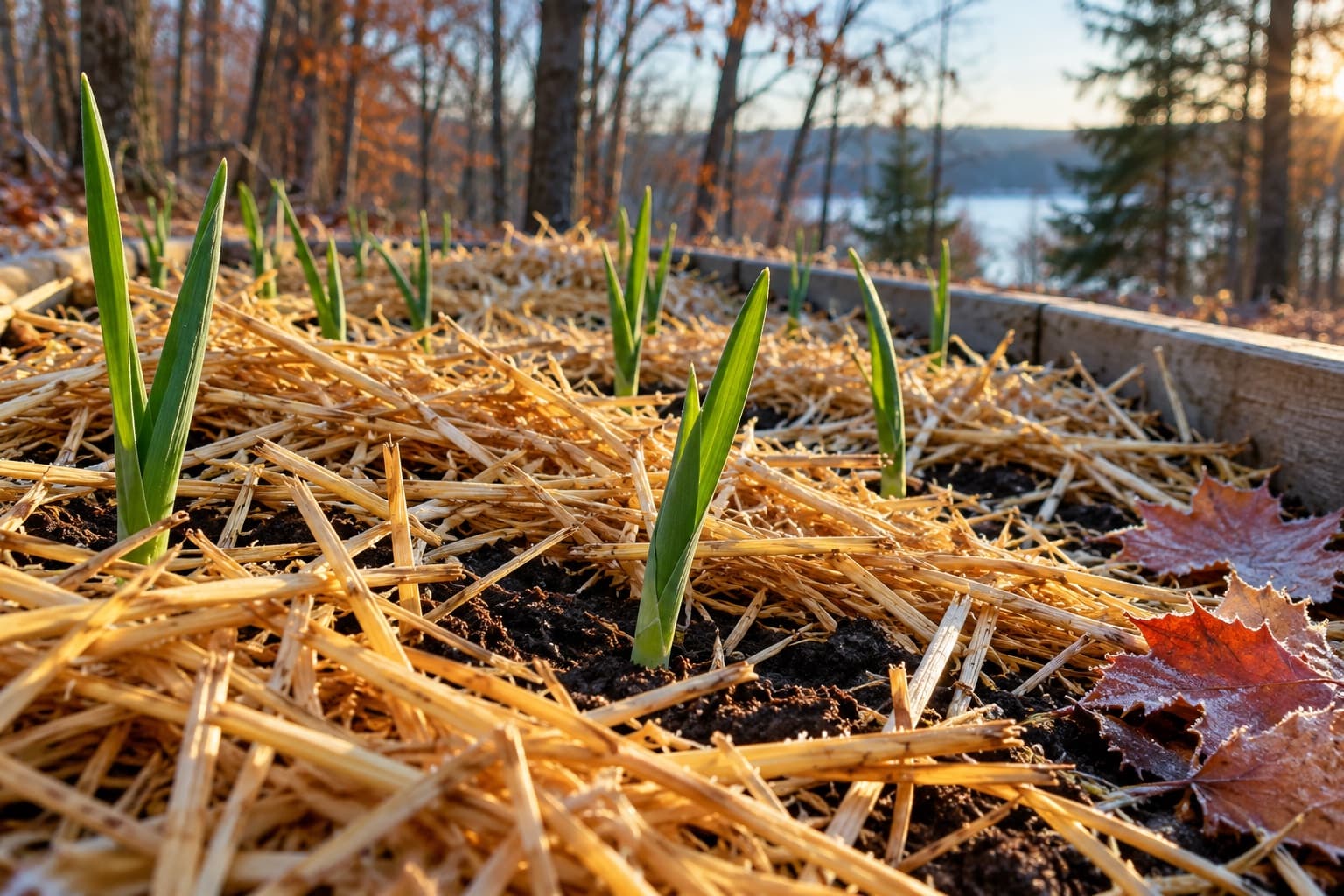
Guide
Northern and southern Wisconsin planting dates, with advice on fall shoots, mulch and late planting.
Guide
Ohio garlic timing, the leaf-and-freeze trade, bed preparation and variety choice.