Most Colorado locations
Before October 15
The deadline CSU gives so cloves have time to root before the ground freezes. It is a last date rather than a planting day.
Colorado State University Extension, Tri River Area, September 2025.
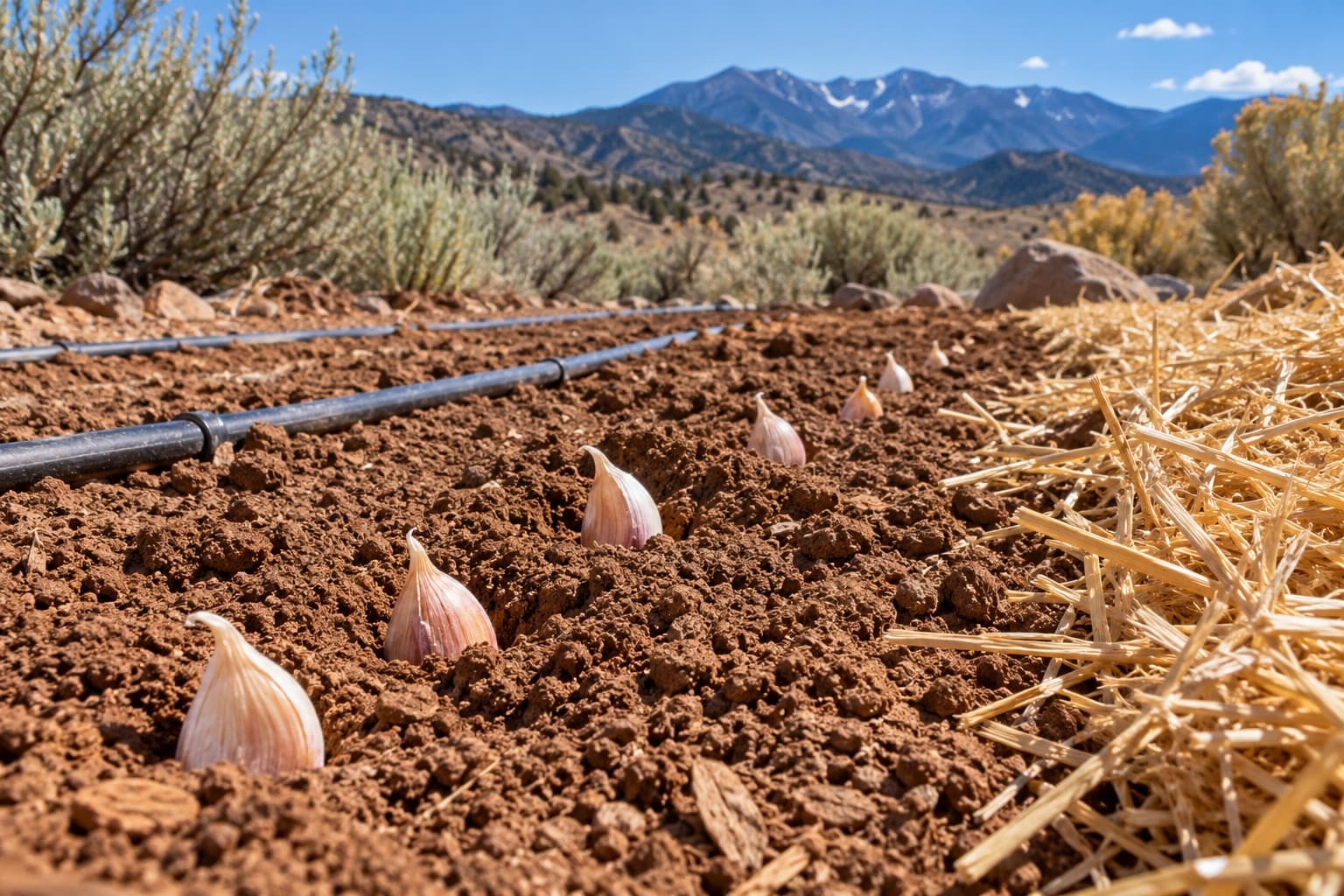
Colorado fall garlic planting
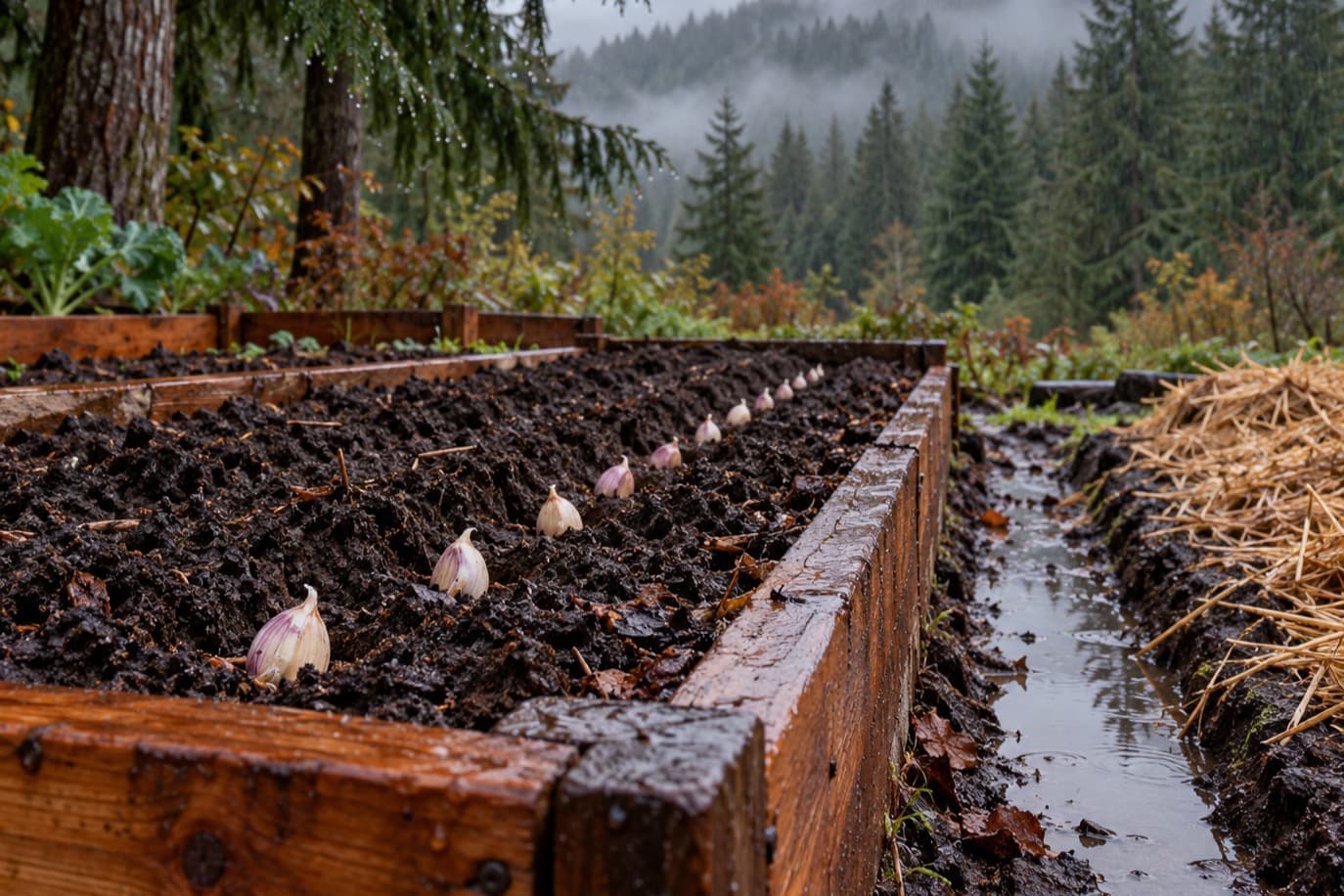
Colorado State University puts garlic in the ground before the middle of October in many Colorado locations, and its western Colorado guidance uses late September into October. The date gives the cloves time to root. The second half of the job is water, because the ground can be dry under the snow.
Plant garlic before the middle of October in most of Colorado, and from late September into October on the western slope. The aim is roots in the ground before it freezes, because frozen soil stops the clove establishing. Then keep the bed watered. CSU's guidance calls for consistent moisture through winter and about an inch a week into June, which a dry Colorado winter makes easy to forget.
Last updated 2026-10-26
The date
Before October 15
The deadline CSU gives so cloves have time to root before the ground freezes. It is a last date rather than a planting day.
Colorado State University Extension, Tri River Area, September 2025.
Late September into early October
The Tri River Area's own advice for the western slope, where the sweet spot sits before the middle of October and planting early enough matters more than hitting a day.
Colorado State University Extension, Tri River Area, September 2025.
Early September to the end of October
The county's overwintering column allows the widest span for alliums, says garlic planted in October is ready in late June or early July, and notes that alliums grow even in heavy clay once compost is worked in.
Colorado State University Extension, Pueblo County, Overwintering for a Prosperous Spring.
The water
A dry winter does not stop garlic. It stalls the sizing the plant can do in spring, because the bulb is built out of water the soil holds through the cold months.
At planting
Work compost into well-drained soil and set the cloves into ground that is already moist. CSU's 2018 guidance plants three to four inches deep and four to six inches apart; the 2025 guidance uses two inches. Deeper planting is the older advice, and both keep the clove below the surface that dries first.
CSU Tri River Area's 2018 and 2025 garlic publications.
Through winter
Pueblo County's fall-vegetable column says to keep the bed mulched and watered all winter, and its overwintering column repeats the instruction for alliums. The 2018 guidance is blunter. Garlic needs consistent moisture through the winter to size its bulbs, and one inch of water a week during dry periods. Dry air and sunny days pull water out of bare ground even when the soil is cold.
Pueblo County's fall-vegetable and overwintering columns, and CSU's Year Round Gardening garlic publication.
When shoots show
Thin or pull back the mulch as shoots push through, so the soil warms and dries a little, and keep the bed free of weeds. Weeds take the water the garlic needs, and garlic is a poor competitor.
CSU Tri River Area, Fall Planting: Garlic in Western Colorado.
Through mid-June
Water about an inch a week through mid-June, then stop. Cutting the water as the bulbs finish lets them mature and keeps disease out of the bed.
CSU's Year Round Gardening garlic publication gives the mid-June cut-off.
Mulch
Three to four inches of straw or leaves after planting. The mulch insulates the soil against the freeze and thaw that heaves shallow cloves, and it holds the moisture the crop needs through a dry winter.
Pueblo County adds a wind fix. Evergreen boughs or lengths of timber along the bed edge keep a strong gust from stripping the mulch off before spring.
In spring, thin the mulch rather than removing it. The soil needs to warm, and the cover still holds water while it does.
Mulch depth from the Tri River Area guidance; the wind protection and the winter watering from Pueblo County's overwintering column.
Varieties
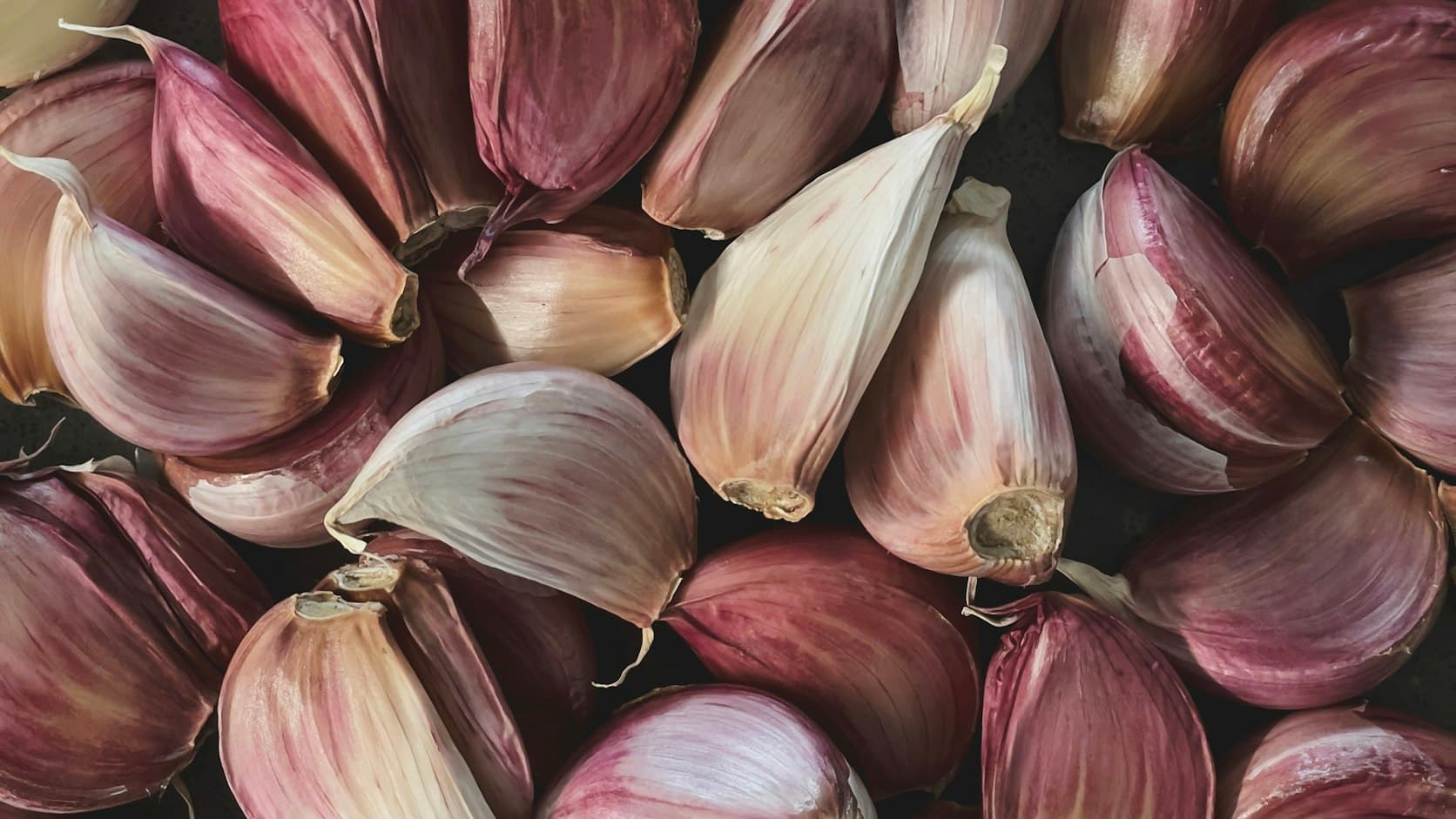
Hardneck
Softneck
Do not plant garlic from the supermarket, which may have been treated to stop it sprouting. Buy seed garlic from a garden centre or a grower who names the variety, and save the largest bulbs from your own crop for the next October.
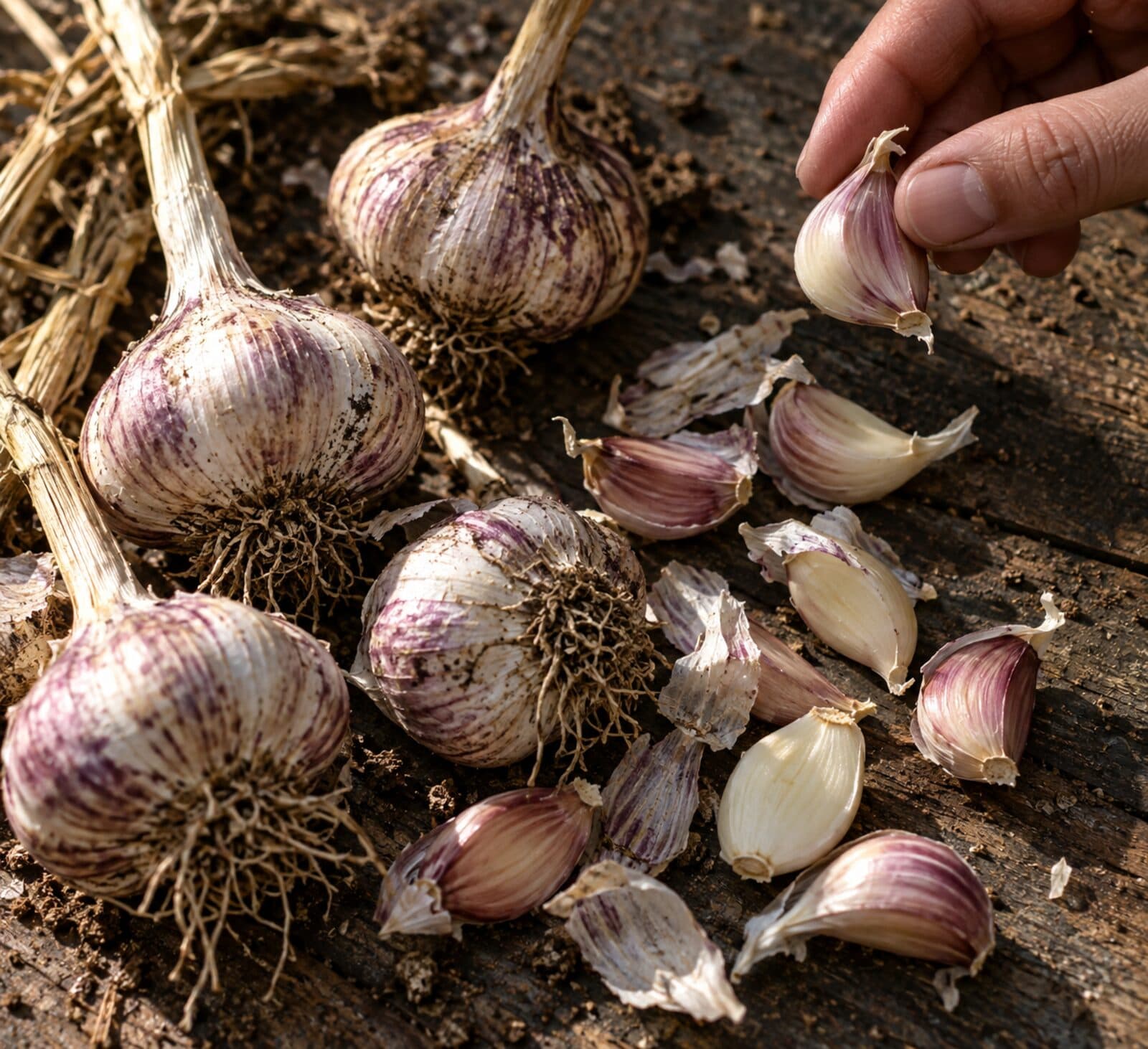
One bulb yields several cloves, so a small purchase plants a long row. Choose the biggest cloves, because the size of the clove you plant sets the size of the bulb you lift.
A warm autumn
If cloves sprout during a warm fall, CSU's 2018 guidance says not to be alarmed, because the shoots tolerate winter cold. The mulch is the protection, and the root system is already working.
Planting too early is still a risk. The same guidance plants early enough to root, not early enough to make a tall plant, and the October deadline is there to keep the growth small.
Warm-autumn advice from CSU's Year Round Gardening garlic publication.
Check Colorado soil temperatureThe October deadline, winter watering, mulch and variety choice.
Before the middle of October in most of the state, and from late September into October on the western slope. Pueblo County's guidance is the widest, allowing early September to the end of October while the soil is still warm.
Yes, in a dry winter. CSU says garlic needs consistent moisture through the winter to size its bulbs and one inch of water a week during dry periods, and Pueblo County says to keep the bed watered all winter. Mulch slows the loss.
Two inches is the figure in CSU's 2025 western Colorado guidance. The 2018 guidance plants three to four inches deep and four to six inches apart. Deeper planting suits colder ground, and both keep the clove under the surface that dries first.
Hardneck garlic does well in the state's cooler growing conditions. CSU names Spanish Roja, Siberian, German Red and Georgia Fire, and gives Inchelium Red, Silver White and Lorz Italian among the softneck options.
Only if the ground is still workable. The deadline exists because a clove needs time to root before the soil freezes, and a clove put into frozen ground sits there until spring without rooting. Check the soil, not the calendar.
Three to four inches of straw or leaves after planting, thinned in spring as the shoots push through. Pueblo County also suggests evergreen boughs or timber along the bed edge to keep the wind from blowing the mulch away.
CSU Extension's Tri River Area and Pueblo County publications behind the dates and the water advice.
Compare the Montana snow-cover advice or the Washington drainage rules.
Guide
Plant garlic in the fall once soil has cooled to about 50°F, commonly one to three weeks after the first killing frost and four to six weeks before the ground freezes.
Topic
How to plant and grow garlic at home, and the state and regional windows that decide when your cloves go in.
Guide
Montana garlic planting dates, the ten-week gap the state's own offset is measured across, and the winters that decide whether cloves need mulch.
Guide
Planting windows for both sides of the Cascades, and the drainage test a wet Washington bed has to pass first.