GROWERBUDDY
Montana

When to Plant Garlic in Montana

Montana's garlic window is written as four to six weeks before the ground freezes, and the ground here freezes about ten weeks after the first frost. Count back from the wrong one and the cloves go in during August. The rest of the job is decided by whether your winter holds its snow.

Last updated: 2026-10-03• Sources

The short answer

Your winterSnow it usually holdsWhat goes over the cloves
Snow holdsLies all winterReliable cover from NovemberNothing, or a thin scatter to hold the soil from blowing
Snow comes and goesRepeated freeze and thawCover that does not stay putFour to six inches of weed-seed-free straw
Cold and dryThin and unreliableCold without much coverFour to six inches of straw, and leave it until the hard freezes pass
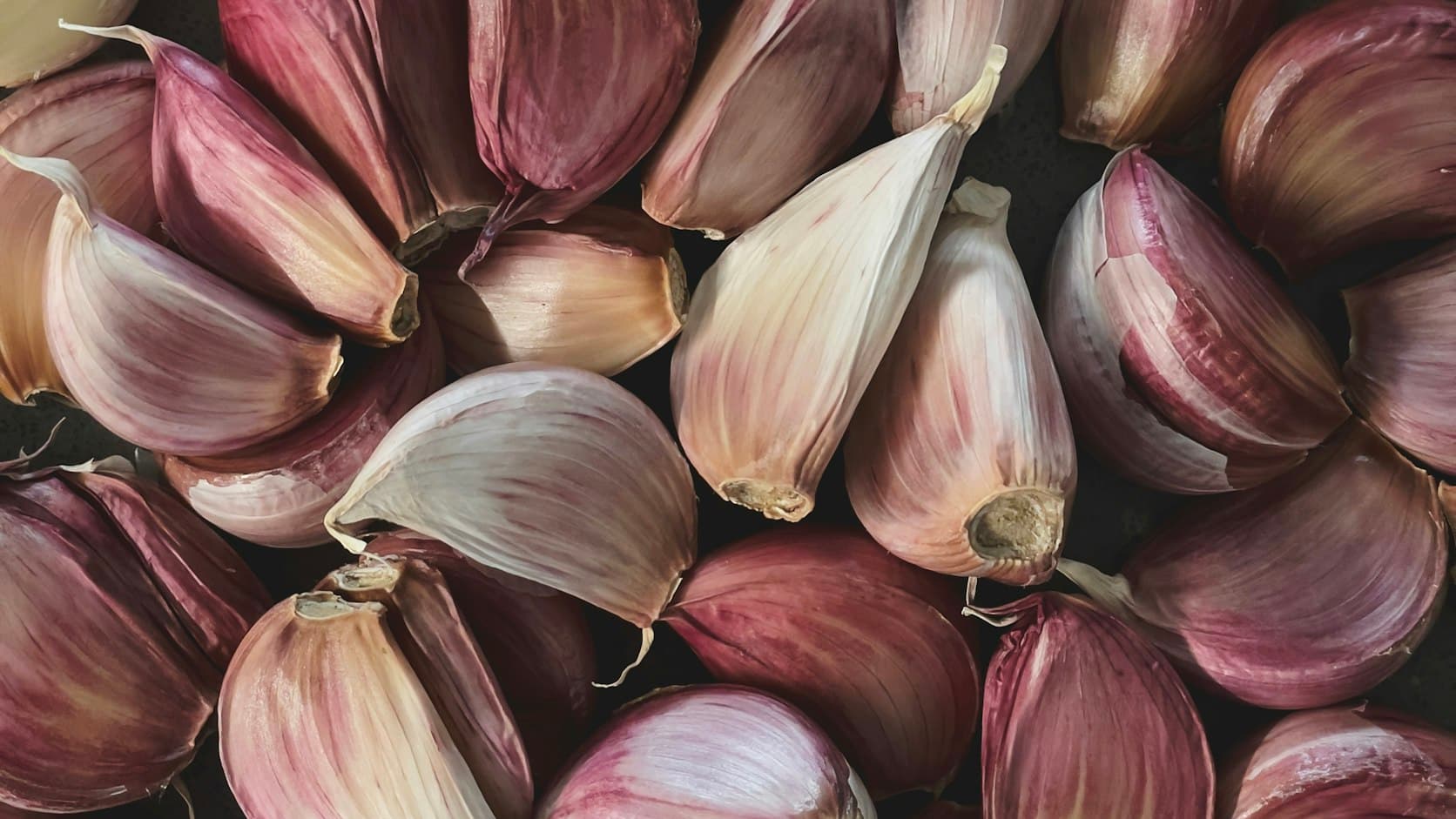
What goes in the groundA clove, not seed. Set it root end down and pointed end up, about two inches deep and four to six inches apart, in rows twelve inches apart.
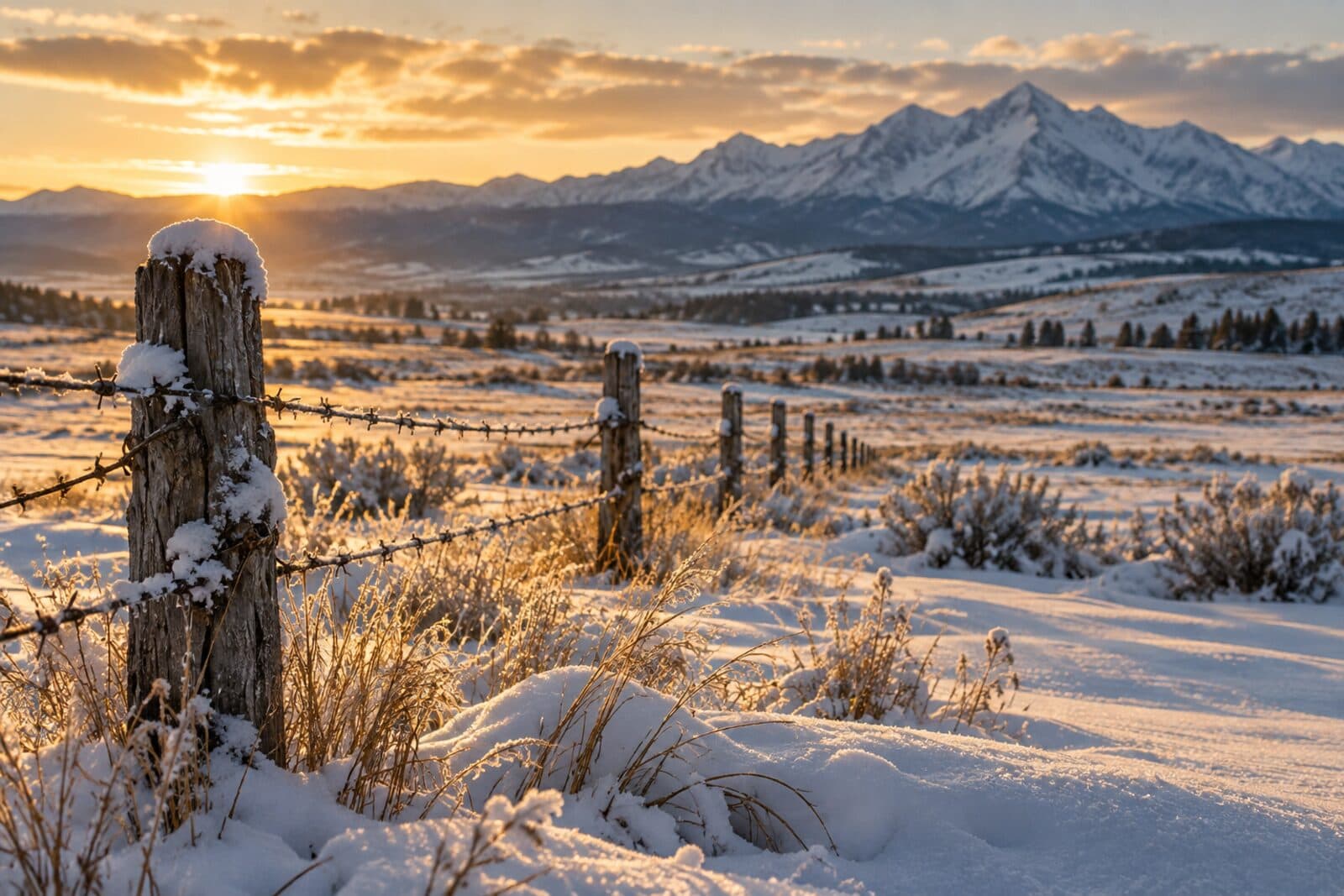
Snow lying in long drifts across a fenced field under a pale winter sky, the cover a Montana garlic bed spends the winter under.
  1. 01

    MSU plants garlic four to six weeks before the ground freezes and calls that mid-October, often running as late as November.

  2. 02

    The same university's frost table puts the first fall frost in the second week of September at Great Falls, Havre and Cut Bank - about ten weeks before the ground closes, not four.

  3. 03

    Snow is Montana's default mulch. Where it lies all winter the state guide says to leave the straw off; where it does not, four to six inches of it is what stops the cloves being heaved out.

  4. 04

    The state guide's own order is to pinch scapes when they are five to seven inches long and just beginning to curl, and it gives weed competition as a yield loss of up to 30%.

Two events, ten weeks apart

Which one are you counting back from?

Four to six weeks before the ground freezes is the state's own instruction, and it lands in mid-October. The first frost arrives in September, and counting back from that puts cloves in the ground while the soil is still warm enough to push leaves up.

The state window

Mid-October, often to November

The MontGuide's window for the state, written as four to six weeks before the ground freezes. It adds that Montana growers often keep planting as late as November, which is the honest range: what closes the window is the ground, not a date.

MSU Extension MontGuide MT199904AG, Growing Garlic in Montana, planting section.

Garlic advice is nearly always an offset, and an offset is only as good as the event it is measured from. Montana's own guide measures from the ground freezing, which is a different event from the first frost and comes a long way later here. The frost table the state's Master Gardener program publishes has Great Falls, Havre and Cut Bank all taking their first 32°F night in the second week of September, and the MontGuide's own mid-October planting date sits four to six weeks before the ground closes - which puts the ground closing in the second half of November, nine or ten weeks after that first frost.

That gap is the widest of any northern state, and it exists because Montana's autumn does two things quickly in sequence. The air cools fast once the long nights arrive, so the first frost comes early. The soil holds its heat much longer, and a deep frost line takes weeks to work its way down. Six weeks before a mid-September frost is the first week of August - garlic in the ground in high summer, rooting in warm soil and standing leaves up well before the first hard freeze.

  • Count from the ground, not the air. The state's four-to-six-week offset is measured from the soil freezing shut.
  • Use the frost date for the opposite job: it tells you which of the state's winters you are in, and therefore whether you mulch.
  • A soil thermometer is more use than the calendar here. What the MontGuide waits for is ground that has cooled, not a month on a wall.
  • The late end of the window is safer than the early end. Cloves can go in until the ground shuts, and a late planting still beats a clove in a bag.
September 14
Average first fall frost, Great Falls

The 32°F date at the state's own long-record station. Havre and Bozeman are both September 17, so the second week of September is the pattern across the plains and not one station's quirk.

MSU Extension Master Gardener frost freeze data for Montana, station table.

4–6 weeks
Before the ground freezes, per the state guide

The offset the MontGuide publishes, with mid-October given as the typical result and November as a normal late end. Read the other way round, it puts the ground closing in the second half of November, which is what makes the count-back land in October instead of August.

MSU Extension MontGuide MT199904AG, planting section.

Omit the mulch
When snow cover can be counted on

Montana is the one northern state whose guide tells growers to leave the straw off where reliable snow will do the job. Elsewhere the same layer is mandatory, because the snow is not there to do it.

MSU Extension MontGuide MT199904AG, mulch section.

Up to 30%
Bulb size lost to weed competition

The MontGuide's own figure, and the reason its mulch paragraph is about weed control first and insulation second. Garlic's roots are small and shallow, so it does not outgrow anything.

MSU Extension MontGuide MT199904AG, mulch section.

Ground-freeze offset from the MSU MontGuide on growing garlic; first-frost dates from the MSU Extension Master Gardener frost table for Montana.

By winter

How much snow your ground usually gets

Snow is the mulch Montana grows its own. Where it lies all winter the cloves are insulated already, and where it does not, a straw layer is what keeps them from being heaved out by the freezing and thawing.

Where the snow lies all winter

The high country and the mountain valleys, where snow arrives in November and stays. Also the windward slopes that collect drifts deeper than the fall that lands on them.

Snow cover
Lies all winterReliable cover from November. The MontGuide's instruction for a winter like this is to leave the straw off. Snow does the insulating and the ground stays at a steady temperature under it, so a mulch layer on top adds nothing and can hold the soil cold into spring.
What goes over the cloves
Nothing, or a thin scatter to hold the soil from blowing
What can go wrong here
A dry, windy spell in January that strips the snow off a south-facing bed leaves the cloves bare with no mulch underneath them.
Towns and valleys
Bozeman, Bozeman Pass, Seeley Lake, Whitefish, West Yellowstone

MSU Extension MontGuide MT199904AG, mulch section. Cover instruction from the MontGuide; the winter pattern from the MSU Master Gardener frost table's mountain stations.

Where the snow comes and goes

The plains towns along the front and the river valleys below them, where snow falls, melts off in a warm spell, and falls again several times between November and March.

Snow cover
Repeated freeze and thawCover that does not stay put. This is the winter the mulch paragraph is written for. It is not the cold that hurts the cloves here but the ground opening and closing around them, which is what lifts a shallow-rooted clove out of the soil and dries its roots.
What goes over the cloves
Four to six inches of weed-seed-free straw
What can go wrong here
Heaving. A clove with no mulch in ground that freezes, thaws and freezes again can be pushed clear of the surface by spring.
Towns and valleys
Great Falls, Havre, Cut Bank, Lewistown, Dillon

MSU Extension MontGuide MT199904AG, mulch section, on winter heaving and desiccation. Cover instruction from the MontGuide; the freeze-and-thaw pattern from the MSU Master Gardener frost table's plains stations.

Where it is cold and dry

The sheltered basins and the southwest valleys, which run colder than their latitude suggests because cold air settles into them and the snow that falls is thin.

Snow cover
Thin and unreliableCold without much cover. Real cold and not much snow to insulate against it, which is the hardest combination of the three. The MontGuide's straw layer is doing both jobs here, and the garlic is the crop the state guide still describes as very adaptable to it.
What goes over the cloves
Four to six inches of straw, and leave it until the hard freezes pass
What can go wrong here
Cold without cover. Roots desiccate in ground that freezes dry, and a clove that loses its roots in January is finished.
Towns and valleys
Dillon, Twin Bridges, Ennis, Deer Lodge, Anaconda

MSU Extension MontGuide MT199904AG, mulch section, read against the frost table's basin stations. Cover instruction from the MontGuide; the basin pattern from the MSU Master Gardener frost table.

Your own station

Find the nearest town in the state's frost table

The Master Gardener table records a first-frost date and a growing-season length for stations across Montana. A town on this list is a better starting point than any zone number.

Find the nearest town in the state's frost table
StationAverage first fall frostGrowing season
Great FallsSeptember 14117 days
HavreSeptember 17117 days
Cut BankSeptember 16114 days
BozemanSeptember 1797 days
DillonSeptember 1797 days
LewistownSeptember 16108 days
HelenaSeptember 30130 days

Averages from the MSU Extension Master Gardener frost table. Mountain stations run colder than the town they are named for, so read the nearest row as a starting point and not as your own garden.

Before you put cloves in the ground

  • Break the bulbs apart just before planting and keep the individual membranes intact. A clove whose membrane tears is the one to eat, because it rots more readily in the ground.
  • Work compost or a slow-release nitrogen source into the bed at the MontGuide's rate of five pounds per hundred square feet before the cloves go in.
  • Set the largest cloves and leave the small ones for the kitchen. The MontGuide's yield figures assume them: about half a pound of cloves plants ten feet of row and returns four to seven pounds.
  • Water the bed in, then decide on the mulch from your own winter above. Do not skip the decision: the two wrong answers are straw on ground that will hold snow anyway, and bare ground that will not.
FAQ

Quick answers before you head back outside

These are the questions that usually come up once the guide turns into real garden work.

Is October too late to plant garlic in Montana?

No. The MontGuide plants four to six weeks before the ground freezes and describes mid-October as typical, with growers often continuing into November. What closes the window is the soil freezing, not a date, so a bed that is still workable in early November is still a bed worth planting.

Why does Montana garlic advice say four to six weeks when other states say the same thing?

Because the offset is measured from different events. Montana's guide counts back from the ground freezing. National advice usually counts back from the first frost, which arrives in the second week of September here. The number is the same and the answer is ten weeks apart.

Do I need to mulch garlic in Montana?

It depends on your winter, and the state guide is unusually direct about it: four to six inches of weed-seed-free straw protects against heaving and desiccation, and it says to omit the mulch where reliable snow cover will do the job instead. The straw matters most where snow comes and goes.

Which garlic grows best in Montana?

The MontGuide calls hardneck the most winter-hardy class and names Rocambole, Porcelain and Purple Stripe as its three subtypes. It gives 'Spanish Roja', 'Montana Giant' and 'German Red' as Rocamboles, 'German Extra Hardy' and 'German Red' as Porcelains, and 'Chesnok Red' as a Purple Stripe worth trying. Softnecks are less hardy and the guide places them in hotter summers and milder winters than Montana has.

How deep and how far apart should garlic cloves go in Montana?

Two inches deep, four to six inches apart, with rows about twelve inches apart, root end down and pointed end up. The MontGuide's spacing assumes you will be weeding by hand, because garlic competes poorly and its roots are shallow enough to damage with a hoe.

When do scapes come off in Montana?

The MontGuide says to remove them when they are five to seven inches long and have begun to curl into a loop, and to use them like a scallion. Leaving them on costs bulb size, because the plant is spending on the flower stalk instead of the bulb.

Can I plant garlic in spring in Montana?

You can, and it will be smaller. Garlic needs a stretch below 40°F to divide into cloves, and a spring planting either gets that cold from a refrigerator beforehand or does not get it at all. The MontGuide treats fall as the planting season and notes the crop tolerates the state's cold winters and short growing season well.

What is the biggest mistake Montana growers make with garlic?

Planting in September because a national guide said to count back from the first frost. In Montana that offset puts cloves in the ground in August or early September, where warm soil roots them fast, breaks their dormancy and sends leaves up to be killed by the first hard freeze.