Back to Garden Problems
Seedling Care

Leggy Seedlings: Why Stems Stretch & How to Fix Them

Leggy seedlings usually come from weak light, excess warmth, or still air. Lower the lights, remove heat mats after emergence, and pot up deeply to support weak stems.

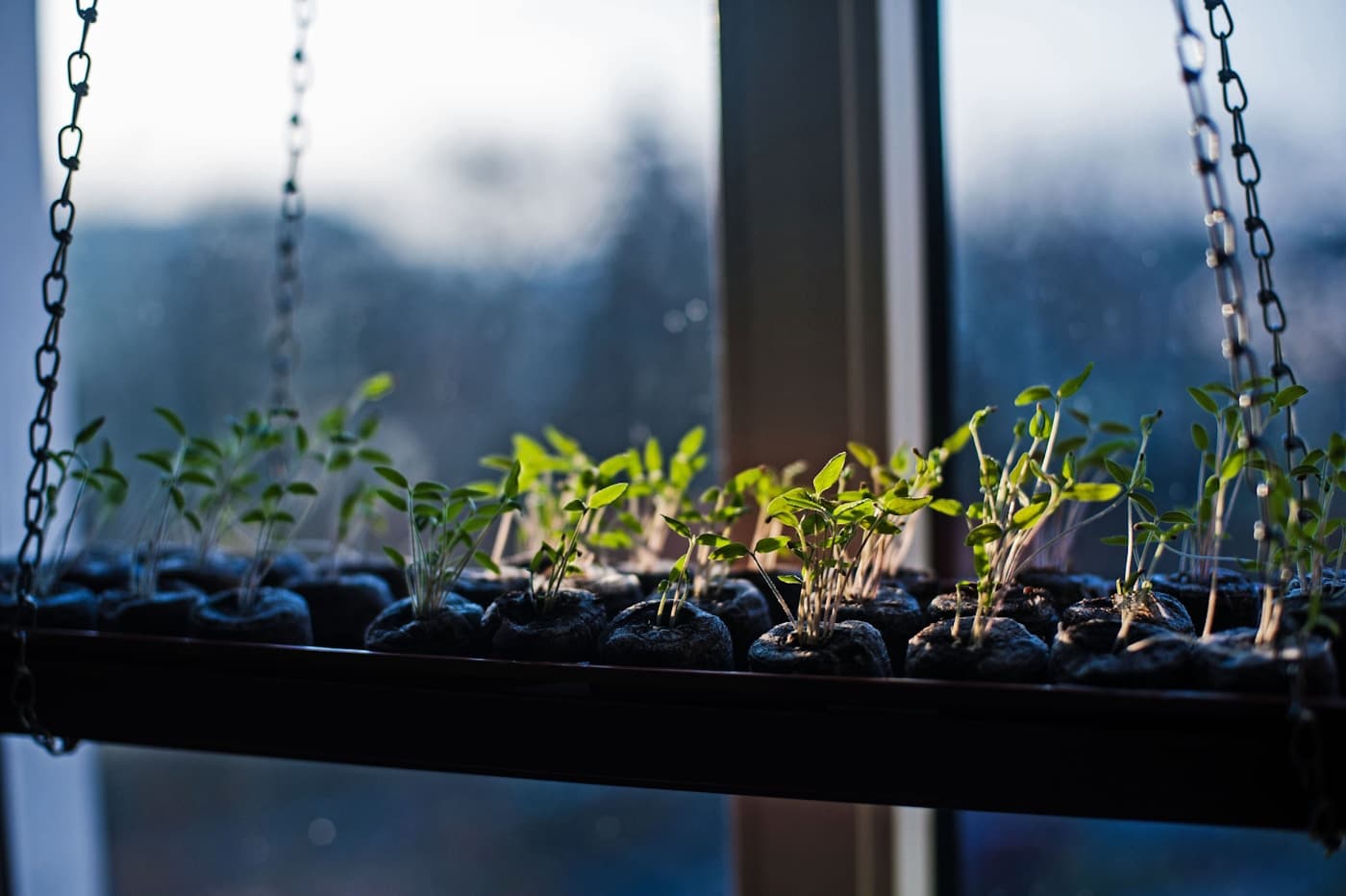
When indoor seedlings stretch toward the window and flop over on pale, thin stems, the crop may still be salvageable. The cause is usually a mismatch between light, warmth, and airflow.

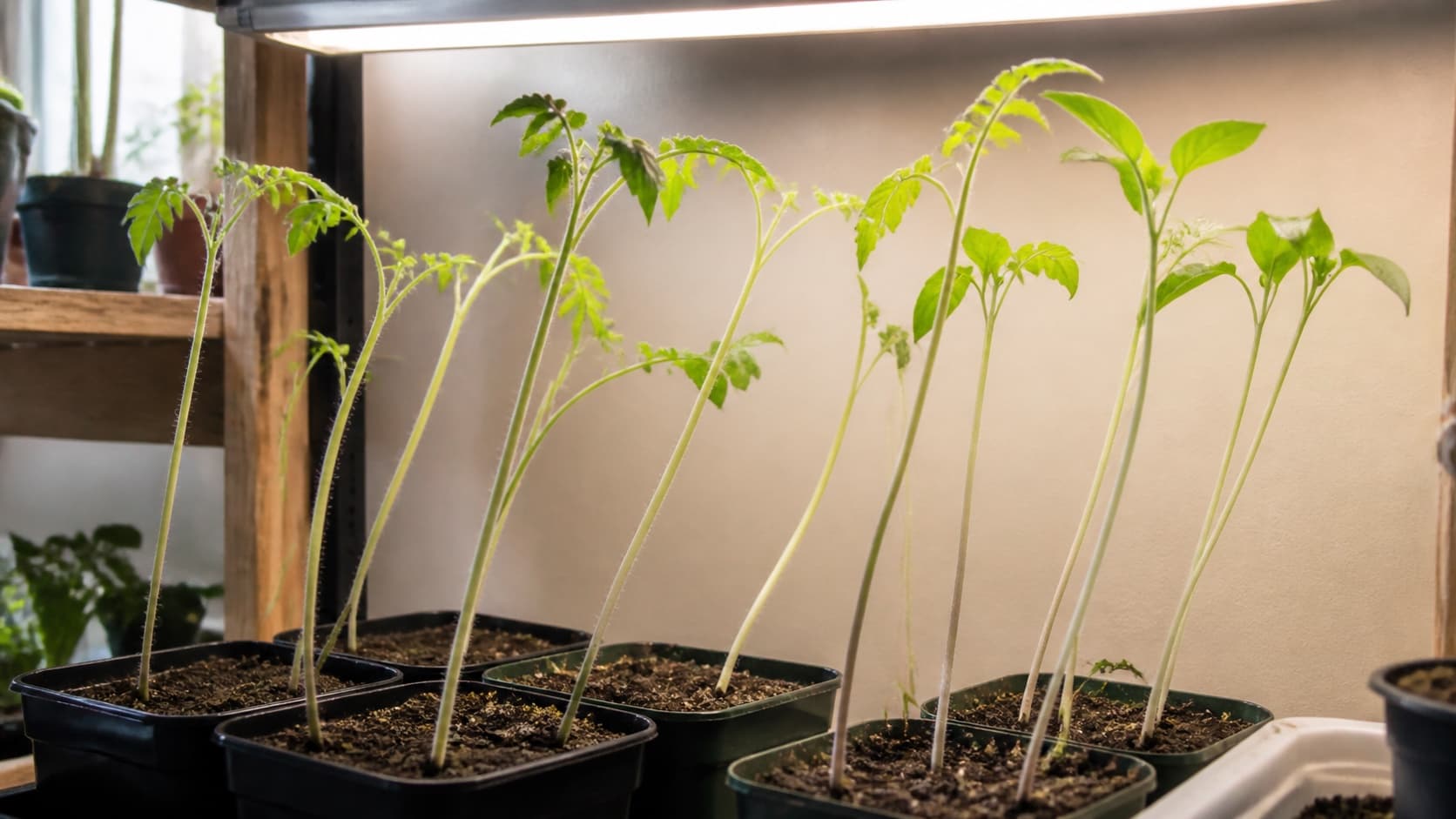
Tall spindly stemsPale thin growthLeaning toward light
Reviewed & verified by GrowerBuddy Editorial TeamLast updated: 2026-04-23Sources

Next Move

Use the calendar when the real problem is timing or weather.

Before moving recovered seedlings into garden beds, use the planting calendar to check outdoor night temperatures and schedule proper hardening off.

Tall, thin, pale seedlings stretching beneath a grow light.
Problem Walkthrough

Check the pattern before you treat the plant

Keep the troubleshooting sequence simple: compare what you can see, rule out the most common causes, and choose the lowest-risk next step first.

Check First

  • How far the grow light is from the top of the seedling canopy (should be 2–3 inches, not 12+ inches).
  • Whether heat mats were left on after seedlings emerged, encouraging fast stem growth before the roots are ready.
  • If seedlings are relying on a windowsill that receives weak, one-sided indirect daylight.
  • Whether air around the tray is still, with little movement to help stems grow stronger.

Likely Causes

  • Insufficient light intensity or light fixtures placed too far above the seedling trays.
  • Excess warmth after germination causing top growth to outpace root development.
  • Too little gentle air movement to help stems grow thicker.
  • Crowded seedling cells where plants compete against each other for overhead light.

What To Do This Week

  • Lower grow lights to 2–3 inches (5–8 cm) directly above the seedling leaves and run them 14–16 hours daily.
  • Remove seedling heat mats as soon as green shoots emerge, then grow seedlings in ambient 65–70°F (18–21°C) room air.
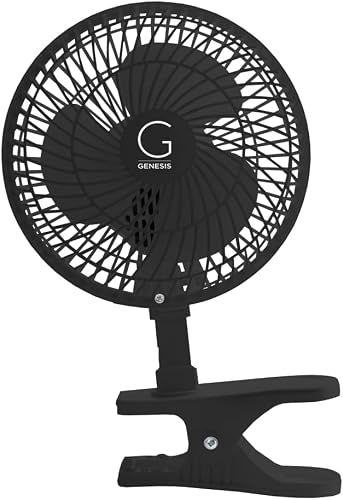
  • Set up a gentle oscillating fan on low for 1–2 hours daily to stimulate thicker cell walls and sturdy stems.
  • Repot leggy seedlings deeper: bury tomato stems up to the first true leaves; bury brassicas and peppers up to the seed leaves (cotyledons).
  • Thin crowded cells so remaining plants do not shade each other out.
Field rule of thumb

Rule out root-zone moisture and temperature dips before using sprays or fertilizer

Leaf curling, yellowing, and stalled growth often follow wet soil, cold nights, or transplant shock. Check the soil 2 inches down before changing your feeding schedule.

Why indoor seedlings stretch and become leggy

Seedlings stretch when they do not get enough light. In nature, a seed under leaf litter grows quickly to reach the sun. Indoors, dim light or a lamp placed too far away creates long, pale stems that cannot support their own weight.

A windowsill often provides light from the side and for too few hours. An LED or fluorescent grow light placed close overhead gives seedlings the even light they need to stay compact.

  • Long, pale stems are a survival response to low light.
  • Windowsills rarely supply enough all-day light for compact indoor starts.
  • Overhead grow lights must stay close to the canopy to suppress stem stretching.

Fix light distance and daily hours immediately

The single most effective fix for leggy seedlings is adjusting grow light height. High-efficiency LEDs and T5 fluorescent fixtures produce little heat and should be positioned just 2 to 3 inches (5 to 8 cm) above the seedling foliage. As plants grow, raise the light fixture gradually to maintain that exact gap.

Keep grow lights on a simple mechanical timer set for 14 to 16 hours of continuous light each day. Seedlings need a dark rest period of 8 hours to respire and move sugars from photosynthesis down into developing root systems.

  • Position LED/T5 lights 2–3 inches directly above the top leaves.
  • Run lights on a timer for 14–16 hours per day—never 24 hours continuously.
  • Adjust light height every few days as seedlings gain height.

Turn off heat mats once seedlings emerge

Seedling heat mats are essential for fast, uniform germination of warm-season crops like tomatoes, peppers, and eggplants. However, once green shoots emerge through the soil, continuous bottom heat becomes counterproductive.

Warm soil encourages fast growth after emergence. If the light is not strong enough, the stem can stretch aggressively. Remove heat mats as soon as green shoots emerge, then let seedlings grow in cooler ambient air (65–70°F / 18–21°C).

  • Remove trays from heat mats as soon as seedlings break the surface.
  • Cooler growing temperatures (65–70°F) encourage thicker, sturdier stem walls.
  • Nighttime temperature dips of 5–10°F help keep seedlings stocky.

Add gentle airflow to build stronger stems

Outdoor plants flex in the wind. Gentle movement helps seedlings build thicker, sturdier stems.

Indoor air is completely stagnant. To replicate natural wind, place a small oscillating fan near your seedling shelf on its lowest setting, aimed so leaves gently flutter for 1 to 2 hours daily. Alternatively, brush your open hand lightly across the seedling canopy once or twice a day.

  • Gentle air movement helps stems grow thicker and sturdier.
  • Run a fan on low for 1–2 hours daily or brush canopy tops with your hand.
  • Airflow also dries the soil surface, which helps prevent seedling disease.

How to repot and bury leggy stems safely

If your seedlings are already several inches tall and flopping over, you can rescue them while potting up. Tomatoes can grow roots from buried stems, so you can bury the stem up to the first true leaves and give the plant more support.

For peppers, eggplants, brassicas, and lettuces, bury the stem only up to the seed leaves. Keep the true leaves above the soil to prevent rot, and support weak seedlings until new roots hold them upright.

  • Tomatoes can be buried deep—right up to the first set of true leaves.
  • Peppers, brassicas, and eggplants can be buried up to the seed leaves (cotyledons).
  • Water gently after potting up and keep under close lights to establish roots.
Sources used for this guide

The diagnostic guidance below draws on the references listed below.

FAQ

Quick answers for the questions people ask next

These are the follow-up questions that usually come up once you have compared the likely causes.

Can leggy seedlings recover?

Yes. Once you lower your grow lights to 2–3 inches, turn off heat mats, and provide gentle airflow, new growth will emerge compact and strong. Deep potting up easily corrects existing stretched stems.

How close should grow lights be to seedlings?

Standard LED and fluorescent grow lights should sit 2 to 3 inches (5–8 cm) directly above the seedling leaves. High-intensity commercial LEDs may need more space, so follow the manufacturer's distance guidance.

Can you bury leggy seedlings when potting up?

Tomatoes can be buried very deeply (up to the first true leaves) and will root along the stem. Peppers and brassicas can be buried up to their seed leaves (cotyledons).

Why do seedlings get leggy on a sunny windowsill?

Windows provide light from the side and often for too few hours. Seedlings stretch and bend toward the glass trying to gather enough energy.