Hardneck
Chesnok Red, Music, German Extra Hardy
Lee County says hardneck can be challenging in the South because it prefers richer soils, and both eastern counties name Chesnok Red and Music as the ones that do work.
North Carolina fall garlic planting
North Carolina's own planting calendars put garlic between the middle of September and the end of November, and the crop comes out in June. The window opens early because the clove needs cool weeks to divide, and it closes because the plant has to finish before summer heat stops it.
See how long the season runsLast updated 2026-10-26
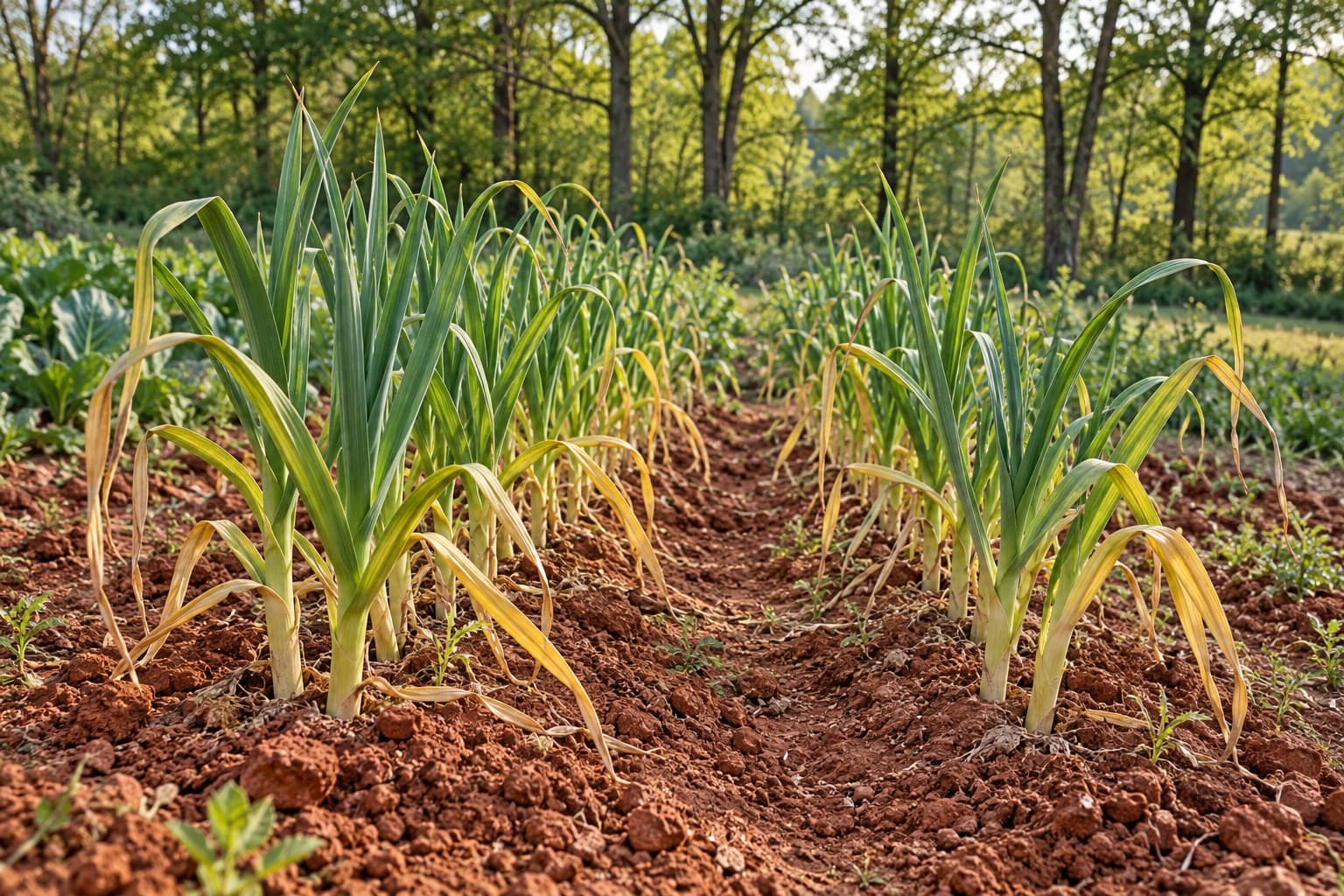
Plant garlic between September 15 and November 30 in central North Carolina, and between September 15 and November 15 in the east. The crop comes out in June. Two temperatures set the window. The clove needs cool weeks before spring to divide into cloves, and the plant has to bulb before summer heat ends it.
The season
September 15
Pamlico County's guide says garlic must receive chilling hours to produce bulbs. The earliest useful planting is the one that leaves the clove the most cool weather before the days lengthen.
N.C. Cooperative Extension, Pamlico County Center, November 2024.
October
Beaufort County puts planting in October and November, before the first hard frost, and gives the bed two inches of depth and four to six inches between cloves.
N.C. Cooperative Extension, Beaufort County Center.
November 15 to 30
Pamlico County stops on November 15, and the Central North Carolina Planting Calendar that Lee County quotes runs to November 30. A garden in the east is closer to the earlier end.
Pamlico County's guide and the Central North Carolina Planting Calendar, quoted by the Lee County center.
June
Lee County puts harvest in June, when the older leaves die back, and warns that bulbs left in the ground too long separate into cloves. Lift with a fork rather than pulling the stem.
N.C. Cooperative Extension, Lee County Center.
Where the dates come from
| Published by | Covers | Window |
|---|---|---|
| Central North Carolina Planting CalendarThe calendar gives garlic 180 to 210 days from planting to harvest. | Central North Carolina, quoted by the Lee County center | September 15 to November 30 |
| Pamlico CountyThe county ties the whole window to the chilling hours a clove needs before it can bulb. | Eastern North Carolina | September 15 to November 15 |
| Beaufort CountyThe county's garlic guide puts planting before the first hard frost and gives no end date. The Eastern North Carolina Planting Calendar carries the same crop row, so the county's own wording is used for this window. | Eastern North Carolina | October to November |
Which garlic
Chesnok Red, Music, German Extra Hardy
Lee County says hardneck can be challenging in the South because it prefers richer soils, and both eastern counties name Chesnok Red and Music as the ones that do work.
New York White Neck, Italian Late, Creole types
Pamlico County lists these for milder climates. Softneck stores longer than hardneck and is the type to braid.
Elephant garlic
Lee County describes it as easy to store with a mild flavour, and it is the choice for gardeners who want very large cloves.
If the window closes
A December planting misses the end of every window the state publishes. The clove will still root, but it collects fewer cool weeks before the days lengthen, and Pamlico County ties bulbing to that cold. Expect smaller bulbs, or a single round with no cloves.
If the ground is still workable and the cloves are already in hand, plant them and mulch the bed. The crop will come out later than a September planting, and the county sources give no figure for how much smaller it will be.
The next clear chance is the following September, when fresh seed garlic goes in. Do not hold a broken bulb over the summer hoping to plant it in spring, because the cloves dry out and pick up disease once they are separated.
Windows and the chilling requirement from the Central North Carolina Planting Calendar, Pamlico County and Lee County publications.
Check North Carolina soil temperatureThe September window, the county differences, variety choice and the June harvest.
Between September 15 and November 30 in central North Carolina, and between September 15 and November 15 in the east. Beaufort County gives the shorter version, October to November. Pick a date that leaves the clove cool weeks before spring.
Because the clove needs chilling hours to divide into cloves, and the cool weather it collects runs from planting to the lengthening days of spring. A September planting collects the most. October still works, and December does not leave enough.
Yes. October sits in the middle of every window the state publishes, and Beaufort County's advice is October to November, before the first hard frost. Plant two inches deep with four to six inches between cloves.
Chesnok Red and Music are the hardneck varieties the eastern counties name for the state, and German Extra Hardy is on Lee County's list. Softneck types, including New York White Neck and Italian Late, store longer and suit milder gardens.
In June. Lee County's guidance waits for the older leaves to die back, then lifts the bulbs with a fork. Leaving them longer lets the bulbs separate in the ground, which shortens how long they keep.
The clove gets fewer cool weeks before spring, which is the weather it needs to divide. It may still grow, but expect a smaller bulb or a single round. The county sources publish no figure for the loss.
N.C. State Extension planting calendars and three county publications behind the dates.
Compare the Georgia chill rules or the Texas county calendars.
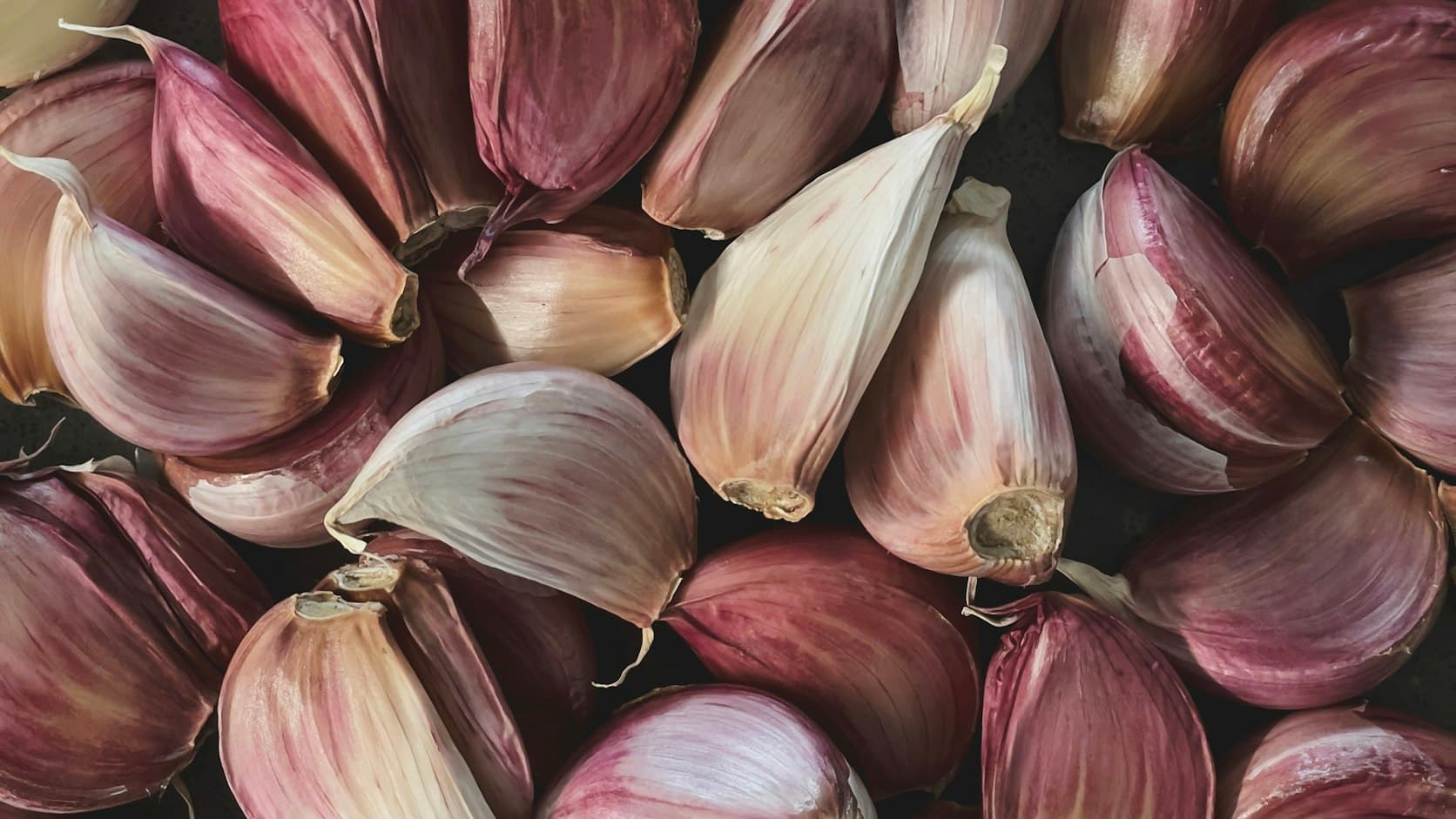
Guide
Plant garlic in the fall once soil has cooled to about 50°F, commonly one to three weeks after the first killing frost and four to six weeks before the ground freezes.
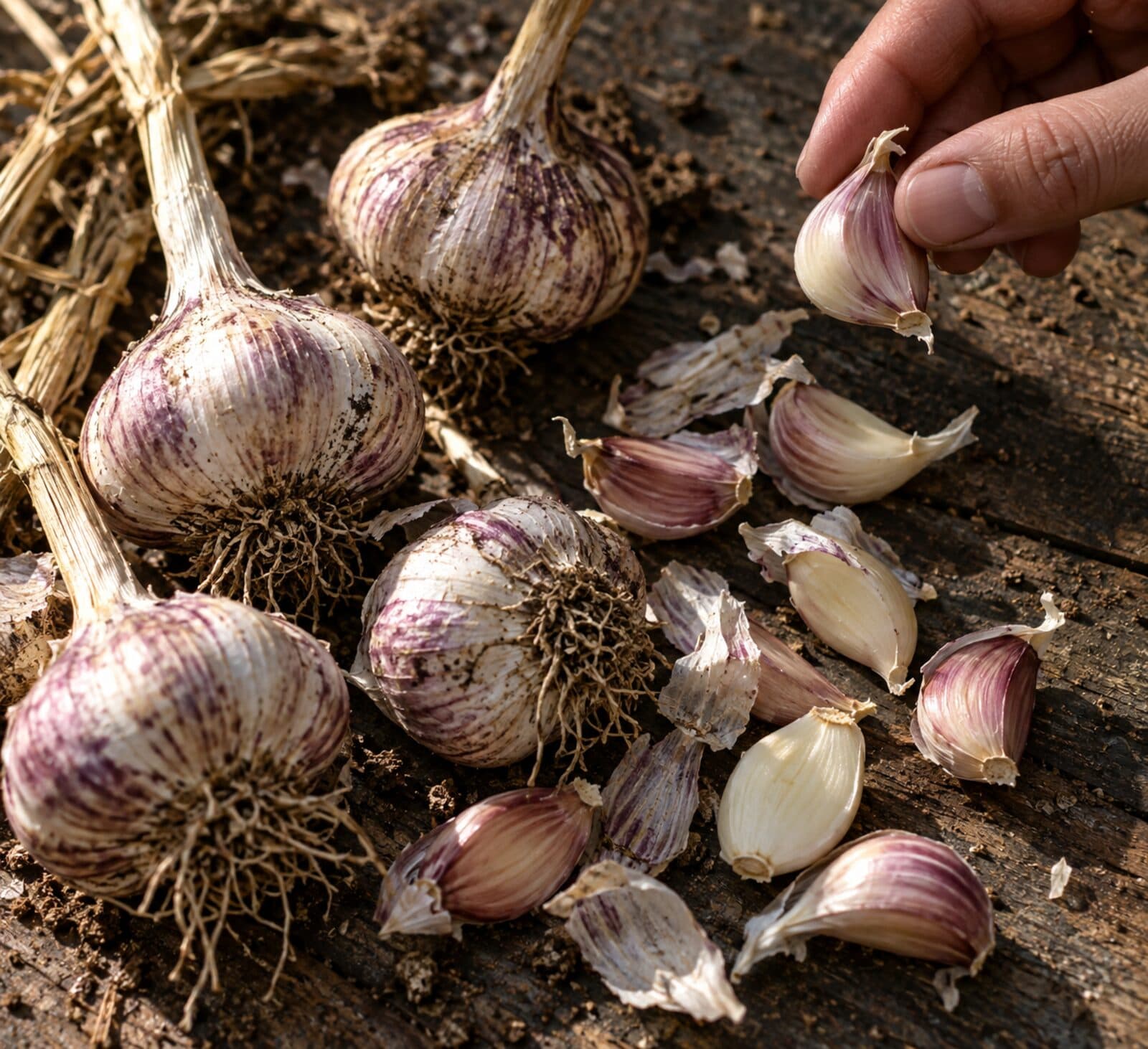
Topic
How to plant and grow garlic at home, and the state and regional windows that decide when your cloves go in.
Guide
Planting dates for Georgia's three belts, the two-week offset behind each one, and the winter cold a garlic bulb needs.
Guide
Local fall planting dates and variety choices for mild Texas winters.