GROWERBUDDY

Florida garlic planting

Last updated 2026-10-26

When to plant garlic in Florida

Florida winters are too warm for most garlic to divide into cloves. Grow elephant garlic, which needs no cold treatment, or chill softneck cloves for about two months and plant them from November into December.

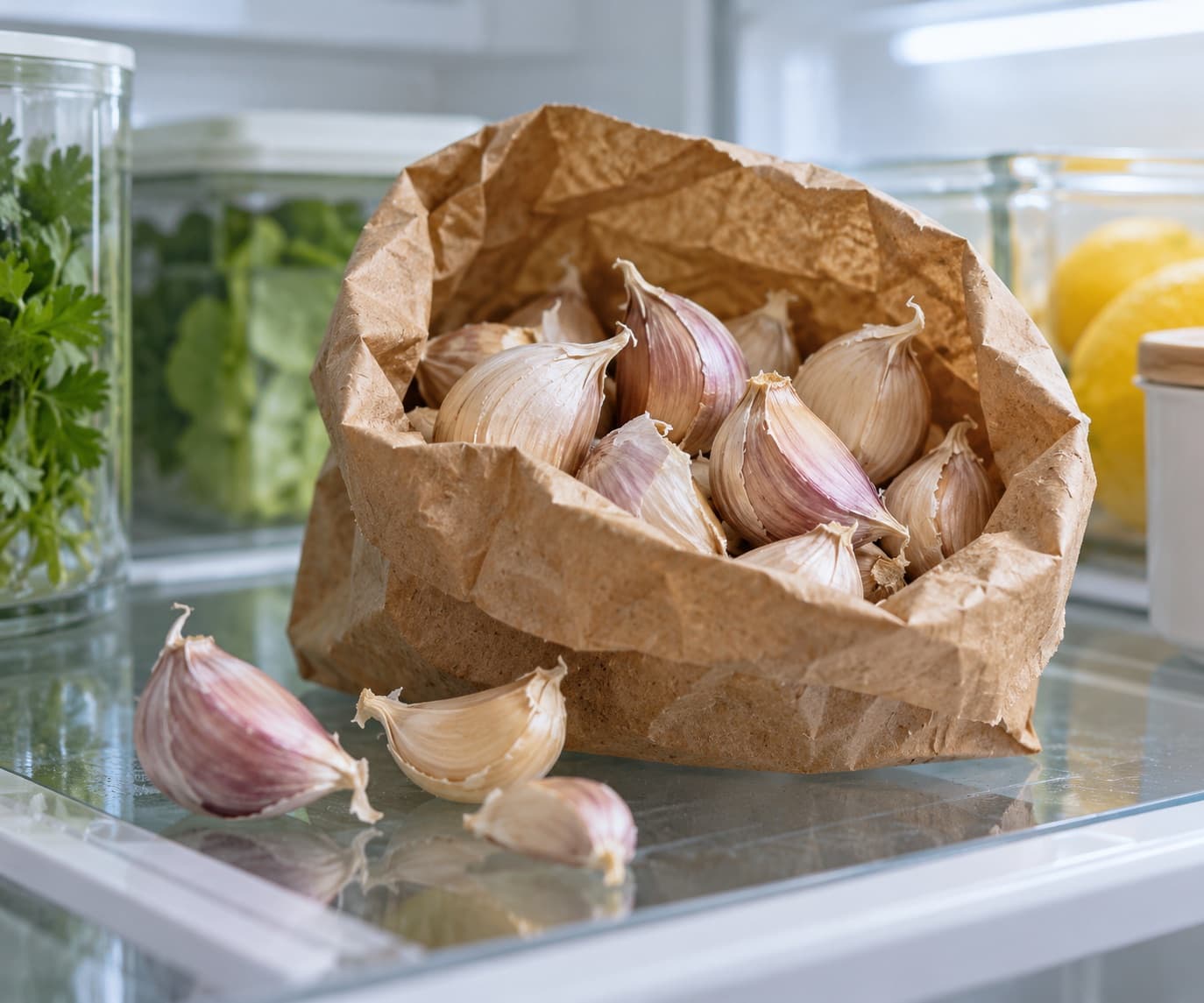
Separated garlic cloves standing in an open paper bag on a refrigerator shelf, waiting out the cold treatment Florida gardeners give them.

Florida's winter rarely gives garlic the cold it needs to divide into a bulb. The state's own advice splits two ways. Grow elephant garlic, which is a leek and needs no cold treatment, or put softneck cloves in the refrigerator for about two months and plant them from November into December. Either crop finishes in spring, before summer heat ends the plant.

Choose the cold you can give it

Two crops, one name

Elephant garlic, or true garlic you chill yourself

A leek sold as garlic

Elephant garlic

What it needs
No cold treatment at all. It sets a bulb without the winter garlic needs.
When it goes in
With the first cool weeks of fall
What it costs
Milder flavour, one layer of very large cloves, and planting stock that costs more per pound than true garlic.
Who it suits
Gardeners who want the least work and can find seed stock from a supplier.

UF/IFAS Extension Sarasota County calls elephant garlic generally the best option for Florida, and Leon County's planting guide lists it as the type that does best in the climate.
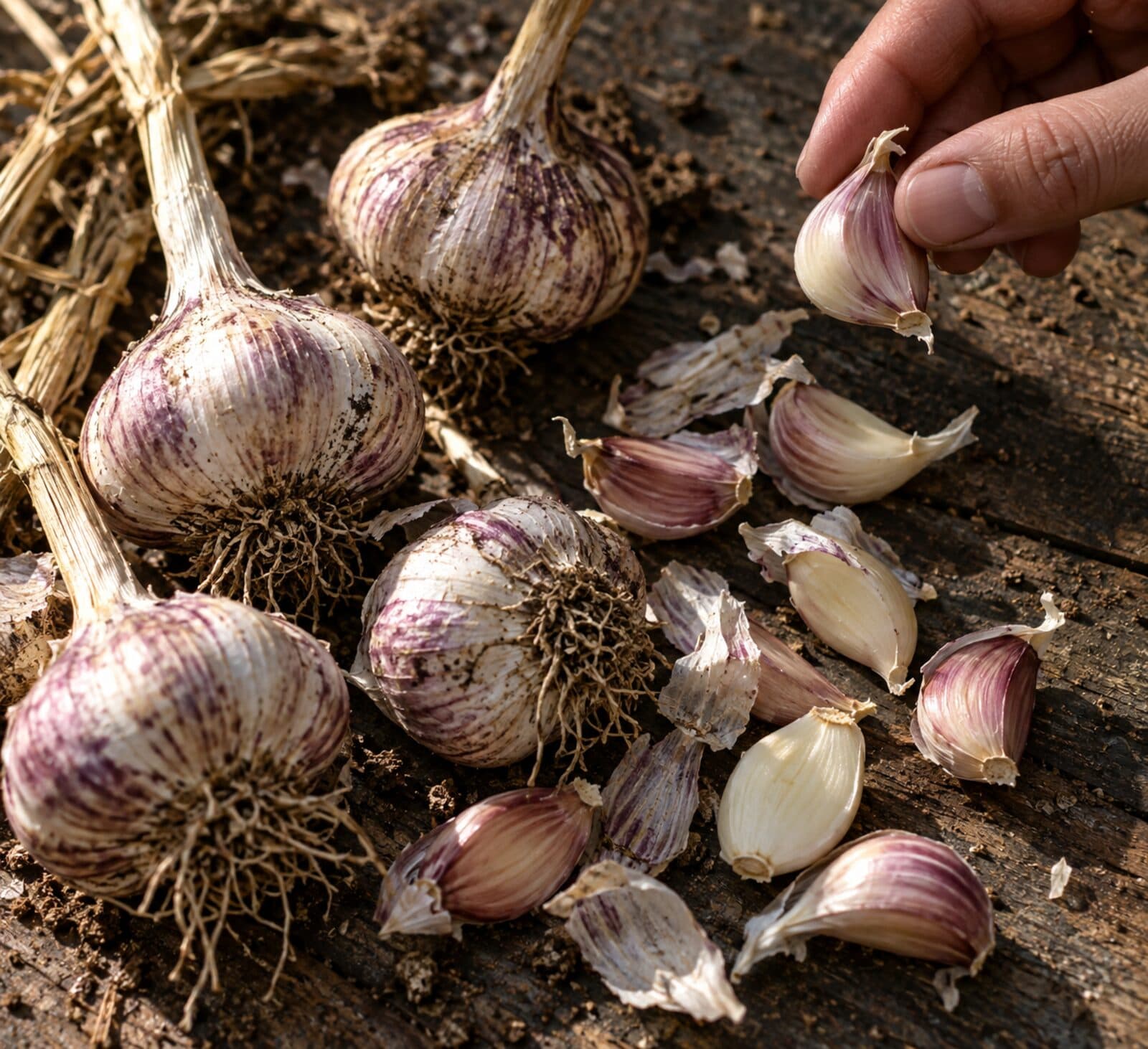
True garlic

Pre-chilled softneck

What it needs
About two months at refrigerator temperature, never in the freezer, before the cloves go in.
When it goes in
Plant from November into December
What it costs
The bulbs stay small and uneven, and cloves left damp in the refrigerator rot before planting.
Who it suits
Gardeners who want real garlic and will run the cold step themselves.

UF/IFAS Extension Sarasota County gives about two months in the refrigerator and a November or December planting, and warns that garlic is not as strong here as it is further north.

The countdown

From the refrigerator to the harvest

  1. Two months before planting

    Chill the cloves

    Put whole bulbs or separated cloves in a paper bag in the refrigerator. The cold is what lets a clove divide into a bulb, and a Florida winter outdoors rarely supplies enough of it. Do not freeze them.

    UF/IFAS Extension Sarasota County, Edible Gardening Series.

  2. November and December

    Plant into ground that drains

    Pasco County's guide plants cloves one to two inches deep and four to six inches apart, in soil that stays evenly moist without becoming waterlogged. Full sun and a bed that does not hold water matter more than the exact day.

    UF/IFAS Extension Pasco County, Growing Garlic in Florida, September 2026.

  3. December to March

    Keep it growing

    Water and feed the plants through the winter. Pasco County lists freeze protection among the crop's needs, and North Florida can still take a frost, so a floating row cover over the bed protects the leaves without moving the planting date. Leon County's table allows 180 to 210 days from planting to harvest.

    UF/IFAS Gardening Solutions gives the water and fertilizer routine; Leon County's planting guide gives the days to harvest.

  4. March to May

    Lift the bulbs

    Harvest when 40 to 60 percent of the leaves have yellowed and dried. Dry the bulbs somewhere shaded with moving air, then cut the tops and store them cool and dark.

    UF/IFAS Extension Pasco County gives the leaf percentage and the curing step.

What Florida's guides say

Where the state's own pages disagree

UF/IFAS Gardening Solutions

Garlic can be planted in Florida from late fall through early winter, and Artichoke and Creole softnecks suit the state. The entry gives no chilling step and no harvest month.

UF/IFAS Extension Sarasota County

Garlic is not typically grown in Florida because every variety needs cold days and nights to form a head. Hardneck garlic does not produce here, and elephant garlic is generally considered the best option.

UF/IFAS Extension Pasco County

Plant in late fall and early winter in soil that stays evenly moist, keep the rows far enough apart for airflow, and harvest when 40 to 60 percent of the leaves have dried.

UF/IFAS Leon County planting guide

Direct plant garlic from October to November in northwest Florida, allow 180 to 210 days, and grow elephant garlic, which does best in this climate.

The state's own material does not agree about whether garlic belongs in a Florida garden. The county pages give the dates, and the statewide vegetable planting table lists bulbing and bunching onions but no garlic row at all.

Buying stock

Softneck from a hot climate, or a leek

  • Inchelium Red
  • Ajo Rojo
  • Creole types
  • Artichoke types

Choose softneck garlic that came from a hot, humid place rather than a cold one. Sarasota County's agents advise against softneck varieties bred in Oregon, New England or Russia, because they are not built for a Florida winter.

Hardneck garlic needs a real winter and produces poorly here, or not at all. The curled scapes you may have read about belong to that type, so leave it off your order.

Buy certified seed garlic from a supplier who names the variety. Sarasota County warns that grocery bulbs may carry a chemical that stops them sprouting, which is the opposite of what a planting clove needs.

Ending the season

Lift the bulbs while half the leaves are still green

Pasco County's guide harvests when 40 to 60 percent of the leaves have yellowed, and Leon County's table allows 180 to 210 days from planting. Waiting for every leaf to die gives the bulb more time to split and rot in the ground.

Cure the bulbs in shade with moving air, then cut the tops and store them cool and dark. The refrigerator that started the season is for planting stock, not for the cured bulbs.

If a bulb comes up as a single hard round with no cloves, the plant never got the cold it needed. That result is common enough in Florida that the state's own advice starts with the cold treatment rather than the date.

Leaf percentage and curing from UF/IFAS Extension Pasco County; days to harvest from the Leon County planting guide.

Check the soil temperature in Florida
FAQ

Questions about garlic in Florida

The chilling step, the planting month, and why bulbs sometimes fail to form.

Can you grow garlic in Florida?

Yes, with one adjustment. Garlic needs a stretch of cold weather to divide into cloves, and most of Florida does not get one. Chill softneck cloves in the refrigerator for about two months before planting, or grow elephant garlic, which is a leek and needs no cold treatment.

Do you have to refrigerate garlic before planting in Florida?

For true garlic, yes. UF/IFAS Extension Sarasota County puts the cloves in the refrigerator for about two months and then plants them in November or December. Elephant garlic does not need the step. Do not freeze the cloves.

When do you plant garlic in Florida?

Northwest Florida's planting table gives October to November, the Sarasota County advice gives November or December after chilling, and Pasco County says late fall into early winter. Start the refrigerator step two months before the planting date you pick.

Which garlic grows best in Florida?

Elephant garlic is the easiest crop, and UF calls it generally the best option for the state. Among true garlics, grow softneck Artichoke or Creole types from hot, humid regions, and skip hardneck garlic, which does not produce well here.

Why did my Florida garlic fail to form bulbs?

The clove did not get enough cold. Without it the plant grows leaves and then a single round bulb instead of dividing into cloves. Hardneck varieties fail in Florida even with chilling, so the variety and the cold treatment both matter.

When is garlic ready to harvest in Florida?

From March into May, about 180 to 210 days after planting. Lift the bulbs when 40 to 60 percent of the leaves have yellowed and bent over, then dry them in shade with moving air before storing.