Oregon fall garlic planting
Last updated 2026-10-26
When to plant garlic in Oregon
Oregon State puts garlic in the ground from September into early October. The date matters because the clove is collecting cold. The same crop page explains how that cold can be lost. Water stress in heat above 85°F can undo the chilling the bulb needs.
Plant garlic from September into early October in Oregon. The clove needs six to eight weeks at mean temperatures below 40°F to bulb properly, and it collects that from the soil over winter. OSU's crop page also names the way to lose it. Water stress combined with temperatures above 85°F can reverse the cold treatment, so a thin bed in a hot, dry June can end with bulbs that never divide.
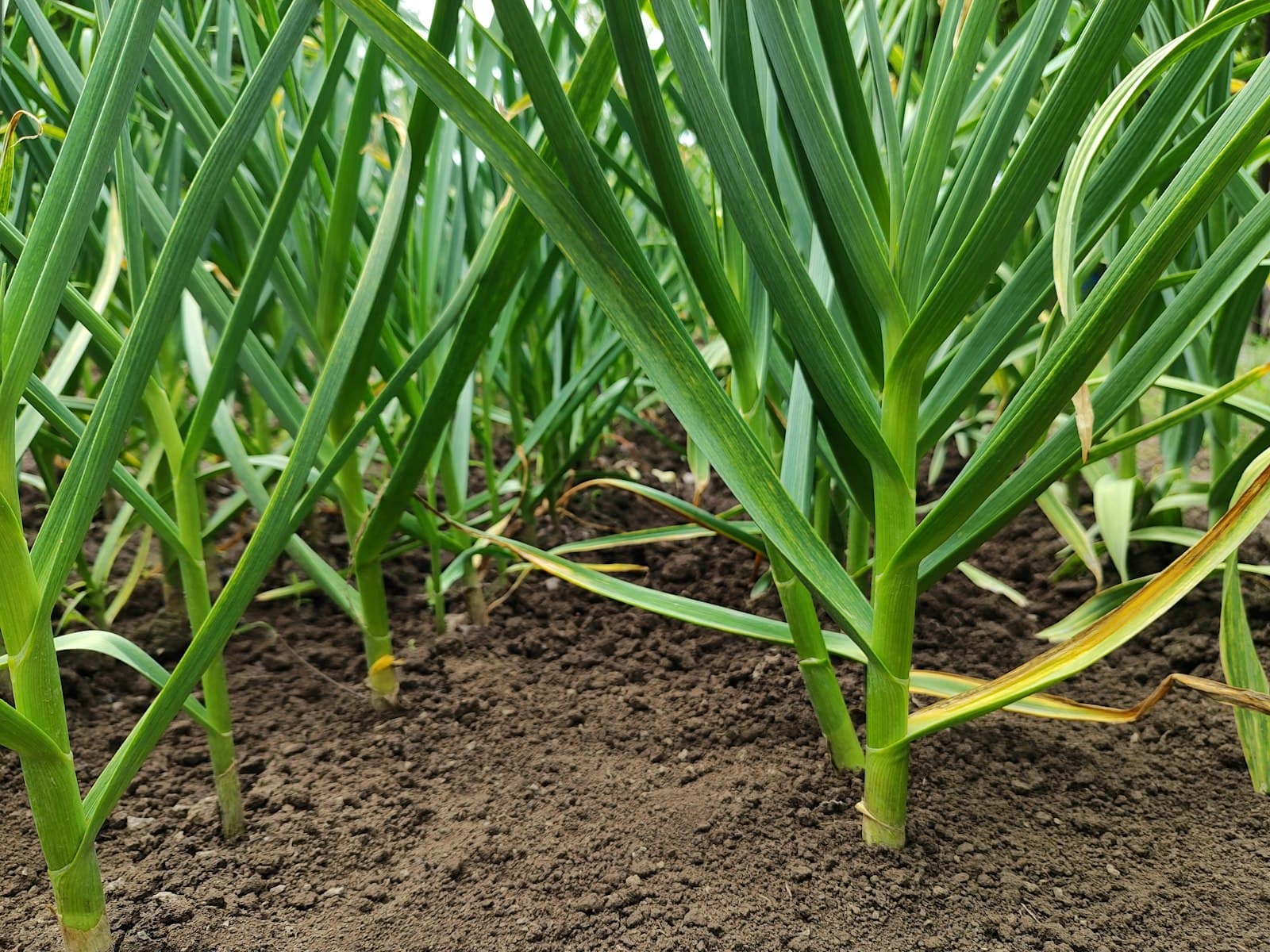
The year
From planting to the heat that can cancel the cold
September into early October
Plant into cooling soil
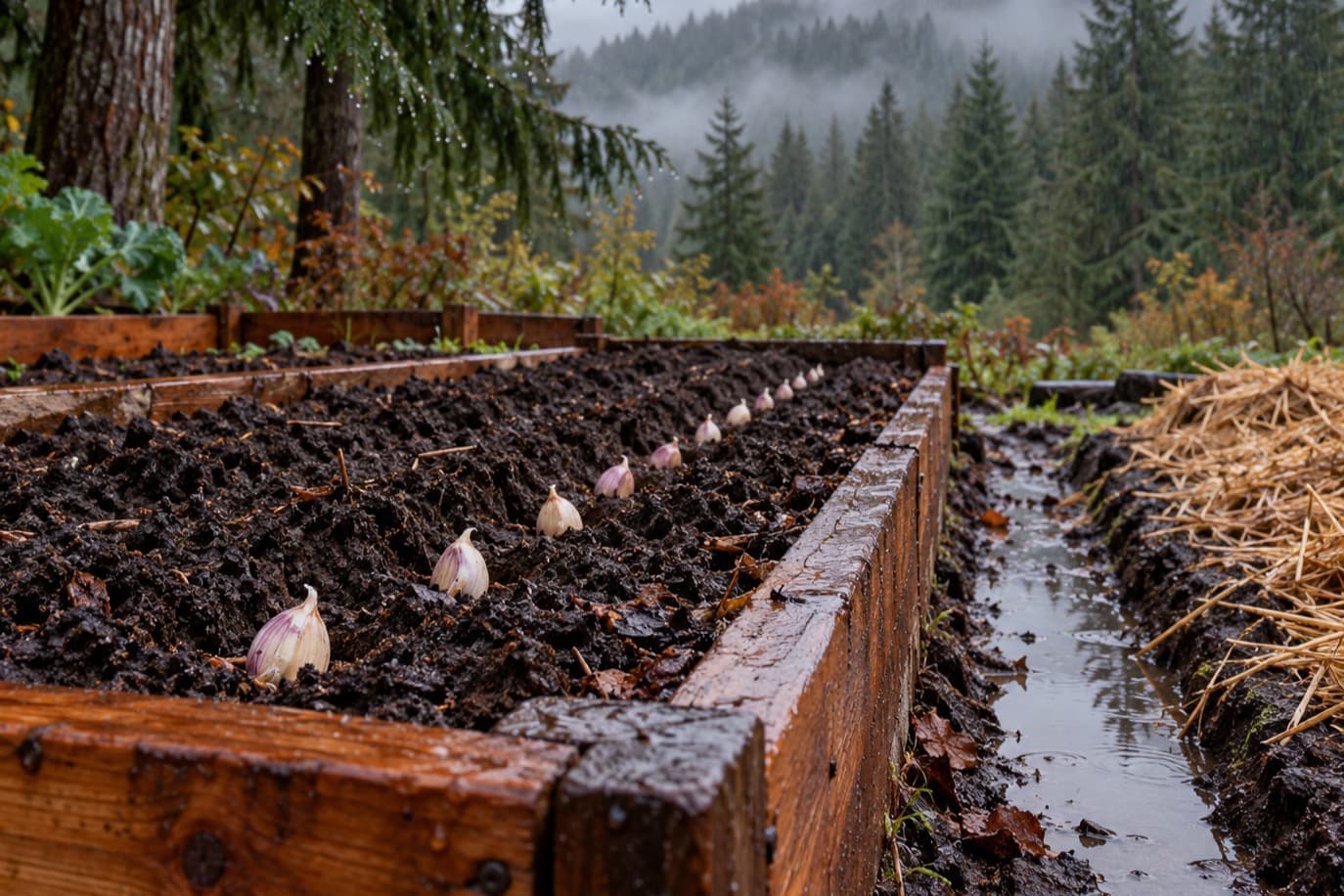
OSU's home-garden guidance plants anytime from September through November, and its crop page calls early fall the best of that span. Cloves go one to three inches deep, with the tops about two inches under the surface.
Oregon State University Extension Service, Garlic for the Home Garden (FS 138), and Oregon State University, Garlic (Oregon Vegetables).
November to February
Roots first, then a little leaf
The root system develops through fall and winter and can reach more than three feet in a drained Willamette Valley soil. A little top growth is expected; the large spring tops are what size the bulb.
Oregon State University Extension Service, Garlic for the Home Garden (FS 138).
February to May
The cold is collected
Six to eight weeks at mean temperatures below 40°F is the working figure for California Early and California Late, the softnecks most Oregon gardens grow. The range may be shorter for some strains, and the crop page is explicit that this is a requirement rather than a planting date.
Oregon State University, Garlic (Oregon Vegetables), climatic requirements.
June to August
Heat and water decide whether it holds
Bulbing starts as the days lengthen, and this is the stretch where the cold can be undone. Plants growing quickly in moist soil are less likely to lose it. OSU harvests in late August.
Oregon State University, Garlic (Oregon Vegetables), and FS 138 for the August harvest.
The cold can be lost
Water stress in hot weather undoes vernalization
85°F
Vernalization is reversible in garlic. OSU's crop page says cloves that have had enough cold can revert when they meet water stress and temperatures above 85°F, and the bulb then fails to form normally.
OSU also gives the practical reading. The longer the cold treatment, the harder the plant is to devernalize, and plants growing fast in moist soil are less susceptible. Watering is not only about bulb size here. It is what protects the cold the clove already collected.
That is a different failure from a late planting. A late clove never collected enough cold; a devernalized one collected it and lost it in June.
Oregon State University, Garlic (Oregon Vegetables), climatic requirements.
Before planting
How to hold the seed garlic
Hold seed garlic near 50°F rather than in a refrigerator. OSU says cloves sprout fastest between 40 and 50°F, so that range should be avoided for stored seed, and bulbs held below 40°F can produce rough bulbs, side shoots and early maturity.
The planting-stock publication adds the disease reason for clean stock: white rot, basal rot and stem and bulb nematode can all travel on the bulb you plant, and some of them leave the ground unusable for alliums afterwards.
Oregon State University, Garlic (Oregon Vegetables), planting and storage; Garlic for Production of Planting Stock.
The bed
Drainage for a wet winter, water for a dry June
Willamette Valley soils suit garlic when they drain. FS 138 prefers a clay loam to a sandy soil provided surface drainage is good, and raises beds six to eight inches above the garden level for the wet months. In heavier soil the Extension news piece uses beds two to three feet wide and 10 to 12 inches tall.
Watering is where the two OSU home-garden pieces differ. FS 138 stops irrigation when the first plants begin to mature, while the Extension news piece tapers off in mid-June. Both are describing a crop that has finished sizing, and the earlier of the two is the safer one in a wet spring.
- Plant two inches deep and two to four inches apart, in rows 10 to 14 inches apart; elephant garlic about six inches apart.
- A 10-foot row yields about five pounds of bulbs.
- Water to a depth of two feet every eight to ten days if May and June are dry.
- Garlic cannot compete with weeds, and the roots sit near the surface, so cultivate shallow or not at all.
Questions about garlic in Oregon
The fall window, the cold requirement, the heat that cancels it and seed storage.
When do you plant garlic in Oregon?
From September into early October, and OSU's home-garden guidance allows the whole span from September through November. Early fall gives the clove the longest root run before winter.
Why does garlic need cold weather?
Six to eight weeks at mean temperatures below 40°F is what lets a clove divide into a bulb. OSU gives that figure for the California softneck strains most Oregon gardens grow, and notes that some strains need less.
Why did my garlic fail to form bulbs in Oregon?
Two causes are worth checking first. A late planting never collected enough cold, and a dry June with temperatures above 85°F can undo the cold the plant had. OSU says plants growing in moist soil are less likely to lose it.
How should I store garlic for planting?
Near 50°F, not in the refrigerator. OSU says cloves sprout fastest between 40 and 50°F and that storage below 40°F can produce rough bulbs and side shoots.
Does garlic need a raised bed in Oregon?
It needs drainage more than it needs height. FS 138 raises beds six to eight inches above garden level for the wet months, and the Extension news piece uses beds 10 to 12 inches tall in heavier soil.
When is garlic ready to harvest in Oregon?
Late August for a fall planting, when the tops dry or fall over. OSU also suggests checking a bulb before the leaves are completely dead, because some bulbs are ready while the leaves are still green.
OSU's crop page, home-garden publication and Extension news piece behind the season.
Other garlic growing guides
Compare the Washington drainage test or the Montana snow-cover advice.
Guide
When to Plant Garlic
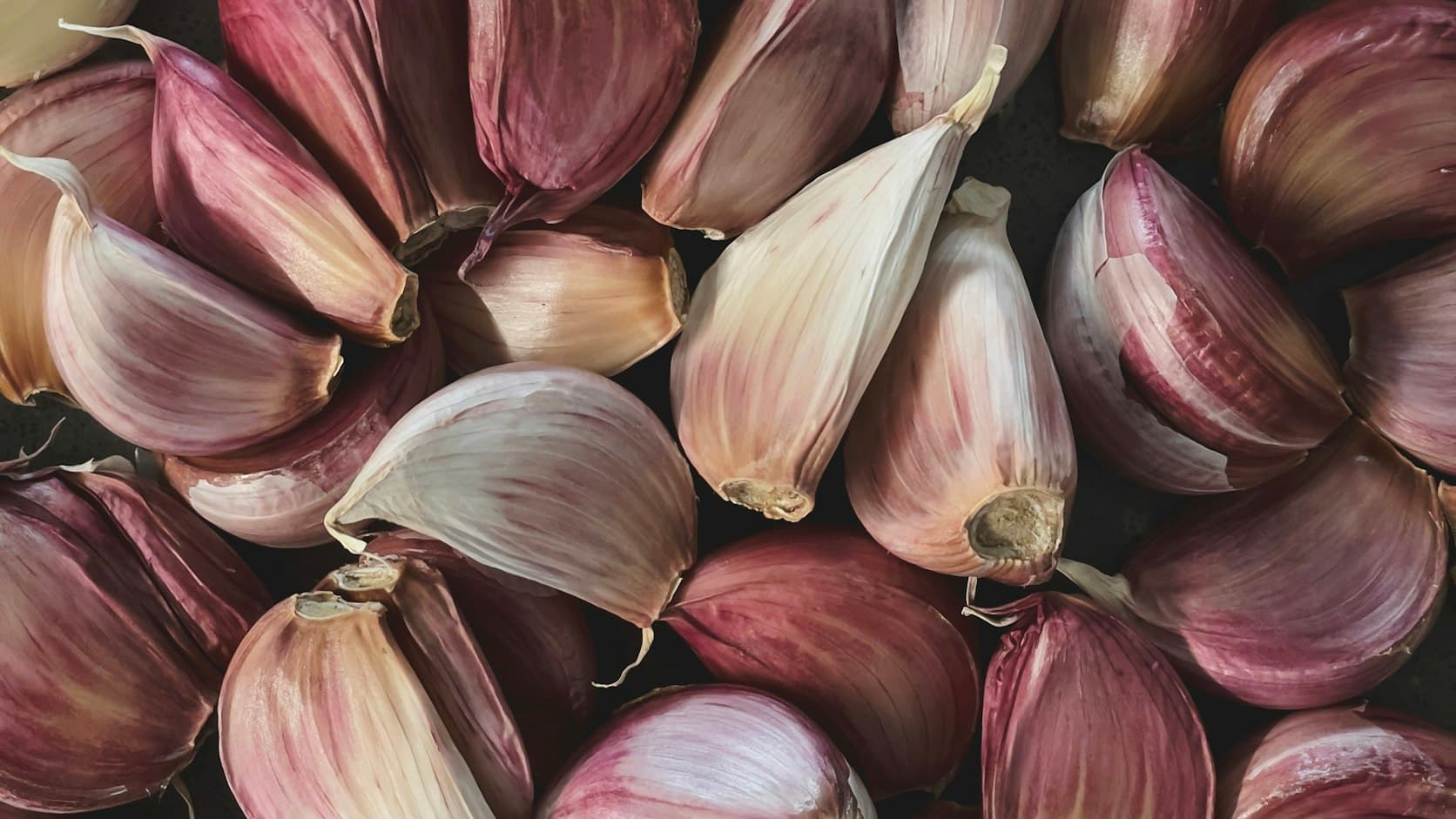
Plant garlic in the fall once soil has cooled to about 50°F, commonly one to three weeks after the first killing frost and four to six weeks before the ground freezes.
Topic
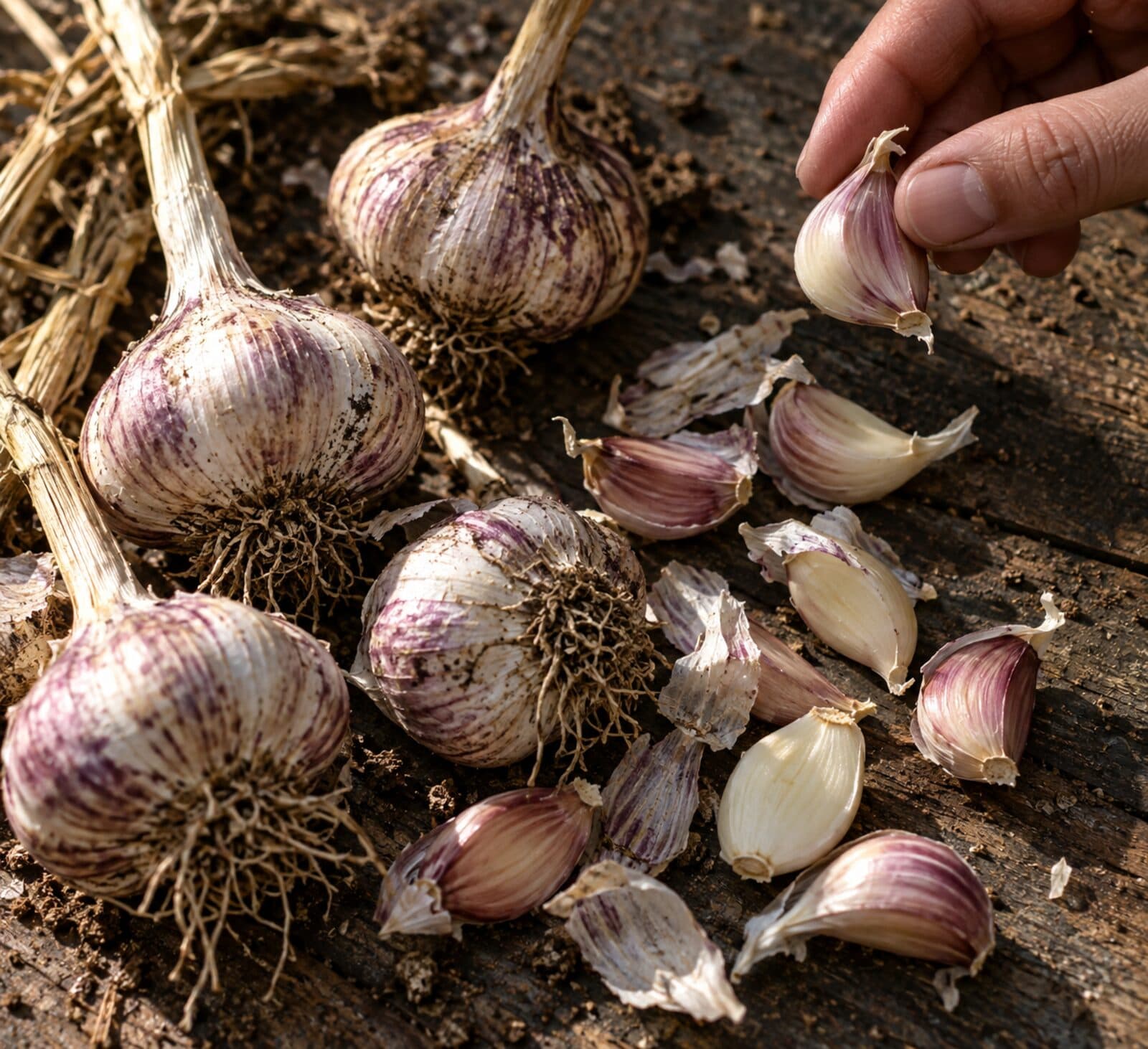
Garlic Growing Guides
How to plant and grow garlic at home, and the state and regional windows that decide when your cloves go in.
Guide
When to plant garlic in Washington
Planting windows for both sides of the Cascades, and the drainage test a wet Washington bed has to pass first.
Guide
When to Plant Garlic in Montana
Montana garlic planting dates, the ten-week gap the state's own offset is measured across, and the winters that decide whether cloves need mulch.