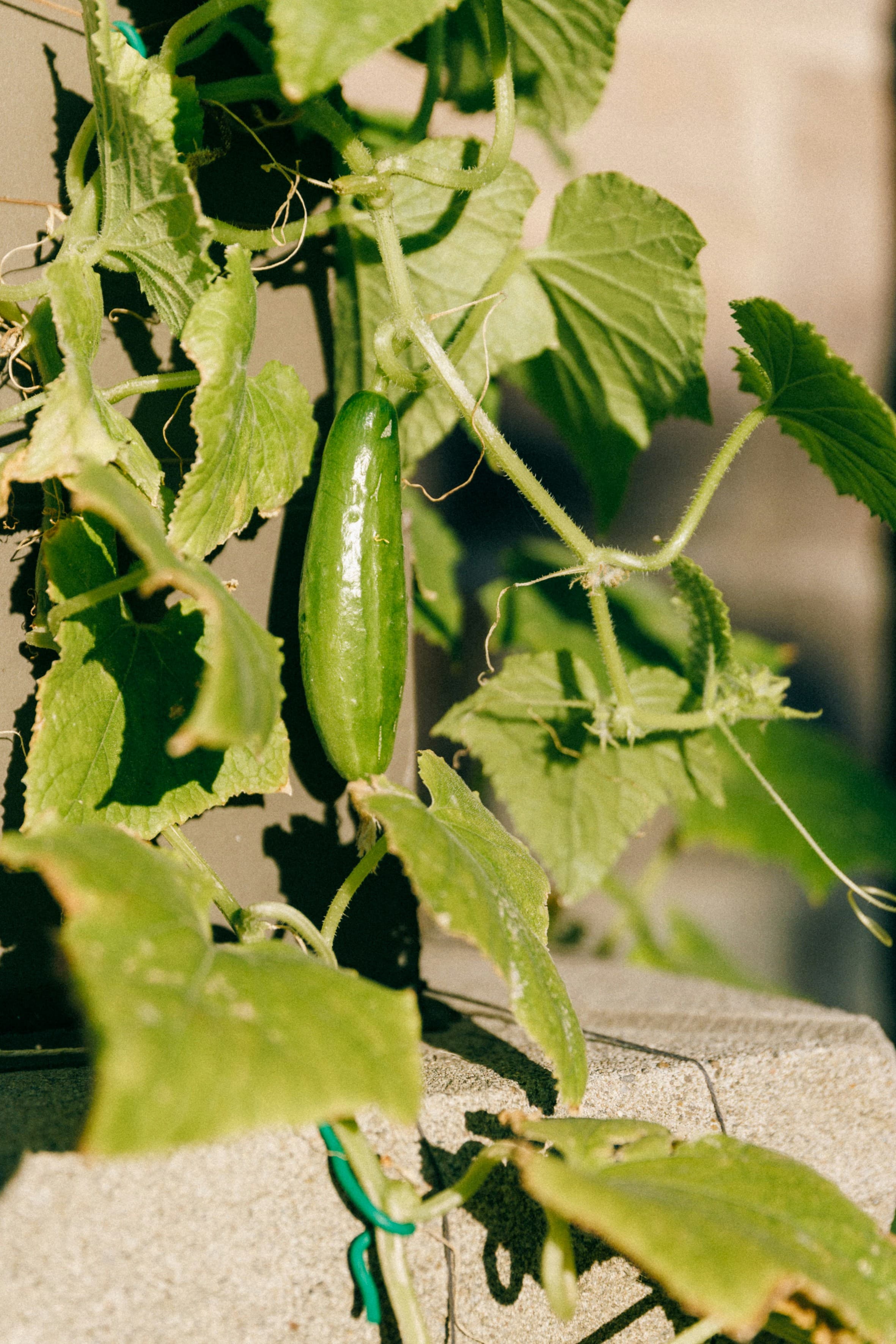
Los pepinos solo deben salir después de que pase el peligro de heladas y el suelo haya empezado a calentarse de verdad.
Sembrar directo suele ser más fácil que trasplantar, porque los pepinos no toleran que les muevan las raíces.
Si inicias pepinos dentro de casa, mantén los trasplantes jóvenes y trata las raíces con cuidado.
Una siembra cálida un poco más tardía suele superar a una temprana y fría que se queda estancada semanas.
Respuesta rápida: cuándo los pepinos están listos para plantarse
Los pepinos están listos para plantar cuando el peligro de heladas ha pasado, el suelo se ha calentado y el pronóstico se ve lo bastante estable como para que la cama siga avanzando en vez de volver a enfriarse. Son plantas de temporada cálida y no premian la impaciencia.
Si el suelo sigue frío, si las noches aún bajan mucho o si justo después del plantado viene un patrón de lluvia fría, los pepinos suelen quedarse quietos en lugar de arrancar. La fecha correcta es la primera ventana cálida creíble, no la más temprana posible.
- Espera a que pase el peligro de heladas antes de sembrar directo o trasplantar.
- Deja que el suelo cálido y un pronóstico estable tomen la decisión final.
- No tomes una tarde calurosa como prueba de que la temporada de pepinos ya abrió.
La siembra directa suele ser la opción más limpia
Los pepinos son uno de los cultivos más fáciles de sembrar directo cuando la temporada ya está lista. Ese camino evita el shock de trasplante y deja que la planta se establezca donde va a terminar. En muchos huertos caseros, sembrar directo es más simple que criar arranques de pepino en interior solo para sacarlos demasiado pronto.
Eso no significa que los trasplantes siempre estén mal. Significa que la opción de interior debe ser corta y con propósito. Los pepinos no suelen beneficiarse de pasar un tramo largo en maceta como sí lo hacen los tomates o los pimientos.
- Si la cama está lo bastante cálida, la siembra directa simplifica el calendario del pepino.
- Reserva los inicios de interior para adelantos cortos, no para estancias largas en invernadero.
- Elige el método que proteja las raíces de movimientos innecesarios.
El calor del suelo importa tanto como el calendario
Los pepinos pertenecen a la misma conversación de temporada cálida que las judías, las calabazas y los melones. Aunque el riesgo de heladas ya haya pasado, un suelo frío todavía puede frenar la germinación, debilitar las plántulas y convertir una siembra temprana en un largo trabajo de recuperación.
Por eso es fácil leer mal el momento del pepino: se mira la fecha en lugar de la cama. Si el suelo aún se siente frío por debajo, si la lluvia intensa lo ha dejado pegajoso o si las noches siguen inestables, los pepinos te van a decir que la temporada todavía no está lista.
- Juzga la preparación del pepino por el estado del suelo, no solo por las fechas de heladas.
- La tierra fría y mojada es una de las razones principales de las decepciones con siembras tempranas.
- Los cultivos de temporada cálida quieren una tendencia al calentamiento, no solo un pronóstico sin heladas.
Si inicias pepinos dentro de casa, mantén la antelación corta
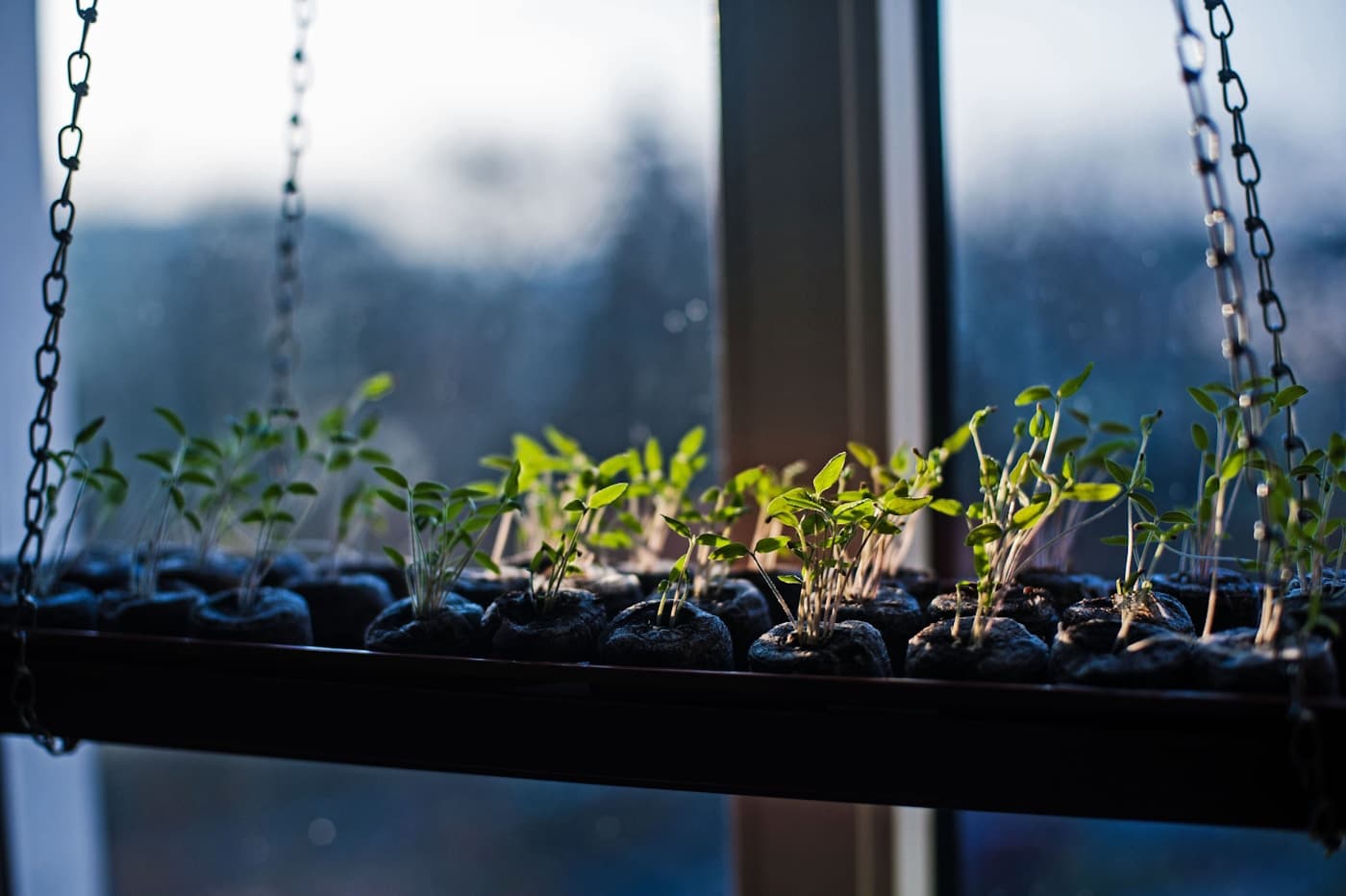
Los inicios de pepino en interior deben quedarse jóvenes. Una antelación corta, de unas 2 a 3 semanas, suele bastar si quieres un pequeño adelanto sin criar un trasplante que se resienta al moverse. Los arranques de pepino demasiado crecidos suelen pagarte con shock de trasplante en lugar de adelanto real.
Cuando los muevas, trata las raíces con cuidado. A los pepinos no les gusta el trasplante brusco, los cepellones rotos ni un aterrizaje frío con viento. La meta es pasar una planta joven y sana a una cama ya lista, no forzar un cultivo de interior en una temporada todavía marginal.
- Mantén los trasplantes de pepino jóvenes en lugar de sobredimensionados.
- Endurécelos con cuidado antes del traslado al exterior.
- Altera el sistema de raíces lo menos posible en el momento de plantar.
Finales de primavera y verano pueden abrir otra ventana para el pepino
Los pepinos no siempre son un cultivo de primavera de un solo tiro. En muchos huertos, una siembra más tardía puede ser inteligente porque cae en suelo más cálido y llega a producción sin el arranque lento de una siembra fría temprana. Eso puede ser muy útil si la primera siembra batalló o si quieres una segunda tanda de cosecha.
El momento exacto depende de la longitud de tu temporada, pero el principio es simple: los cultivos de temporada cálida suelen rendir mejor cuando te apoyas en el calor real en lugar de intentar exprimir cada día posible del calendario.
- Una siembra más tardía puede ser más limpia y rápida que una temprana y fría.
- Usa siembras escalonadas si tu temporada es lo bastante larga para sostenerlas.
- Juzga la siguiente tanda de pepinos por el calor que queda, no por costumbre.
Macetas y tutores ayudan, pero no borran el clima frío
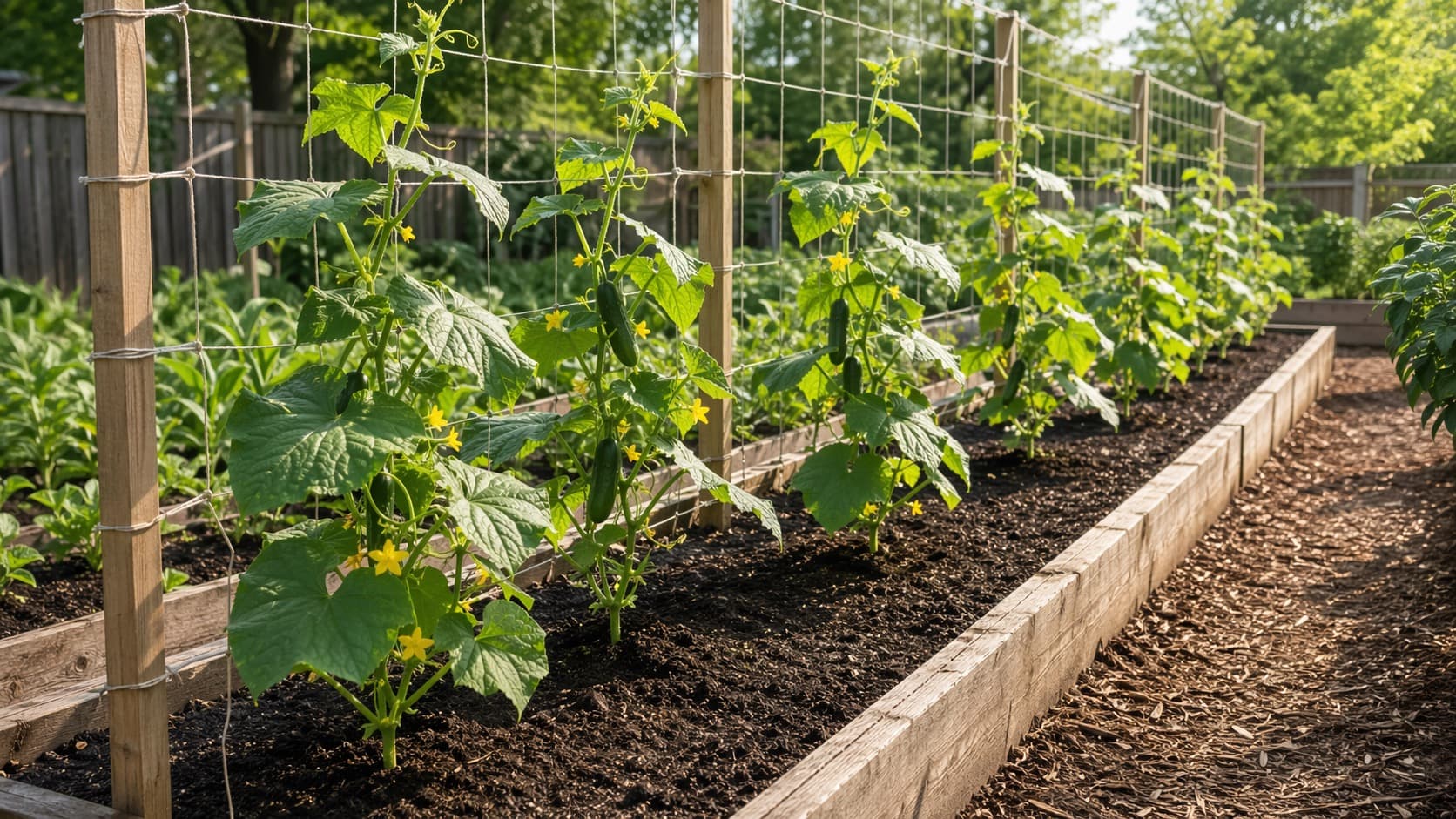
Tutorar y usar macetas puede hacer los pepinos más fáciles de manejar. Mejoran la circulación de aire, mantienen el fruto fuera del suelo y pueden hacer más productivos los huertos pequeños. Las macetas y los sitios resguardados también pueden calentarse algo más rápido que el suelo pesado a nivel.
Aun así, esas ventajas no borran las noches frías ni un patrón fresco. Un pepino en maceta plantado demasiado pronto puede estancarse igual, y un pepino tutorado en suelo frío sigue siendo un pepino en suelo frío. Usa estas herramientas para mejorar un cultivo de temporada cálida, no para justificar una apuesta temprana.
- El tutorado mejora el manejo y muchas veces la calidad del fruto.
- Las macetas dan flexibilidad, pero no inmunidad al estrés por frío.
- Usa los sistemas de soporte para mejorar el pepino cuando el momento ya es el correcto.
El suelo cálido le gana a una fecha temprana todas las veces
Si tienes que elegir entre una siembra cálida un poco tardía y una temprana y fría, los pepinos casi siempre premian la opción más cálida. Avanzan rápido cuando las condiciones se lo merecen.
- No persigas la fecha de siembra más temprana posible.
- Mantén cortos los inicios de interior si necesitas un adelanto.
- Usa el pronóstico para proteger los pepinos de retrocesos por frío evitables.
La orientación de aquí se basa en las referencias que aparecen a continuación.
Respuestas rápidas antes de volver al jardín
Estas son las preguntas que suelen surgir cuando la guía se convierte en trabajo real de jardín.
¿Inicio los pepinos dentro de casa o los siembro directo?
La siembra directa suele ser la opción más simple y segura cuando el suelo ya está lo bastante cálido. Si los inicias dentro de casa, mantén la antelación corta y evita mover las raíces con brusquedad.
¿Puedo plantar pepinos justo después de la última helada?
Solo si el suelo se ha calentado y la siguiente racha de clima se ve estable. Que la fecha de heladas haya pasado no siempre significa que las condiciones para el pepino ya sean buenas.
¿Por qué se estancaron mis plántulas de pepino después de plantarlas?
Suelo frío, raíces alteradas con brusquedad, exposición al viento o un pronóstico que se enfrió justo después de plantar son causas habituales. Los pepinos suelen estancarse por mal momento mucho antes que por falta de fertilizante.
¿Se pueden plantar pepinos otra vez más tarde en verano?
Muchas veces sí, si tu temporada es lo bastante larga. Una siembra más tardía puede rendir mejor que una temprana y fría porque cae en suelo más cálido y con clima más estable.