A dual-chamber tumbling composter is the easiest path to finished compost for most beginners.
Size the bin to your actual waste output — an oversized bin that never fills composts slowly.
Consistent carbon-to-nitrogen balance matters more than the bin itself.
Why compost matters for home vegetable growers
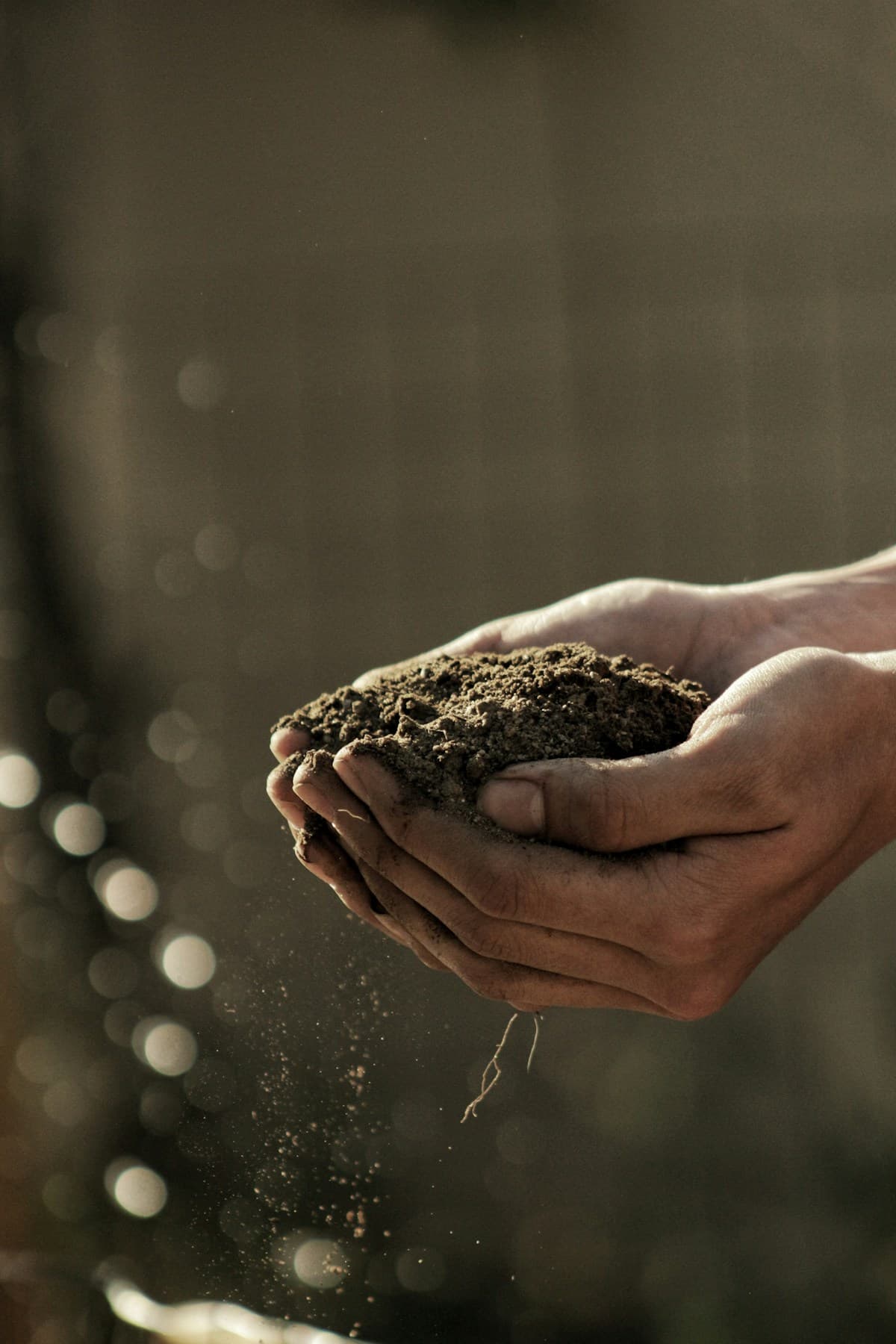
Compost is the single best soil amendment for raised beds. It improves drainage in heavy soil, adds moisture retention to sandy soil, feeds the microbial life that makes nutrients available to roots, and adds organic matter that breaks down slowly over the season. Buying bagged compost works, but making your own from kitchen and garden waste is free and reduces what goes to the landfill.
The barrier for most beginners is not knowledge — it is having a system that fits their space, their waste volume, and their willingness to manage it. The right bin removes that barrier.
- Homemade compost improves soil, reduces waste, and saves money on amendments.
- A well-matched bin makes composting a habit instead of a project.
- Even a small household produces enough organic waste to feed a compost bin year-round.
Tumbler versus stationary bin versus open pile
Tumbling composters are the most beginner-friendly option. You load waste, spin the drum every few days, and harvest finished compost from the bottom or second chamber. They keep pests out, contain smells, and speed up decomposition because turning is easy.
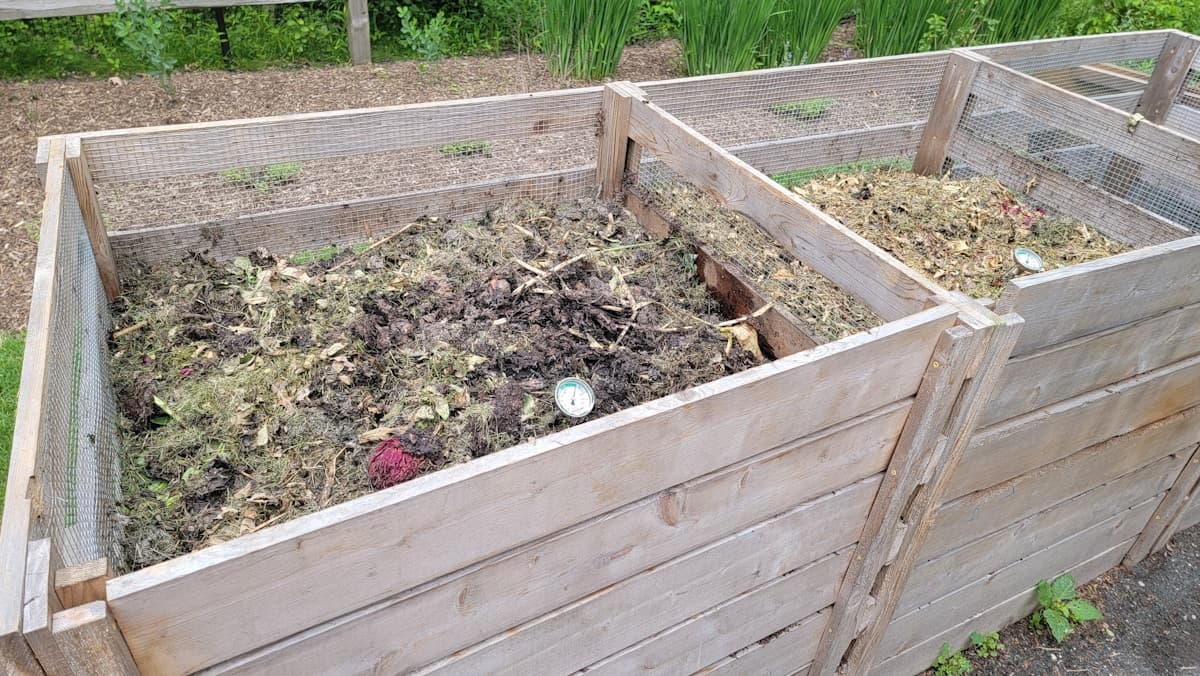
Stationary enclosed bins sit on the ground and compost more slowly, but they hold more volume and are simpler in design. Open piles are free and effective but attract pests, look messy, and require a pitchfork and motivation to turn regularly. For most beginners in suburban yards, a tumbler is the lowest-friction entry point.
- Tumblers are easiest to turn and best at keeping pests out.
- Stationary bins are simpler and hold more but compost slower.
- Open piles work but require more effort and space — not ideal for small yards.
Sizing your bin to your actual waste
A common mistake is buying the biggest composter available and then never filling it. A half-empty tumbler composts slowly because there is not enough material to generate heat. For a household of two to four people with a small to medium vegetable garden, a 37- to 50-gallon tumbler is usually the right size.
If you generate large volumes of garden waste — fall leaves, spent plants, grass clippings — a second stationary bin or open pile for those bulky browns makes more sense than trying to fit everything into one tumbler.
- Match bin size to your actual weekly waste output.
- 37–50 gallons suits most households with a small vegetable garden.
- Use a second bin or pile for bulk garden waste if needed.
What makes compost work regardless of the bin
Every composting system needs the same inputs: roughly equal volumes of carbon-rich browns and nitrogen-rich greens, moisture equivalent to a wrung-out sponge, and oxygen from turning or ventilation. The bin just makes managing those inputs easier.
Browns include dried leaves, cardboard, straw, and wood chips. Greens include kitchen scraps, fresh grass clippings, and garden trimmings. Meat, dairy, and oily food should stay out of home compost bins because they attract pests and slow decomposition.
- Balance browns and greens roughly 1:1 by volume.
- Keep contents as moist as a wrung-out sponge.
- Turn or tumble every few days to maintain airflow.
How to choose your first bin without overthinking it
For most beginners, start with a dual-chamber tumbling composter in the 37- to 50-gallon range. Load one side while the other finishes. Spin it every few days. In warm weather you can have usable compost in 4–8 weeks.
If you want to compost kitchen scraps but do not have outdoor space, a countertop collection bin paired with a community composting program or a small worm bin is a good alternative. But for feeding a home vegetable garden, an outdoor tumbler produces the most useful output with the least effort.
- A dual-chamber tumbler is the best starting point for most beginners.
- Expect usable compost in 4–8 weeks during warm months.
- A countertop bin helps collect scraps but is not a composting system by itself.
Products worth considering
As an Amazon Associate I earn from qualifying purchases.
These products fit the needs covered above. If you buy through a link, GrowerBuddy may earn a commission at no extra cost to you.
The price tier is a rough guide to where this product usually sits in its category, not a live price. Check Amazon for the current price and availability.

FCMP Outdoor IM4000 Dual Chamber Tumbler
Compact dual-chamber design made from 100% recycled plastic — load one side while the other finishes.
View on Amazon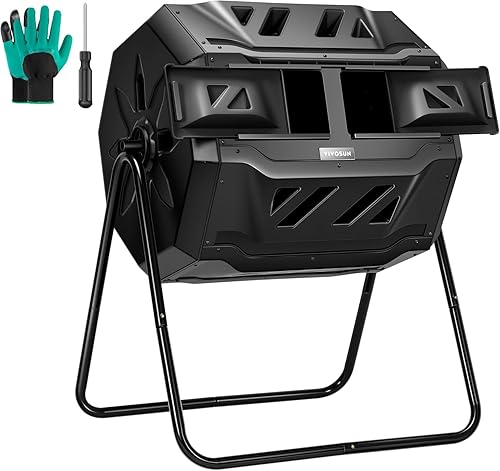
VIVOSUN Dual Chamber Tumbling Composter
Large 43-gallon capacity with deep fins for mixing — handles higher waste volumes from larger gardens.
View on Amazon
Utopia Kitchen Stainless Steel Compost Bin
Countertop collection bin with charcoal filter that holds scraps neatly until you transfer them to your outdoor composter.
View on AmazonThe best bin is the one you actually use
This guide ranks compost bins for beginners by ease of use, pest resistance, batch speed, and practical fit for a home vegetable garden. Complicated multi-bay systems and industrial-scale designs are excluded.
- Rank by ease of loading, turning, and harvesting.
- Prioritize enclosed designs that keep pests and smells contained.
- Measure the space you can genuinely give a bin, since capacity decides how often you turn it.
These references inform the selection criteria, safety notes, and growing context in this guide.
Quick answers before you buy or upgrade anything
These are the questions that usually come up when growers translate general advice into one buying decision.
How long does it take to make compost in a tumbler?
In warm weather with a good mix of greens and browns, a tumbling composter can produce finished compost in 4–8 weeks. In cold weather, decomposition slows and may take 3–4 months.
Can I compost in winter?
You can keep adding materials in winter, but decomposition slows dramatically below 40°F. The bin acts as storage until spring warmth reactivates microbial activity.
Do compost tumblers smell?
A properly balanced tumbler should not smell bad. If it smells like ammonia, add more browns. If it smells rotten, it is too wet or needs more turning for airflow.
Can I put weeds in my compost bin?
Annual weeds that have not gone to seed are fine. Avoid perennial weeds with runners or rhizomes, and avoid any weeds that have already set seed, because most home compost bins do not reach temperatures high enough to kill seeds reliably.