A common lettuce baseline is 2 to 4 weeks before last frost in spring and about 6 to 8 weeks before first frost in fall.
Small sowings every 1 to 2 weeks usually beat one large planting.
Heat and day length matter as much as date when you decide whether the next lettuce round still makes sense.
The short answer: plant lettuce in the cool parts of spring and fall
For most gardens, lettuce can be direct sown or transplanted about 2 to 4 weeks before the average last spring frost, then planted again every 1 to 2 weeks while the weather stays cool. That gives you a rough baseline for spring before local weather fine-tunes it.
For fall, a good starting point is about 6 to 8 weeks before the average first frost. Lettuce grows best when temperatures stay moderate, so both spring and fall usually give cleaner results than trying to force a midsummer crop.
- Use 2 to 4 weeks before last frost as the usual spring anchor.
- Repeat small sowings every 1 to 2 weeks instead of planting everything at once.
- Use about 6 to 8 weeks before first frost as the usual fall anchor.
Direct sowing, transplants, and succession each change the plan
Lettuce is flexible enough that you can direct sow for simple repeats or use transplants to get a jump on the season. The more important decision is usually cadence: a few smaller plantings spaced over time often outperform one big flush that all matures together.
This matters because lettuce is not just a planting date crop. It is a harvest rhythm crop. Timing works best when you think about when you want to eat it, not only when you want to sow it.
- Use succession planting to spread out harvest and reduce waste.
- Transplants help when you want an earlier or more controlled first round.
- Direct sowing works well for repeat lettuce plantings in ready beds.
How to judge whether the next lettuce window is still good
A good lettuce window usually feels cool enough that the crop can establish quickly without rushing into stress. If warm weather is arriving fast, some varieties can still work with shade or faster harvest plans, but the margin for error narrows. The crop may still grow, but it stops acting like ideal lettuce.
This is also why fall lettuce often feels easier again. Soil is warm enough for good establishment, but the overall season is moving back toward conditions the crop likes.
- Judge the next round by the weather ahead, not only by the date on the packet.
- As heat rises, lettuce timing becomes more variety- and management-sensitive.
- Fall often reopens a very good lettuce window in home gardens.
The layout side of lettuce timing
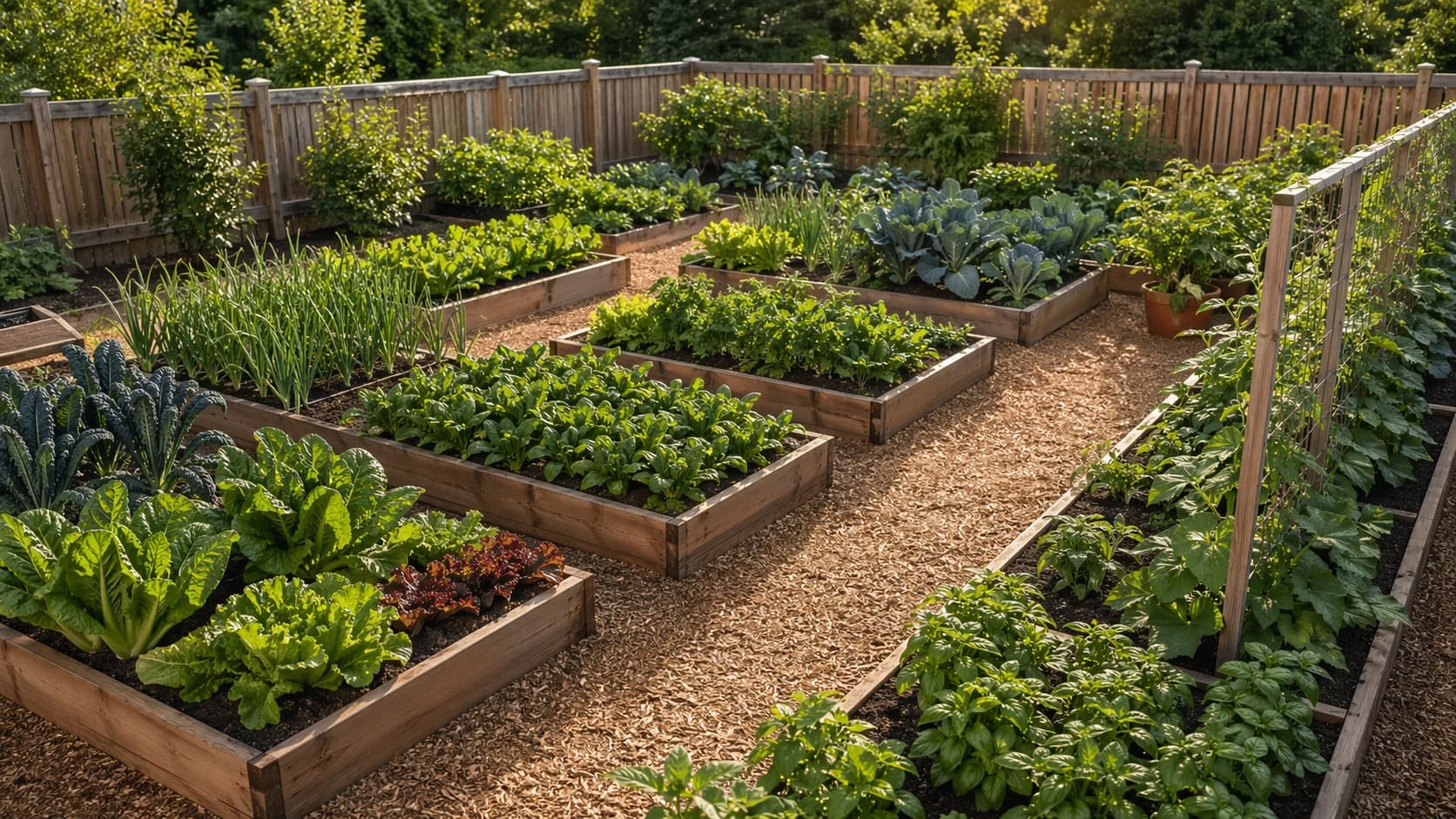
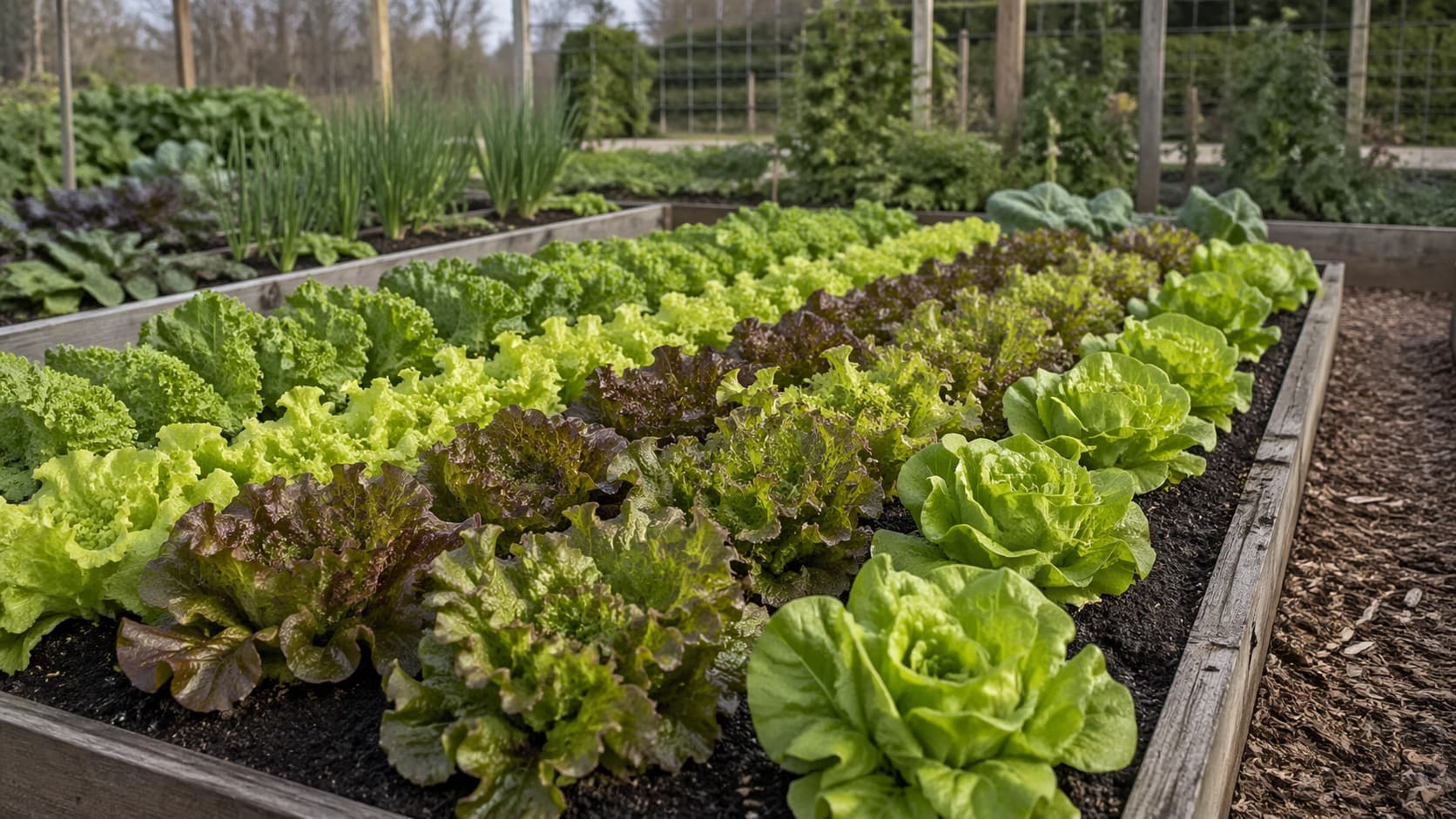
Lettuce is a great layout crop because it can fill quick spring space, edge beds, or occupy sections that will later turn over to other vegetables. That makes timing and layout inseparable. A lettuce bed is often not just a lettuce bed; it is also a placeholder for what comes after.
This is one reason lettuce works so well in beginner gardens. It teaches succession, spacing, and seasonal turnover without asking for complex support systems or deep summer commitment.
- Use lettuce in parts of the layout that are meant to turn over later.
- Let the crop teach succession planting and bed resets early.
- Lettuce rewards clear seasonal planning more than permanent space claims.
Plant lettuce for cool weather, not rising heat
Lettuce grows best in cool, steady windows and gets harder to grow well once heat takes over. Smaller, better-timed sowings usually beat one oversized planting.
- Use spring and fall as the default lettuce seasons.
- Rely on succession sowing instead of one oversized crop.
- Let layout and season turnover shape where lettuce goes first.
The guidance here draws on the references listed below.
Quick answers before you head back outside
These are the questions that usually come up once the guide turns into real garden work.
Can I plant lettuce in summer?
Sometimes, but it gets harder as heat and day length rise. Shade, faster harvest, and heat-tolerant types can help, but spring and fall are usually the cleaner lettuce windows.
How often should I plant lettuce for continuous harvest?
A good general rhythm is every 1 to 2 weeks while the weather stays cool. Small succession sowings usually work better than one large planting because they spread harvest and reduce waste.
Does lettuce need full sun?
It often likes full sun in cool weather, but partial shade can help once temperatures rise. The right light depends partly on which part of the season the crop is entering.
Why did my lettuce turn bitter so fast?
Bitterness usually rises when heat and bolting pressure increase. That often points to timing and weather mismatch more than to fertilizer or watering alone.
Products to consider
As an Amazon Associate I earn from qualifying purchases.
These products support the garden jobs covered above. If you buy through a link, GrowerBuddy may earn a commission at no extra cost to you.
The price tier is a rough guide to where this product usually sits in its category, not a live price. Check Amazon for the current price and availability.